What Are the Three Types of Storage Tanks?
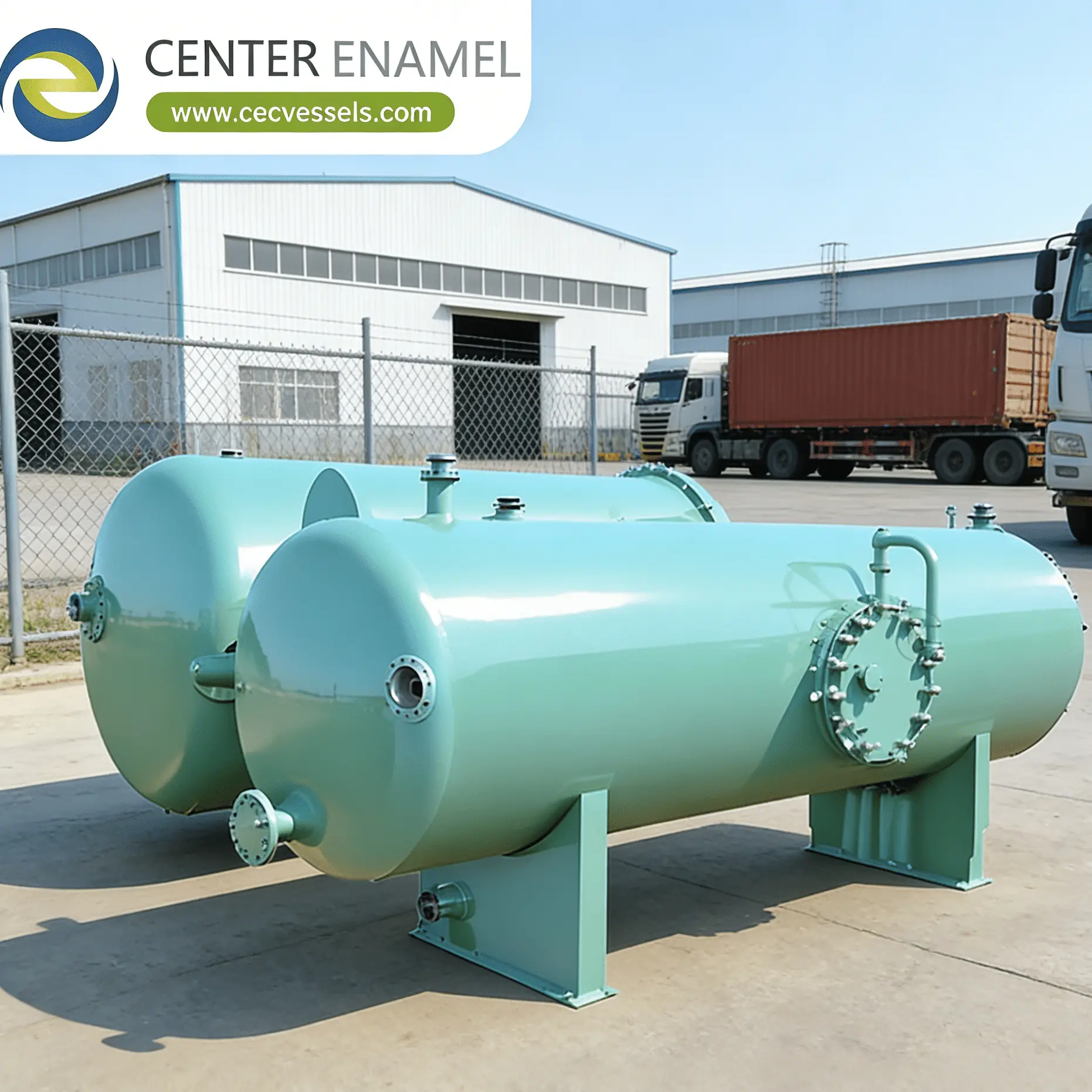
Storage tanks are essential equipment for storing water, fuel, chemicals, wastewater, and other materials. They are available in different structures, materials, sizes, and configurations to meet the requirements of different industries. Understanding the main types of storage tankshelps engineers and facility operators select a suitable storage vesselfor a specific application. There is no single classification system for every tank. Storage tanks can be classified according to their installation location, operating conditions, shape, construction material, roof design, and intended contents. Among the most commonly discussed categories are atmospheric tanks, pressure tanks, and vacuum tanks. Storage tanks can also be divided into aboveground and underground tanks, as well as vertical and horizontal configurations. What Is an Atmospheric Storage Tank? An atmospheric storage tank is designed primarily for storing liquids under conditions close to atmospheric pressure. It is one of the most widely used tank types in industrial and commercial facilities. Atmospheric tanks are commonly used for water, wastewater, chemicals, petroleum products, edible liquids, and other materials. Their design can include different roof configurations, bottoms, coatings, and accessories depending on the stored product and installation environment. Vertical cylindrical tanks are a common configuration for large-volume storage. Their vertical structure allows a large quantity of liquid to be stored while making efficient use of the available site area. Horizontal tanks can also be used when the site layout, capacity, or transportation requirements favor a lower-profile structure. For water applications, atmospheric tanks may be used for process water, fire water, irrigation water, wastewater, and other industrial water storage requirements. For petroleum applications, they can serve as bulk fuel storagesystems for gasoline, diesel, crude oil, and other petroleum products. What Is a Pressure Storage Tank? Pressure tanks are designed for applications where the stored medium operates above atmospheric pressure. They are commonly associated with gases and specialized industrial processes. A pressure tank can be used for storing gases or liquids under controlled pressure conditions. Typical applications include industrial gas storage, process systems, chemical processing, and certain energy-related operations. The design of this type of storage vesselrequires careful consideration of operating pressure, temperature, material selection, wall thickness, connections, and applicable design standards. Because the operating conditions differ from those of ordinary atmospheric storage, pressure tanks require specialized engineering and fabrication. It is also important to distinguish pressure tanks from conventional atmospheric storage tanks. A large tank does not automatically mean it is a pressure tank. The classification is primarily related to the intended operating conditions and design requirements. What Is a Vacuum Storage Tank? Vacuum tanks are designed for applications where the internal operating condition is below atmospheric pressure. They are used in specialized industrial processes where vacuum conditions are part of the process design. Vacuum storage can be found in certain chemical processing, waste handling, separation, and process equipment applications. The tank structure must be designed to maintain its shape and integrity under the specified operating conditions. The selection of a vacuum tank depends on factors such as the degree of vacuum, tank dimensions, material compatibility, temperature, stored medium, and process requirements. Proper engineering is particularly important because the tank must be able to withstand the external forces created by the pressure difference between the inside and outside of the vessel. How Are Storage Tanks Classified by Installation Location? Another common way to classify types of storage tanksis according to where they are installed. From this perspective, storage tanks can generally be divided into aboveground storage tanks and underground storage tanks. Aboveground storage tanks are installed on a foundation or supporting structure above ground level. They are widely used for water, fuel, chemicals, wastewater, and industrial liquids. One advantage of aboveground installation is accessibility. Operators can inspect the external surface, connections, roof, and accessories more easily. Maintenance, cleaning, coating work, and equipment replacement can also be planned around the visible tank structure. Underground storage tanks are installed below ground level. They can be useful when land availability is limited or when the storage system needs to be integrated into a particular site layout. Underground tanks are often used for petroleum products, fuel, wastewater, and other materials. Their design must consider soil conditions, groundwater conditions, external loads, access requirements, and long-term monitoring. Both installation methods have different design considerations, so the appropriate choice depends on the application and project requirements. What Are Vertical and Horizontal Storage Tanks? Storage tanks can also be classified according to their shape and orientation. The two common configurations are vertical tanks and horizontal tanks. Vertical storage tanks are widely used for large-volume liquid storage. Their cylindrical structure provides an efficient way to use the available footprint while providing substantial storage capacity. They are commonly found in water treatment plants, oil storage facilities, chemical plants, agricultural operations, and industrial facilities. Horizontal storage tanks have a lower overall height and can be suitable for locations where vertical clearance is limited. They are often used for fuel, water, chemicals, process liquids, and other industrial materials. The choice between vertical and horizontal construction depends on storage volume, site conditions, available space, foundation requirements, transportation considerations, and the characteristics of the stored material. What Materials Are Used for Storage Tanks? The material used to manufacture a storage tank should be selected according to the stored material, operating environment, required service life, temperature, and project specifications. Steel is one of the most widely used materials for industrial storage tanks. Carbon steel tanks are suitable for many water, oil, fuel, and industrial liquid applications. Stainless steel tanks can be selected when greater corrosion resistance, hygiene, or material compatibility is required. Glass-fused-to-steel tanks combine the structural strength of steel with a protective glass coating. These tanks are widely used for water, wastewater, industrial effluent, and other storage applications. Epoxy-coated steel tanks are another option for applications requiring a protective internal and external coating system. The coating can provide an additional barrier between the steel substrate and the stored material or surrounding environment. Other tank materials include concrete, fiberglass-reinforced plastic, and polyethylene. Each material has its own characteristics, making material selection an important part of tank design. What Are Fuel Storage Tanks Used For? A tank of fuelis designed specifically for storing petroleum-based fuels and related products. Fuel storage systems are widely used in transportation, energy, agriculture, manufacturing, commercial facilities, and industrial operations. Common stored products include diesel, gasoline, crude oil, aviation fuel, and other petroleum products. Fuel storage tanks can be installed aboveground or underground. They can also use different roof configurations depending on the tank size, stored product, and project requirements. Fixed-roof tanks are commonly used for many liquid storage applications. Floating-roof designs can be selected for certain petroleum products where controlling vapor space and evaporation is an important consideration. A complete fuel storagesystem may include the main tank, piping, pumps, level measurement equipment, vents, access platforms, ladders, and other accessories. The tank design should be matched with the physical and chemical properties of the fuel as well as the applicable industry requirements. What Are Gas Storage Tanks? Gas storage requires a different tank configuration from ordinary liquid storage because gases occupy much greater volume and may require controlled operating conditions. The term gas thank, often written as “gas tank,” can refer to equipment used to contain gaseous materials or fuel gases. Depending on the application, gas storage equipment may include dedicated gas holders, pressure vessels, or other specialized containment systems. Gas storage solutions are used in industries such as energy, chemical processing, biogas production, and manufacturing. For example, biogas systems commonly use gas holders to temporarily store biogas generated during anaerobic digestion. The stored gas can later be directed toward treatment, utilization, or energy-generation equipment. The appropriate design depends on gas composition, storage volume, operating conditions, temperature, site requirements, and downstream process equipment. What Are the Main Types of Storage Tanks by Application? Different industries require different all tank typesto meet their storage requirements. Some of the most common applications include water storage, wastewater storage, fuel storage, chemical storage, firewater storage, and agricultural storage. Water storage tanks are used for potable water, process water, irrigation, and firefighting reserves. Wastewater tanks provide temporary or long-term storage during treatment processes. Chemical storage tanks are selected according to the characteristics of the chemical being stored. Material compatibility, coating selection, tank configuration, and accessories are important considerations. Fuel tanks are designed for petroleum products and other fuels. Depending on the project, they can be vertical, horizontal, aboveground, or underground. In agriculture and livestock operations, storage tanks can be used for water, liquid fertilizer, wastewater, and biogas-related applications. This variety demonstrates why the term types of storage tankscovers a broad range of products rather than one standard tank design. How Do You Choose the Right Storage Vessel? Selecting a suitable storage vesselbegins with identifying the material that needs to be stored. Water, fuel, chemicals, wastewater, and gases have different physical and chemical characteristics, so the tank should be designed accordingly. The required storage capacity is another important consideration. Small process tanks may be manufactured in a workshop, while large industrial tanks may be assembled at the project site. Site conditions should also be evaluated. Available land, foundation conditions, climate, seismic requirements, wind conditions, transportation access, and installation space can all affect the tank configuration. The tank material and coating should then be selected according to the stored medium and expected operating environment. Accessories such as mixers, level indicators, vents, manways, ladders, platforms, piping connections, and inspection openings may also be incorporated into the design. Applicable standards and project specifications should be reviewed during the engineering stage to ensure that the final tank meets the required design and quality requirements. Why Is Tank Design Important for Industrial Storage? Industrial storage tanks are long-term infrastructure, so their design should consider both current requirements and future operating needs. Tank capacity should provide sufficient storage while making effective use of the available site. The tank geometry should match the storage volume and installation conditions. Material selection should provide suitable compatibility with the stored medium. For large projects, modular and field-assembled tank solutions can provide flexibility in transportation and installation. Field-erected tanks are particularly useful when the required capacity or dimensions exceed the practical limits of shop-built tanks. They can be assembled directly at the project location and customized according to site conditions. (Kennedy Tank) For water, wastewater, fuel, and chemical storage projects, the tank should also be integrated with the surrounding piping, pumps, treatment equipment, and monitoring systems. How Do the Three Main Types of Storage Tanks Differ? The three broad categories of atmospheric, pressure, and vacuum tanks are primarily distinguished by their operating conditions. Atmospheric tanks are generally used for liquids stored under conditions close to atmospheric pressure. They are widely used for water, fuel, chemicals, and industrial liquids. Pressure tanks are designed for storage or processing conditions above atmospheric pressure. They are commonly associated with gases and specialized industrial processes. Vacuum tanks are designed for conditions below atmospheric pressure and are used in specialized applications involving vacuum operation. Beyond these three categories, storage tanks can be further classified by installation method, shape, material, roof design, capacity, and application. This is why engineers normally consider several factors rather than relying on only one classification. What Should You Consider Before Purchasing a Storage Tank? Before purchasing a storage tank, users should first define the stored material and required capacity. The project team should then determine whether the tank should be atmospheric, pressure-rated, or designed for vacuum service. The installation location is also important. Aboveground and underground tanks have different structural and maintenance requirements. The available footprint can influence whether a vertical or horizontal tank is more appropriate. Material selection should be based on compatibility with the stored product. For water applications, glass-fused-to-steel, stainless steel, epoxy-coated steel, concrete, and other materials may be considered depending on the project. For fuel storage, the tank configuration should be selected according to the fuel characteristics, capacity, location, and applicable requirements. Finally, the manufacturer should be evaluated based on engineering capabilities, fabrication experience, quality control, applicable standards, customization capabilities, and after-sales service. Understanding the Right Storage Tank for Your Application There are many types of storage tanks, and each type is designed for a particular combination of material, capacity, operating conditions, installation environment, and industrial application. Atmospheric, pressure, and vacuum tanks provide one useful way to understand tank classification, while aboveground, underground, vertical, horizontal, steel, stainless steel, glass-fused-to-steel, and other categories provide additional perspectives. For water, fuel, wastewater, chemicals, biogas, and other industrial materials, selecting the appropriate storage vesselstarts with clearly defining the project requirements. Capacity, material compatibility, tank configuration, site conditions, applicable standards, and future operating needs should all be considered during the design process. A well-designed storage system can provide reliable containment and efficient integration with the wider industrial process. By understanding the different types of storage tanksand their applications, project owners and engineers can develop storage solutions that match their operational requirements.
|