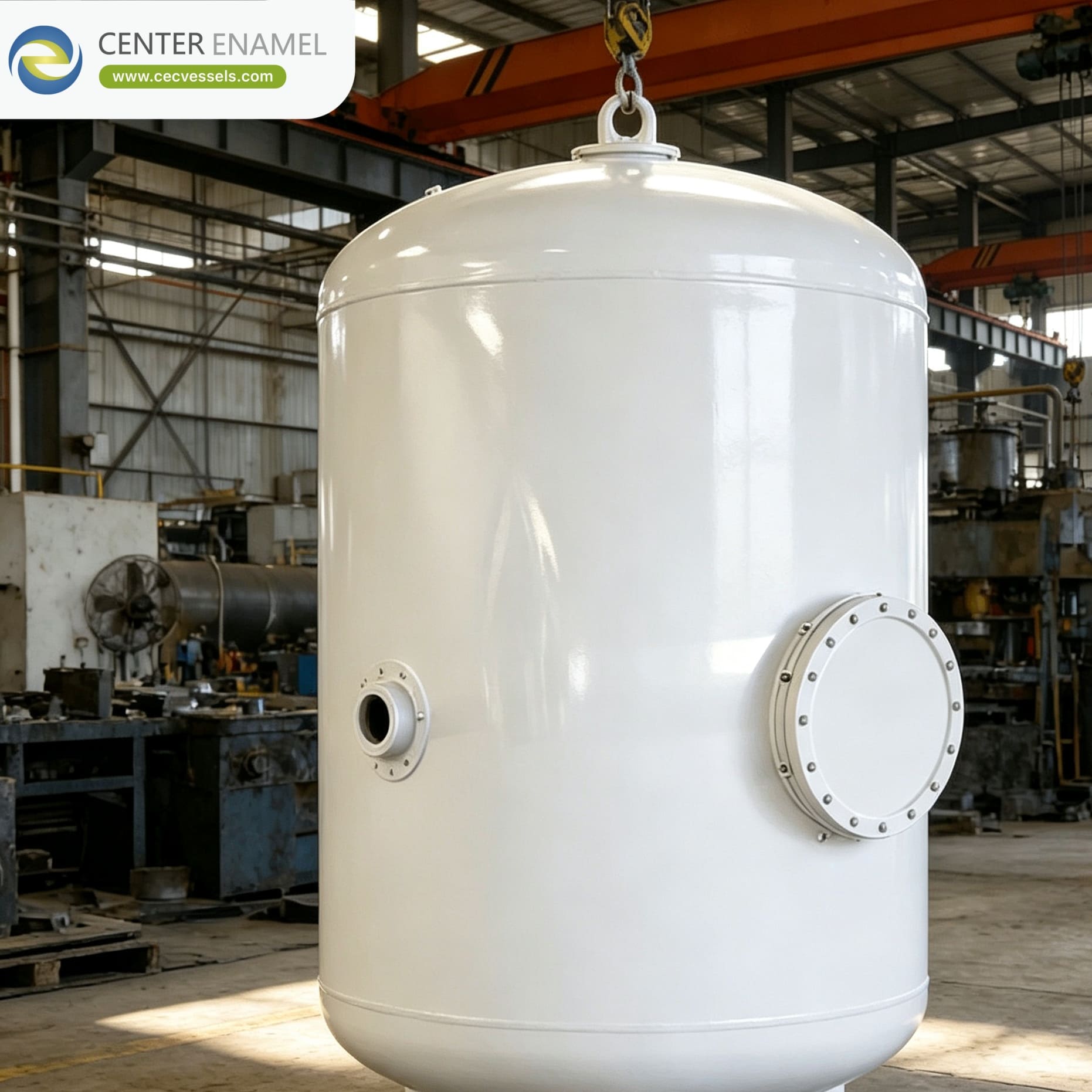
What Is a Fractionation Tower & Column and How Does It Work
A fractionation toweris an industrial separation vessel designed to separate liquid or vapor mixtures into different components according to their boiling points and volatility. It is commonly used in petroleum refining, natural gas processing, petrochemical production, and chemical manufacturing. A fractionation columnis another commonly used name for this equipment. Both terms generally describe a vertical vessel containing trays or packing materials that facilitate contact between rising vapor and descending liquid. The main purpose of a fractioning toweris to improve component separation and recover products with different compositions from a mixed feed stream. What Is the Meaning of Fractionator?The term fractionatorrefers to equipment or a processing unit that performs fractionation. It separates a mixture into two or more fractions based on differences in volatility and boiling characteristics. In industrial applications, a fractionator may refer to: lFractionation Tower:The main vertical vessel where separation takes place. lFractionation Column:Another name for the vessel containing trays or packing. lFractionation Unit:A complete processing system that includes the column and supporting equipment. lFractionation System:The integrated arrangement of heating, cooling, separation, and product collection equipment. For example, a petroleum refinery may use several fractionators to separate crude oil and further process hydrocarbon streams into different commercial products. How Does a Fractionation Tower Work?The working principle of a fractioning toweris based on repeated vapor-liquid contact and differences in component volatility. When a mixed feed enters the tower, heating generates vapor that moves upward through the internal structures. At the same time, liquid flows downward, creating repeated contact between the two phases. The typical operating process includes the following stages: 1. Feed Introduction The mixed feed enters the fractionation tower through a designated inlet. The feed location depends on its composition, temperature, and the intended separation process. 2. Heating and Vapor Generation A reboiler or heating system supplies thermal energy to the liquid at the bottom of the tower. Part of the liquid vaporizes and rises through the column. 3. Vapor-Liquid Contact Rising vapor passes through trays or packing while descending liquid moves in the opposite direction. During this contact, more volatile components preferentially enter the vapor phase, while less volatile components become concentrated in the liquid. 4. Separation Along the Tower The temperature and composition change along the column height. Lighter components generally become enriched toward the top, while heavier components concentrate toward the bottom. 5. Condensation and Reflux Overhead vapor enters a condenser and is converted into liquid. A portion of this liquid returns to the upper section as reflux, supporting further separation. 6. Product Collection The separated products are withdrawn through overhead, side, or bottom outlets according to the process design. This continuous separation process allows industrial fractionation units to produce multiple product streams from a single feed mixture. What Are the Main Types of Fractionation Tower Designs?Different column towersare designed for different feed materials, separation requirements, and production capacities. 1. Tray Fractionation ColumnA tray column contains multiple horizontal trays installed inside the vertical shell. Each tray provides a contacting stage where rising vapor interacts with liquid. Common tray designs include: lSieve Trays:Use perforated plates to allow vapor to pass through the liquid. lValve Trays:Use movable valves to regulate vapor flow through tray openings. lBubble-Cap Trays:Use caps to direct vapor into the liquid layer on each tray. Tray columns are widely used in petroleum refining and large-scale chemical separation. 2. Packed Fractionation ColumnA packed column uses structured or random packing instead of conventional trays. These materials provide a large surface area for vapor-liquid contact and mass transfer. Common packing options include metal structured packing, ceramic packing, and random packing elements. Packed columns are frequently considered for applications requiring continuous vapor-liquid contact and specific separation characteristics. 3. Petroleum Fractionation TowerPetroleum fractionation towers separate crude oil and hydrocarbon mixtures into fractions with different boiling ranges. Typical products include naphtha, kerosene, diesel-range materials, gas oils, and heavier residual fractions. These towers are important components of modern refinery processing systems. 4. Natural Gas Fractionation ColumnNatural gas processing facilities use fractionation columns to separate natural gas liquids into individual hydrocarbon products. Depending on the plant configuration, fractionation units may include deethanizers, depropanizers, debutanizers, and butane fractionation columns. Each unit is designed to separate selected components from a mixed hydrocarbon stream. 5. Specialty Chemical Fractionation ColumnChemical manufacturers use customized fractionation columns to separate solvents, recover valuable chemicals, and purify intermediate products. Column internals, construction materials, and supporting equipment are selected according to the chemical properties of the feed. What Are the Main Components of a Fractionation Unit?A complete fractionation unitincludes more than the main tower. Several supporting components work together to maintain the required separation process. 1. Tower Shell The tower shell is the main vertical structure that contains the separation process. It supports internal trays or packing and provides connections for feed, vapor, liquid, and product streams. 2. Column Internals Internal structures include trays, packing, liquid distributors, and collectors. They control the movement of vapor and liquid and provide the contact area required for separation. 3. Reboiler The reboiler supplies heat to the bottom liquid and generates vapor that returns to the tower. 4. Condenser The condenser removes heat from overhead vapor and converts it into liquid for collection and reflux circulation. 5. Reflux Drum The reflux drum receives condensed liquid and provides temporary storage before the liquid is divided between reflux and product collection. 6. Pumps and Piping Pumps and pipelines transfer feed materials, reflux, and separated products between different process units. 7. Instrumentation and Control Systems Temperature sensors, flowmeters, and level instruments help monitor process conditions and support stable equipment operation. What Industries Use Fractionation Towers?Fractionation towers and columnsare widely used in industries that require the separation and purification of mixed materials. Petroleum RefiningCrude oil contains hydrocarbons with different boiling ranges. Refinery fractionation towers separate these materials into lighter and heavier fractions for further processing. This process provides feedstocks for gasoline production, kerosene processing, diesel manufacturing, and other refinery operations. Natural Gas ProcessingNatural gas processing plants use fractionation to separate ethane, propane, butanes, and other natural gas liquids. These products serve as fuel components and raw materials for petrochemical manufacturing. Chemical ManufacturingChemical plants use fractionation columnsto separate organic compounds, recover solvents, and purify chemical intermediates. The equipment can be configured according to feed composition, required product purity, and processing capacity. Pharmaceutical ProductionFractionation equipment supports solvent recovery and the separation of suitable volatile substances. Stainless steel construction and appropriate cleaning arrangements may be selected according to production requirements. Food and Beverage ProcessingCertain food and beverage applications use fractionation to separate alcohol and other volatile components. Equipment configuration depends on product characteristics and processing requirements. What Factors Should Be Considered When Selecting a Fractionation Column?Selecting the appropriate fractionation towerrequires evaluating both the feed characteristics and the intended production results. Important considerations include: lFeed Composition:Identify the chemical components, concentration, and boiling characteristics of the feed. lProcessing Capacity:Determine the required throughput and expected product output. lColumn Dimensions:Select an appropriate tower diameter and height according to separation requirements. lInternal Configuration:Choose suitable trays or packing based on vapor-liquid contact requirements. lMaterial Selection:Consider stainless steel, carbon steel, or other compatible materials according to the process environment. lThermal Equipment:Match the reboiler and condenser with the required heating and cooling duties. lSystem Integration:Evaluate the connections between the tower, storage vessels, heat exchangers, and downstream equipment. A complete engineering evaluation helps ensure that the selected equipment matches the intended industrial process. Center Enamel Industrial Equipment SolutionsIndustrial separation systems require coordinated equipment for material processing, heat transfer, and storage. Center Enamel provides industrial equipment solutions for process vessels, storage systems, and related industrial applications. For projects involving fractionation columns, chemical processing vessels, and supporting equipment, material selection and system configuration should be determined according to actual project specifications. Equipment integration, process compatibility, and production requirements are important considerations when developing a complete industrial separation system. Frequently Asked Questions About Fractionation Towers and ColumnsQ1: What is a fractionation tower used for? A fractionation tower separates mixed materials into different fractions according to their boiling points and volatility. It is commonly used in petroleum refining, natural gas processing, and chemical manufacturing. Q2: Is a fractionator the same as a fractionation column? In many industrial contexts, the terms refer to the same separation equipment. Fractionator describes the equipment or unit performing fractionation, while fractionation column identifies the main vertical vessel. Q3: What is the difference between a tray column and a packed column? A tray column uses horizontal plates to create vapor-liquid contact stages, while a packed column uses structured or random packing to provide contact surfaces for mass transfer. Q4: What is a fractionation unit? A fractionation unit is a complete processing arrangement that typically includes a fractionation tower, reboiler, condenser, reflux drum, pumps, piping, and control instruments. Q5: What materials are used to manufacture fractionation towers? Common materials include carbon steel and stainless steel. The final selection depends on feed composition, chemical compatibility, temperature, and project requirements. Supporting Industrial Separation and ProcessingA fractionation tower and columnis an essential part of modern industrial separation systems. Through controlled vapor-liquid contact, heating, condensation, and reflux circulation, it separates mixed materials into useful fractions. From petroleum refining and natural gas processing to chemical and pharmaceutical manufacturing, properly configured fractionation unitssupport different production requirements. Selecting suitable tower structures, internal components, and supporting equipment helps establish an integrated and efficient industrial processing system.
|