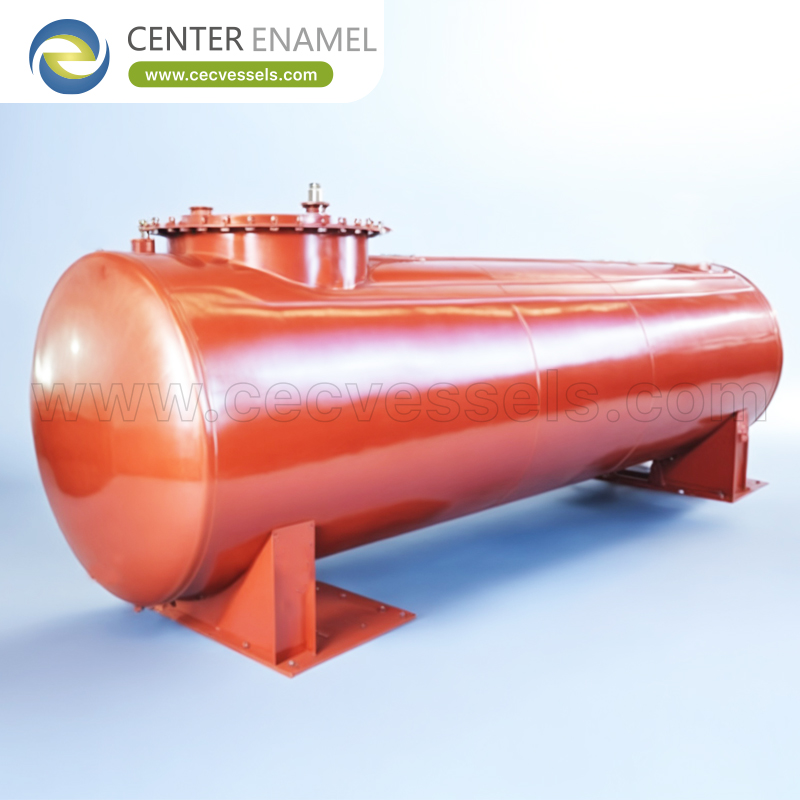
What Is a Heat Exchanger and Its Function?
A heat exchanger is a fundamental engineering device used to transfer heat between two or more fluids. These fluids may be separated by a solid wall to prevent mixing, or they may be in direct contact. They are widely used in space heating, refrigeration, air conditioning, power stations, chemical plants, petrochemical plants, petroleum refineries, natural gas processing, and sewage treatment.
Understanding the Core Function of a Heat Exchanger
To fully understand a heat exchanger, one must look at how thermal energy moves from a warmer substance to a cooler one. The primary function of any heating heat exchanger or cooling unit is to facilitate this thermal transfer with maximum efficiency. In many industrial and domestic applications, maintaining precise thermal control is essential for energy conservation and operational stability.
When explaining a heat exchanger, engineers often emphasize the principle of thermal conductivity and fluid dynamics. As fluids flow through or around designated channels, heat energy passes through the dividing walls. This ensures that the two working fluids never come into direct contact, eliminating contamination risks while successfully altering the temperature of the target medium.
The Evolution and Importance of Thermal Transfer Technology
The development of thermal transfer equipment dates back centuries, evolving alongside modern industrial manufacturing. Early systems were relatively simple, relying on basic pipes and tanks to exchange warmth. Over time, advancements in material science and thermodynamic research led to highly sophisticated designs capable of handling vast thermal loads with minimal energy loss.
Today, these systems play an indispensable role in global sustainability efforts. By recovering waste heat from industrial exhaust streams and reusing it within the same facility, organizations significantly reduce their overall energy consumption. This capability highlights why understanding heat exchanger types and their respective functions is critical for modern environmental and mechanical engineering.
Classification and Types of Heat Exchangers
Different applications require different configurations to achieve optimal thermal performance. To accommodate varying operational needs, engineers have categorized these devices into several distinct types of heat exchangers based on construction and flow arrangement.
Shell and Tube Heat Exchangers
The shell and tube design is one of the most common and traditional configurations found across various industries. It consists of a large shell enclosing a bundle of tubes. One fluid flows through the inside of the tubes, while the second fluid flows over the outside of the tubes through the shell. This design provides a large surface area for heat transfer and is easily adaptable for a wide range of operating conditions.
Plate Heat Exchangers
Plate heat exchangers utilize a series of thin, corrugated metal plates stacked together. These plates create a series of channels through which the hot and fluid streams flow. Because the plates offer a very high surface-area-to-volume ratio, plate units are remarkably compact and efficient. They are frequently used in HVAC systems, food processing, and refrigeration applications where space is limited and precise temperature regulation is required.
Double Pipe Heat Exchangers
The double pipe configuration represents a simpler layout, consisting of one smaller pipe placed concentrically inside a larger outer pipe. One fluid flows through the inner pipe, while the other flows through the annular space between the pipes. While less common in massive industrial plants due to space constraints, they are ideal for low-flow and moderate-temperature environments where maintenance simplicity is preferred.
Finned Tube Heat Exchangers
Finned tube units incorporate extended surfaces, known as fins, attached to the outer walls of the tubes. These fins dramatically increase the effective surface area available for thermal exchange. They are particularly useful when one of the fluids is a gas, such as air, because gases have lower thermal conductivity compared to liquids. Air conditioning coils and automotive radiators are classic examples of finned tube applications.
Flow Arrangements within Thermal Units
The geometric arrangement of fluid flow paths significantly influences the efficiency and performance of any thermal transfer system. Understanding these flow configurations helps engineers select the right equipment for specific thermal duties.
Parallel Flow Configuration In a parallel flow arrangement, both the hot and cold fluids enter the exchanger at the same end and travel in the same direction toward the exit. While straightforward in design, this configuration results in a continuously decreasing temperature difference along the length of the unit, limiting the maximum possible temperature approach between the two fluids.
Counter Flow Configuration In a counter flow arrangement, the two fluids enter from opposite ends and travel in opposite directions. This design allows the cold fluid to be heated to a temperature closer to the entering hot fluid temperature, making it far more thermodynamically efficient than parallel flow. Counter flow is the preferred choice for applications requiring high thermal effectiveness.
Cross Flow Configuration In a cross flow arrangement, the two fluids travel roughly perpendicular to each other. This layout is commonly utilized in applications involving gas-to-liquid heat exchange, such as automotive radiators and large-scale air handling units, where guiding fluids in parallel or counter paths is impractical due to ductwork geometry.
Applications in Everyday Life and Industry
Thermal transfer devices are ubiquitous, silently supporting numerous systems that people interact with daily. From residential heating to large chemical synthesis facilities, their utility is universal.
Residential and Commercial HVAC Systems In modern buildings, heating heat exchangers and cooling coils maintain comfortable indoor environments throughout changing seasons. Furnaces use these components to transfer warmth generated by combustion or electricity into the indoor air distribution network. Similarly, heat pumps and air conditioning units rely on refrigerant-based systems to absorb indoor heat and release it outdoors during summer months.
Power Generation Facilities Thermal and nuclear power plants rely extensively on large-scale thermal equipment to convert mechanical energy into electrical power. Condensers and feedwater heaters optimize the thermodynamic cycle by recovering residual steam energy, thereby maximizing the overall plant efficiency and reducing fuel requirements.
Food and Beverage Processing The food industry utilizes specialized sanitary units for pasteurization, sterilization, and temperature stabilization of milk, juices, sauces, and other consumables. Maintaining strict hygiene standards is paramount, and modern plate units constructed from high-grade stainless steel ensure safe, contamination-free processing.
Design Considerations and Material Selection
Selecting the appropriate material and geometric configuration requires careful evaluation of several physical parameters. Engineers must analyze the thermal properties of the working fluids, expected flow rates, allowable temperature drops, and physical space limitations.
Material compatibility is another crucial factor. Because various fluids possess different chemical properties, the chosen metals must resist corrosion and degradation over extended periods of operation. Common materials include stainless steel, titanium, copper alloys, and specialized polymers, each selected based on the specific chemical environment of the application.
Maintenance and Operational Longevity To ensure continuous, reliable performance, regular inspection and maintenance procedures are implemented across all industrial installations. Over time, mineral deposits, biological growth, or particulate matter can accumulate on internal heat transfer surfaces, creating a thermal insulating layer known as fouling.
Routine cleaning, whether through chemical flushing or mechanical brushing, restores optimal thermal conductivity and extends the operational lifespan of the equipment. Proper filtration and water treatment further minimize the risk of premature degradation, ensuring that the system operates at peak efficiency for many years.
Further Exploration of Industrial Thermal Management
Beyond standard commercial applications, specialized thermal systems are widely integrated into renewable energy systems, geothermal power recovery, and advanced data center cooling architectures. As electronic components become denser and more powerful, managing thermal dissipation efficiently is crucial for maintaining hardware reliability. Liquid-to-liquid and liquid-to-air thermal units prevent server overheating without consuming excessive electrical power.
Furthermore, in chemical engineering, precise temperature control ensures that reaction kinetics remain stable and predictable. By utilizing modular plate configurations, chemical plants can easily scale their thermal capacity up or down to meet changing production demands. This modular flexibility represents a significant advantage in modern manufacturing environments where adaptability and resource efficiency are key priorities.
Environmental Benefits and Energy Recovery
The implementation of advanced thermal transfer units directly contributes to global carbon reduction targets. Waste heat recovery systems capture thermal energy that would otherwise be exhausted into the atmosphere, redirecting it to preheat incoming water or air streams. This simple yet effective recycling process drastically lowers primary fuel consumption and reduces greenhouse gas emissions across industrial sectors.
Ultimately, ongoing research into advanced surface coatings and innovative flow patterns promises even greater efficiency gains in the near future. As engineers continue to refine these versatile devices, the role of thermal exchange technology in building a sustainable, energy-conscious society will only continue to expand.
Future Trends in Thermal Transfer Engineering
As global emphasis shifts toward energy conservation and sustainability, the design of thermal equipment continues to advance. Researchers are exploring novel nanomaterials, enhanced surface geometries, and microchannel architectures to achieve even higher rates of heat transfer within smaller footprints.
Innovations in computational fluid dynamics allow engineers to simulate complex fluid behaviors prior to physical manufacturing, reducing development cycles and optimizing performance. These ongoing technological advancements ensure that thermal transfer systems will remain at the forefront of efficient energy management for generations to come.
In summary, a heat exchanger is an essential technological cornerstone that enables the controlled transfer of thermal energy across diverse sectors. Whether serving as a compact heating heat exchanger in a residential home or a massive industrial unit in a power plant, its fundamental function remains the same: facilitating efficient energy exchange without fluid mixing. By exploring the various types of heat exchangers and understanding their operating principles, engineers and technicians can continue to innovate, optimize energy usage, and promote sustainable industrial practices worldwide.
|