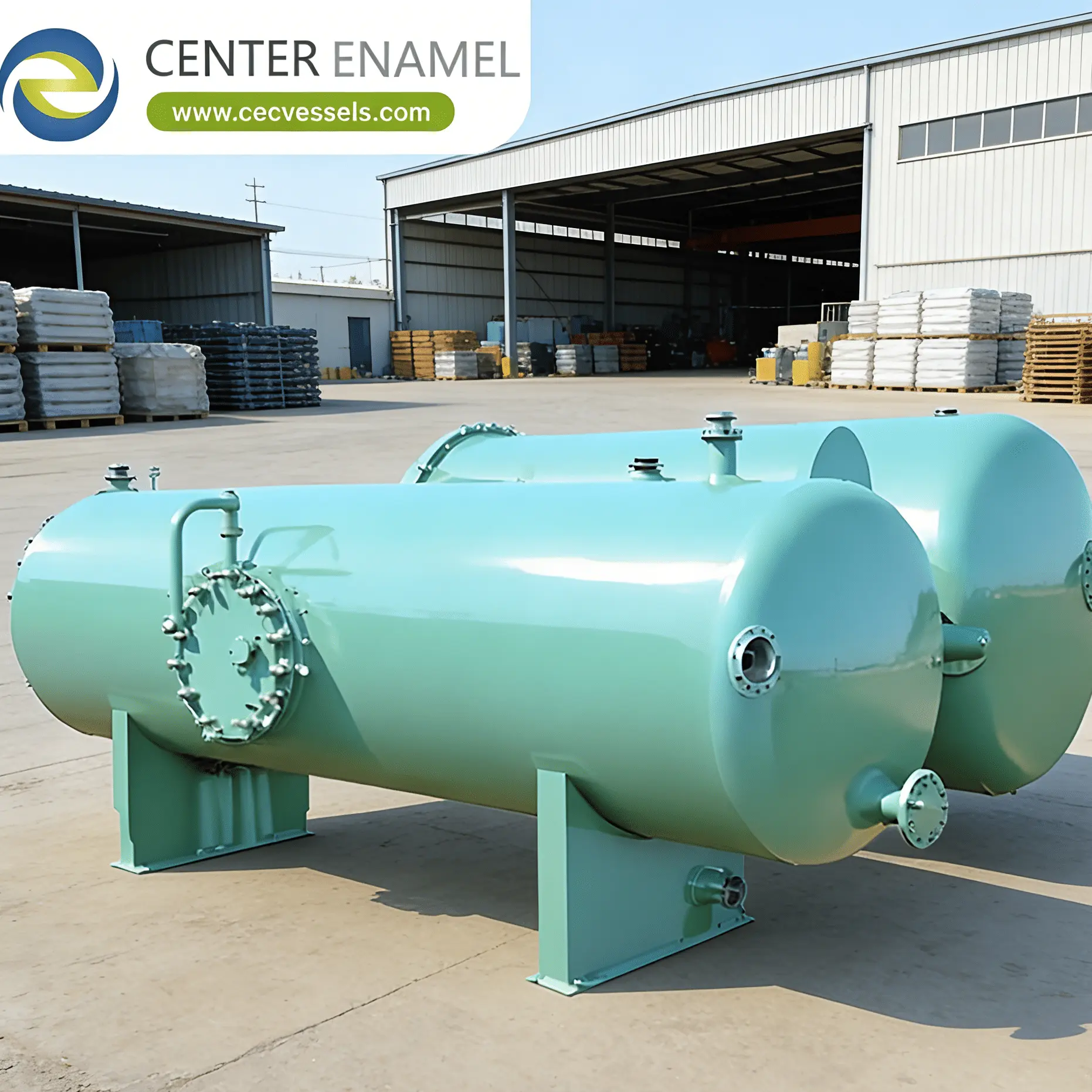
What Is a Hydrolysis Plant?
A hydrolysis plant is a treatment system that uses controlled thermal conditions to break down organic materials before further biological or chemical processing. It is commonly used for sewage sludge, organic waste, and other biodegradable materials. The system is particularly important in wastewater treatment and resource recovery because thermal hydrolysis can change the physical and biological characteristics of sludge, making organic matter more accessible for subsequent anaerobic digestion. The thermal hydrolysis process can therefore be integrated with sludge treatment, anaerobic digestion, biogas production, and biosolids processing. What Is Thermal Hydrolysis? Thermal hydrolysis is a pretreatment process that combines heat and controlled process conditions to break down complex organic structures. When organic materials are exposed to suitable thermal conditions, their structure can be disrupted and larger organic compounds can become more accessible to microorganisms. For sewage sludge, thermal hydrolysis can improve biodegradability and make the organic fraction easier to process during anaerobic digestion. This allows microorganisms in the digester to access organic matter more efficiently. The process has been applied commercially to sewage sludge and other organic materials. Thermal hydrolysis systems have also been used in waste-to-fuel applications where organic waste is processed for biogas production. The exact operating conditions depend on the feedstock, reactor design, treatment capacity, and downstream process. Therefore, a thermal hydrolysis plant is normally designed as an integrated system rather than as a single reactor. How Does the Thermal Hydrolysis Process Work? The thermal hydrolysis process generally consists of several connected stages. Although the specific configuration can vary between installations, the basic process begins with preparing the feed material. Sewage sludge or another organic feedstock is first collected and conditioned. The material is then transferred into the thermal hydrolysis system, where controlled heating is used to modify the structure of the organic solids. During thermal treatment, heat penetrates the feed material and helps break down complex structures. Organic compounds that were previously enclosed within solid particles can become more accessible. After the thermal treatment stage, the processed material can be transferred to a downstream anaerobic digester. Because the organic matter has been modified, microorganisms can access the biodegradable fraction more easily. During anaerobic digestion, microorganisms convert biodegradable organic matter into biogas and stabilized digestate. The biogas can then be collected and used as an energy resource, while the treated solids can continue through dewatering or biosolids processing. This integration between thermal hydrolysis and anaerobic digestion is one of the main reasons hydrolysis plants are used in modern wastewater treatment facilities. What Is a Hydrolysis Reactor? A hydrolysis reactor is the main processing vessel used to provide controlled conditions for the thermal hydrolysis stage. It receives the prepared feed material and provides the required residence time and heat transfer environment for the treatment process. The reactor must be designed according to the characteristics of the material being processed. Sewage sludge can contain a mixture of water, organic solids, inorganic particles, and other materials, so the reactor needs to support consistent material movement and heat distribution. Depending on the plant configuration, the hydrolysis reactor may be connected to feed pumps, heating equipment, steam or thermal energy systems, process piping, instrumentation, and downstream digestion equipment. The reactor is therefore not an isolated piece of equipment. It forms an important part of an integrated thermal hydrolysis system. What Are the Main Components of a Hydrolysis Plant? A complete hydrolysis plant normally contains several functional sections. The feed preparation system receives and conditions the incoming sludge or organic material. Depending on the feedstock, this stage may include screening, thickening, storage, pumping, or other conditioning operations. The heating system provides the thermal energy required for the hydrolysis process. Heat may be transferred through steam, heat exchangers, or other suitable thermal systems. The hydrolysis reactor provides the main treatment space. Its volume and configuration are selected according to the required throughput and residence time. The transfer system moves treated material between the different stages. Pumps and process pipelines are selected according to the physical characteristics of the sludge. The control system monitors important process parameters such as temperature, flow, level, and treatment time. Automated control helps maintain consistent operation throughout the thermal hydrolysis cycle. A downstream anaerobic digestion system can then receive the treated material for biological digestion and biogas production. How Does a Hydrolysis Reactor Improve Sludge Treatment? One important function of thermal hydrolysis is to change the structure of sludge solids. Untreated sludge may contain organic materials within complex cellular structures. These structures can limit the accessibility of biodegradable compounds during anaerobic digestion. Thermal hydrolysis modifies these structures through controlled heat treatment. As the material is processed, organic compounds can become more accessible to microorganisms. This can improve the relationship between the pretreatment stage and the digestion stage. The treated sludge can then enter an anaerobic digester where microorganisms convert available organic matter into biogas. The process can also influence the physical properties of the sludge. Thermal hydrolysis has been associated with changes in sludge rheology and improved dewaterability, which can support subsequent processing. What Materials Can Be Treated in a Hydrolysis Plant? Thermal hydrolysis plants are commonly associated with sewage sludge treatment, but the general principle can also be applied to other biodegradable organic materials. Sewage sludge is one of the most established applications. Wastewater treatment plants generate large quantities of sludge, and thermal hydrolysis can be integrated before anaerobic digestion. Organic municipal waste can also be processed through thermal hydrolysis systems. Food waste and other biodegradable materials contain organic compounds that can be converted into useful products through suitable biological treatment. Industrial organic waste may also be considered when its composition and physical characteristics are suitable for the selected thermal hydrolysis technology. The actual feedstock determines reactor design, heating requirements, residence time, pumping conditions, and downstream treatment configuration. What Is the Role of Thermal Hydrolysis in Anaerobic Digestion? Thermal hydrolysis and anaerobic digestion are often combined because the two processes perform different functions. Thermal hydrolysis acts as a pretreatment stage. Its purpose is to modify the structure of the organic material and improve its accessibility. Anaerobic digestion is the biological conversion stage. Microorganisms consume biodegradable organic matter and produce biogas and stabilized digestate. By placing thermal hydrolysis before anaerobic digestion, the overall treatment system can improve the utilization of organic material. This combination is particularly useful for wastewater treatment plants that want to recover energy from sludge. The thermal hydrolysis stage prepares the material, while the digester converts biodegradable organic matter into biogas. The resulting biogas can be collected for energy applications, while the remaining digestate can be processed through dewatering and other solids treatment stages. Commercial wastewater treatment applications have demonstrated the use of thermal hydrolysis together with digestion and resource recovery. What Are the Benefits of a Thermal Hydrolysis Process? The thermal hydrolysis process provides several useful functions for organic waste and sludge treatment. First, it can improve the biodegradability of organic solids. This allows microorganisms to access organic matter more effectively during anaerobic digestion. Second, thermal hydrolysis can support greater utilization of existing digestion capacity. By improving the accessibility of organic material, the digestion stage can make better use of the available feedstock. Third, the process can support biogas production. When more biodegradable organic matter becomes available to microorganisms, the downstream digestion process can recover more energy from the treated material. Fourth, thermal hydrolysis can improve the physical characteristics of sludge. Changes in sludge structure can support subsequent dewatering and solids handling operations. Finally, thermal hydrolysis supports resource recovery. Instead of treating sewage sludge only as a residual material, an integrated system can convert part of its organic content into biogas and produce treated biosolids. How Is a Thermal Hydrolysis Plant Integrated Into a Wastewater Treatment Facility? A thermal hydrolysis plant can be installed as part of a larger wastewater treatment process. The overall sequence may begin with wastewater treatment and sludge separation. The collected sludge is then thickened and transferred to the thermal hydrolysis section. After thermal treatment, the hydrolyzed sludge is sent to anaerobic digesters. The digesters provide biological conversion and generate biogas. The digested material can then be dewatered. The separated water can return to an appropriate treatment stage, while the dewatered solids can be further processed or utilized according to local requirements. The biogas generated by anaerobic digestion can be collected and treated for energy recovery. This type of integrated process allows a wastewater treatment facility to connect sludge treatment, biological digestion, biogas generation, and solids processing into one resource recovery system. What Factors Should Be Considered When Selecting a Hydrolysis Reactor? Selecting a hydrolysis reactor requires consideration of several process parameters. The first consideration is feed capacity. The reactor must be sized according to the amount of sludge or organic material that the plant needs to process. Feed characteristics are also important. Moisture content, solids concentration, organic content, viscosity, and particle characteristics can all influence equipment selection. The required thermal treatment conditions should also be considered. Heating capacity, heat transfer efficiency, residence time, and temperature control all affect reactor performance. Material selection is another important consideration. The reactor and connected process equipment should be compatible with the feed material and the intended operating environment. Instrumentation and automation should also be considered. Temperature, flow, level, and other process parameters can be monitored to maintain stable operation. For larger installations, the hydrolysis reactor should also be evaluated together with the heating system, feed system, anaerobic digester, biogas system, and dewatering equipment. Why Is Thermal Hydrolysis Important for Resource Recovery? Modern wastewater treatment increasingly focuses on resource recovery rather than simple waste disposal. Thermal hydrolysis can contribute to this approach by preparing organic solids for biological conversion. The organic matter contained in sludge represents a potential energy resource. Through thermal pretreatment and anaerobic digestion, this material can be converted into biogas. At the same time, the treated solids can be processed into biosolids or other useful materials depending on local regulations and the characteristics of the final product. This makes thermal hydrolysis an important technology for facilities seeking to improve the connection between wastewater treatment and resource recovery. Hydrolysis Plants for Modern Organic Waste Treatment A hydrolysis plant provides a controlled thermal treatment stage for sewage sludge and other suitable organic materials. The thermal hydrolysis process modifies organic structures, improves biodegradability, and prepares the material for downstream biological treatment. At the center of the system, the hydrolysis reactor provides the required treatment environment, while heating equipment, feed systems, pumps, controls, and downstream anaerobic digesters work together to complete the process. When integrated with anaerobic digestion, thermal hydrolysis can support improved organic matter utilization, biogas production, sludge processing, and resource recovery. For wastewater treatment plants and organic waste facilities, a properly designed hydrolysis system can therefore become an important part of an integrated approach to energy recovery and sustainable solids management.
|