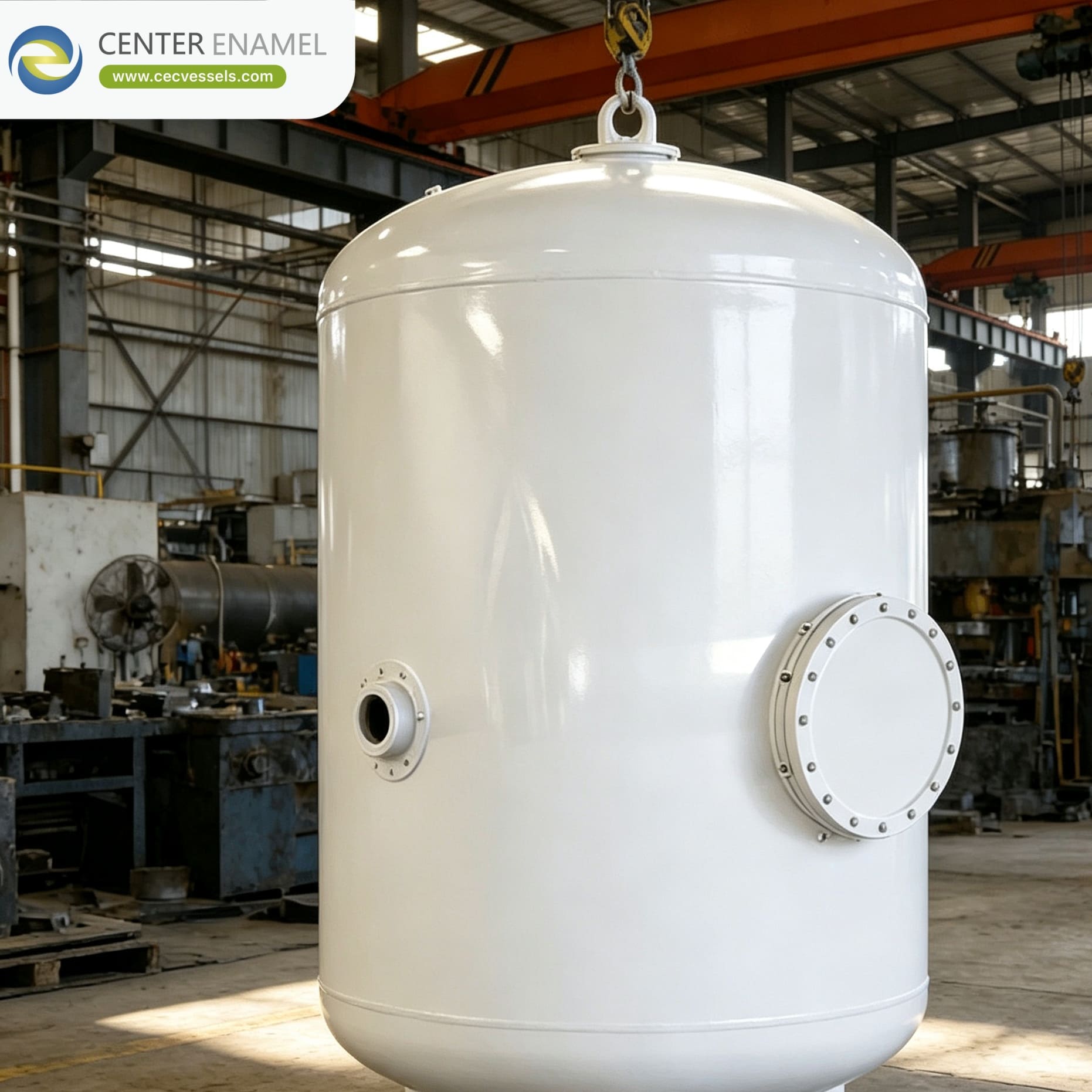
What Is a Jacketed Agitated Reactor
A jacketed agitated reactoris an industrial process vessel that combines mechanical mixing with temperature control. It is widely used in chemical manufacturing, pharmaceuticals, food processing, and other industries that require controlled heating, cooling, and mixing. By integrating an agitator and an external heating or cooling jacket, this equipment supports consistent processing conditions and efficient material treatment. What Is a Jacketed Agitated Reactor?A jacketed agitated reactoris a specialized vessel consisting of an inner chamber, an external jacket, and a mechanical agitation system. The inner chamber holds the materials being processed, while the jacket provides a circulation space for heating or cooling media. The agitator continuously mixes the materials inside the vessel, helping distribute heat, dissolve ingredients, suspend solids, and maintain a uniform mixture. A jacketed reactor vesselis generally manufactured from stainless steel or other materials selected according to the characteristics of the process medium. Compared with a conventional mixing tank, a jacket reactorprovides an additional temperature control function. This makes it suitable for processes where both mixing performance and thermal management are important. How Does a Jacketed Agitated Reactor Work?The working principle of a jacketed chemical reactorcombines indirect heat transfer with mechanical agitation. The process begins when raw materials, liquids, powders, or other ingredients are introduced into the main vessel. The agitator starts rotating to mix the materials according to the required process conditions. At the same time, a heating or cooling medium circulates through the external jacket. Heat passes through the vessel wall, allowing the temperature of the materials inside to increase or decrease without directly mixing the heat transfer fluid with the process materials. A typical operating process includes the following steps: lMaterial Charging:Raw materials are introduced into the reactor through designated feeding openings. lMechanical Agitation:The motor drives the agitator to distribute materials throughout the vessel. lTemperature Regulation:Steam, hot water, thermal oil, or chilled water circulates through the jacket. lReaction Processing:The materials are maintained under the required mixing and temperature conditions. lProcess Monitoring:Sensors and control instruments monitor temperature and other operating parameters. lProduct Discharge:The processed materials are discharged through the designated outlet. The combination of agitation and jacket-based heat transfer makes jacketed reactorssuitable for a wide range of batch processing operations. What Are the Main Components of a Jacketed Agitated Reactor?A typical jacketed agitated reactorconsists of several integrated components. Each component contributes to the overall operation and processing performance. 1. Reactor VesselThe main vessel provides the internal space for material storage, mixing, and chemical reactions. It is commonly manufactured from stainless steel, with the material grade selected according to product compatibility and operating requirements. 2. Heating and Cooling JacketThe external jacket surrounds part or all of the main vessel. It provides a passage for circulating heat transfer media, such as steam, hot water, thermal oil, or chilled water. 3. Agitator SystemThe agitation system includes a motor, drive assembly, shaft, and impeller. It creates circulation inside the vessel and helps maintain a uniform mixture. 4. Temperature Control SystemTemperature sensors, control instruments, circulation pumps, and associated piping help regulate the temperature of the process materials. 5. Inlet and Outlet ConnectionsThese connections allow operators to introduce raw materials, supply utilities, add process ingredients, and discharge finished products. 6. Control PanelThe control system provides centralized operation of the motor, temperature regulation, and other process parameters. Automated configurations can be designed according to production requirements. What Are the Different Types of Reactor Jackets?The jacket configuration affects heat transfer performance, fluid circulation, and overall equipment design. Several common jacket types are available for industrial reactors. Conventional JacketA conventional jacketconsists of an external shell surrounding the reactor vessel, creating an annular space for heat transfer fluid circulation. This design provides a relatively straightforward structure and can cover a large portion of the vessel surface. It is commonly used for general heating and cooling applications. Dimple JacketA dimple jacketuses a formed metal sheet with regularly distributed indentations. These dimples create flow channels that guide the heating or cooling medium along the vessel surface. This configuration offers a compact jacket structure and is widely considered for industrial vessels requiring efficient heat transfer. Half-Pipe Coil JacketA half-pipe coil jacketconsists of half-pipe sections welded spirally around the external vessel wall. The arrangement creates defined circulation channels for the heat transfer medium. It is often selected for larger industrial reactors and applications requiring a customized thermal management arrangement. The appropriate jacket type depends on vessel dimensions, heat transfer requirements, utility conditions, and the characteristics of the process materials. What Types of Agitators Are Used in Jacketed Reactors?Agitator selection is another important factor in the design of a jacketed agitated reactor. Different impeller configurations provide different flow patterns and mixing characteristics.
The agitator should be selected according to material viscosity, solid content, mixing speed, vessel geometry, and process objectives. What Are the Applications of Jacketed Agitated Reactors?Jacketed reactorsare used in various industries because they combine temperature regulation and mechanical mixing in one processing unit. Chemical ManufacturingIn chemical production, a jacketed chemical reactoris used for synthesis, neutralization, dissolution, polymerization, and other chemical processing operations. Temperature control and uniform mixing help maintain the required reaction conditions. Pharmaceutical IndustryPharmaceutical manufacturers use jacketed reactor vessels for ingredient preparation, chemical synthesis, crystallization, and intermediate production. Stainless steel construction and suitable internal surface finishes can be specified according to manufacturing requirements. Food and Beverage ProcessingIn food processing, jacketed reactors support heating, cooling, blending, and product preparation. Applications include sauces, syrups, liquid food ingredients, and other temperature-controlled products. Resin and Polymer ProductionResin and polymer manufacturing often involves materials with changing viscosity during processing. Anchor or helical ribbon agitators can be selected to maintain material circulation, while the jacket regulates process temperature. Cosmetics and Personal CareJacketed agitated vessels are also used for preparing creams, lotions, gels, and other personal care products. The equipment supports ingredient blending, heating, cooling, and homogenization when configured with suitable mixing components. What Should Be Considered When Selecting a Jacketed Reactor?Choosing the right jacketed agitated reactorrequires an understanding of the production process and equipment requirements. Important selection factors include: lWorking Capacity:Determine the required batch volume and suitable vessel dimensions. lMaterial Selection:Choose stainless steel or another compatible construction material according to the process medium. lJacket Configuration:Select a conventional, dimple, or half-pipe jacket based on heat transfer requirements. lAgitator Design:Match the impeller type and mixing speed to material viscosity and process characteristics. lTemperature Range:Identify the required heating and cooling conditions lAutomation:Determine whether temperature monitoring, variable-speed control, and automated operation are needed. lCustomized Design:Consider vessel orientation, insulation, nozzles, manways, and discharge arrangements. A properly configured reactor can help manufacturers achieve consistent mixing and temperature control across different production batches. Customized Jacketed Reactor Solutions from Center EnamelA jacketed agitated reactorintegrates vessel engineering, heat transfer, and mechanical mixing to support a wide range of industrial processes. Center Enamel provides industrial vessel engineering and manufacturing solutions for chemical and process industries. Depending on project requirements, reactor equipment can be designed around specific vessel capacities, construction materials, jacket configurations, and auxiliary components. When selecting a jacketed reactor vessel, manufacturers should consider the complete process requirements rather than focusing only on vessel capacity. A suitable combination of vessel structure, agitator design, and temperature control system helps establish an efficient and consistent production process.
|