What Is a Reactor Used For?
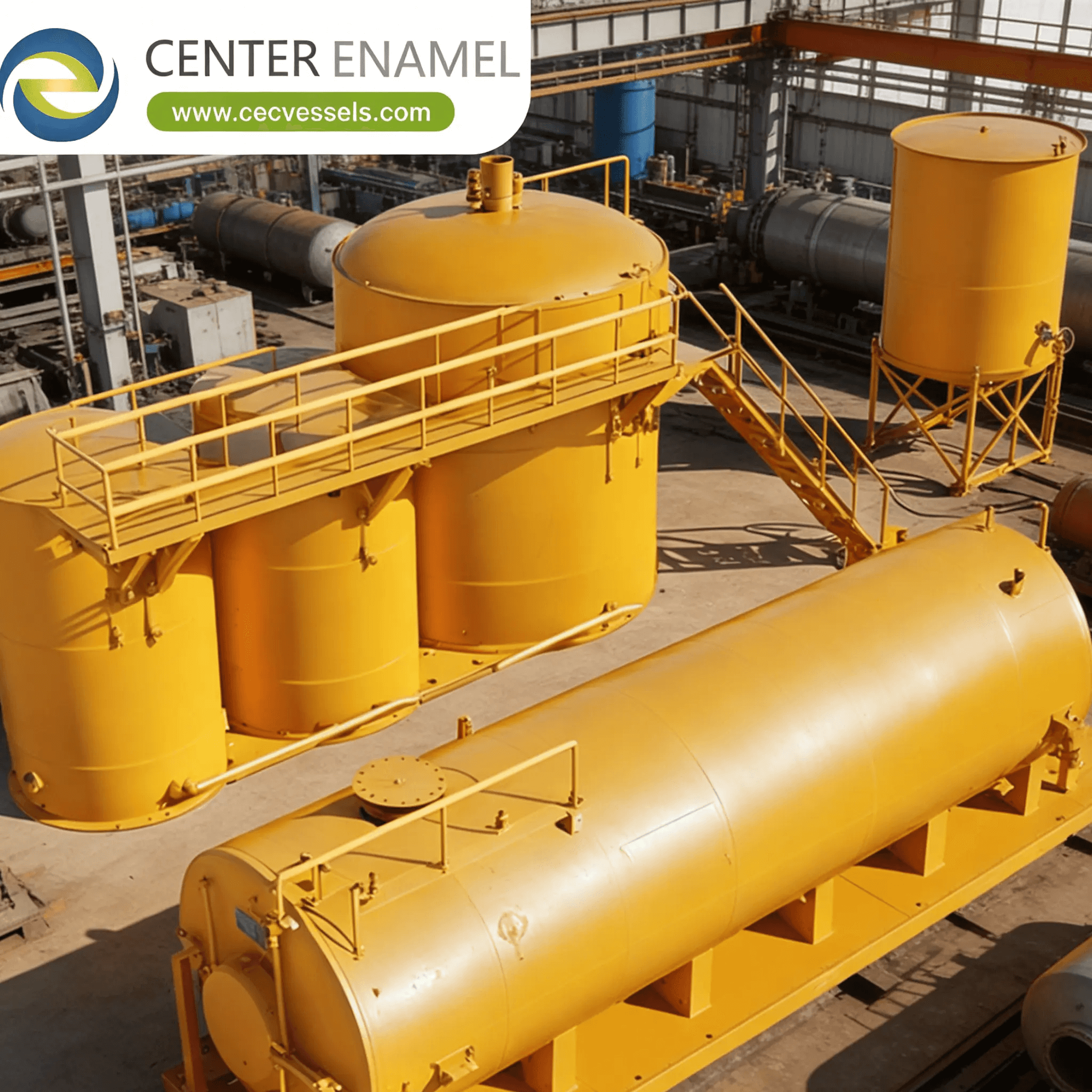
Reactors serve as the fundamental engine behind modern chemical production, energy generation, and materials processing. At its core, a reactor is a specialized vessel designed to facilitate, control, and optimize transformation processes, whether physical, chemical, or nuclear. By providing a controlled environment, these systems allow raw inputs to convert into high-value compounds, essential fuels, or clean energy under precise thermal and operational conditions.
Understanding what a reactor is used for involves examining both chemical process industries and energy systems. While their specific operational mechanics vary according to their application, the primary purpose remains consistent: enabling essential transformations safely, efficiently, and predictably. From manufacturing pharmaceutical ingredients to generating electricity, reactors form the backbone of modern global infrastructure.
Key Functions of a Reactor
A reactor functions as a contained vessel that maintains exact environmental parameters necessary for transformation processes. Without these controlled environments, many fundamental manufacturing processes would be impossible or inefficient.
Controlled Chemical TransformationsThe foremost function of an industrial reactor is to bring reactants together under regulated conditions to promote specific chemical changes. The internal design enables mixing, molecular collisions, and time management so that raw compounds convert into intended final products with minimal unintended side reactions.
Thermal Energy ManagementTemperature regulation is critical to process optimization. Many reactions absorb heat or release significant thermal energy during operation. Industrial reactors integrate specialized heating or cooling systems, such as external jackets or internal coils, to maintain steady operating temperatures, preventing overheating or process stalling.
Agitation and Homogeneous MixingTo maintain uniform product quality, reactors employ internal agitation systems. Impellers and mechanical stirrers ensure that liquid or gas reactants remain thoroughly blended throughout the operation. This consistent mixing prevents localized hotspots and ensures uniform material distribution.
Primary Uses of Chemical Reactors
In the chemical and process manufacturing sectors, reactors transform basic raw materials into useful consumer goods, specialized formulations, and intermediate compounds.
Specialty Chemical and Polymer ProductionLarge-scale continuous reactors process petrochemicals into essential plastics, synthetic fibers, resins, and rubbers. Through polymerization reactions, simple monomer units unite inside the vessel to build long molecular chains used in consumer goods, automotive parts, and construction materials.
Pharmaceutical ManufacturingThe pharmaceutical industry relies heavily on batch reactors to formulate active pharmaceutical ingredients, fine chemicals, and medications. These batch systems allow manufacturers to precisely manage reaction sequences, maintain strict quality control, and produce high-purity compounds in discrete, measurable quantities.
Refining and Petrochemical ProcessingIn petroleum refining, catalytic reactors split heavy hydrocarbon molecules into lighter, higher-demand fuels such as gasoline, diesel, and aviation fuel. Processes such as catalytic cracking, hydrotreatment, and reformate synthesis depend entirely on reactor systems to reconfigure molecular structures.
Food, Beverage, and Bio-processingBiological reactors, commonly known as bioreactors or fermenters, utilize microorganisms or enzymes to drive transformation processes. They are essential in brewing, enzyme synthesis, dairy processing, and biofuel generation, where living organisms convert biological feeds into valuable consumer products.
Uses of Energy and Nuclear Reactors
Beyond chemical conversion, reactors play a foundational role in global energy infrastructure by converting atomic and thermal energy into usable power.
Electricity GenerationIn energy generation, nuclear reactors act as the core source of thermal energy for power plants. Through the controlled process of nuclear fission, heavy atomic nuclei split, releasing immense heat. This heat is transferred to fluid coolants to generate steam, which drives turbines connected to electrical generators.
Maritime and Space PropulsionNuclear reactors serve as compact, continuous power sources for deep-sea naval vessels, submarines, and icebreakers. Because these reactors operate without needing atmospheric oxygen or frequent refueling, they allow vessels to operate independently for extended periods. Research is also underway on space-based nuclear thermal reactors for deep-space exploration.
Production of Medical and Industrial IsotopesNuclear research reactors are widely used to manufacture radioisotopes essential for medical diagnostics, cancer therapies, industrial radiography, and material testing. These specialized reactors prioritize neutron generation over heat production, providing crucial materials for healthcare and quality inspection.
Major Operating Configurations
Reactors are categorized into distinct operating modes, tailored to production volume, reaction speed, and material dynamics.
Batch ReactorsBatch reactors process materials in individual, self-contained cycles. All starting materials are loaded into the vessel, allowed to react for a predetermined duration under active mixing, and then discharged. Batch operation is ideal for small-scale production, frequent product changes, and specialized low-volume synthesis.
Continuous Stirred-Tank ReactorsContinuous Stirred-Tank Reactors operate with a continuous inflow of starting materials and a simultaneous outflow of finished products. A motorized agitator continuously blends the vessel contents, maintaining uniform composition and thermal distribution throughout the process stream.
Tubular and Plug Flow ReactorsTubular reactors consist of long cylindrical pipes or tubes through which reactants flow continuously. As the fluid moves along the length of the tube, the transformation progresses, creating a continuous concentration gradient from inlet to outlet. These systems are commonly utilized for fast, high-volume gas or liquid phase reactions.
Fluidized Bed ReactorsFluidized bed reactors pass gas or liquid upward through a bed of solid catalyst particles at sufficient velocity to suspend the solids. This creates a fluid-like mixture that maximizes contact between reactants and catalysts, facilitating rapid heat transfer and efficient overall conversion.
Key Operating Factors in Reactor Systems
To achieve consistent yield and product quality, reactor systems must continuously manage several critical operating parameters.
lTemperature Control:Precise thermal regulation directly dictates reaction speed, selectivity, and overall output quality. lFlow Management:Controlling the rate at which materials enter and exit ensures sufficient residence time for complete reaction progress. lCatalyst Interaction:Solid or liquid catalysts lower the energy required for transformations, accelerating production without being consumed. lMass Transfer:Efficient mixing ensures that different phases—such as liquids, gases, and solids—contact each other effectively.
Reactors are indispensable assets across modern chemical processing, manufacturing, and energy sectors. By controlling essential conditions such as temperature, mixing, and residence time, these versatile vessels enable the safe, repeatable, and efficient transformation of raw inputs into vital goods and power. Whether producing advanced polymer materials, pharmaceutical treatments, specialty chemicals, or base-load electricity, reactors remain central to industrial progress and technology advancement.
|