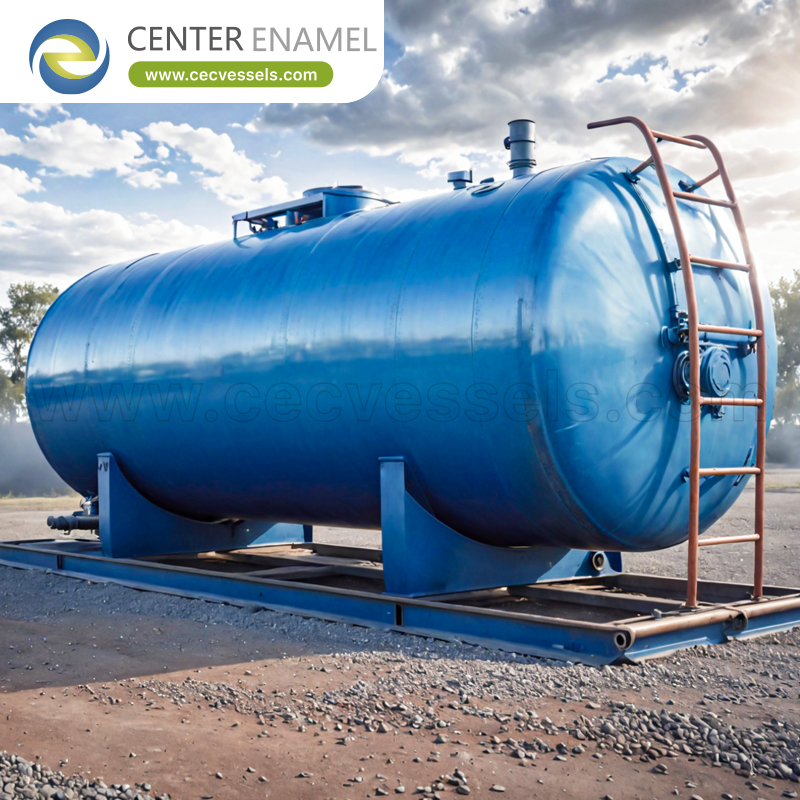
What Is a Resin Reactor?
A Resin Reactor is an industrial processing vessel designed for producing different types of synthetic resins through controlled chemical reactions. It provides a suitable environment for mixing raw materials, managing reaction temperature, and achieving the required resin properties. Resin reactors are important equipment in resin manufacturing plants, where they support the production of materials used in coatings, adhesives, plastics, composites, and other industries. During resin production, raw materials such as monomers, solvents, catalysts, and additives are introduced into the reactor according to a specific formulation. The reactor then uses an agitation system and temperature control system to ensure uniform mixing and stable reaction conditions. Modern Resin Reactors are designed with advanced process control technologies to improve production accuracy and efficiency. By controlling important parameters such as temperature, mixing speed, feeding rate, and reaction time, manufacturers can produce resin products with consistent quality and performance.
How Does a Resin Reactor Work?A Resin Reactor works by creating a controlled environment where chemical reactions transform raw materials into resin products. The production process usually includes material feeding, mixing, heating, reaction, cooling, and final discharge. First, raw materials are added into the reactor according to the production formula. The agitator starts operating to distribute all components evenly throughout the vessel. Uniform mixing allows different materials to interact effectively and supports stable chemical reactions. During the reaction stage, the heating and cooling system regulates the temperature inside the reactor. Different resin types require different processing temperatures, so accurate temperature management is essential for achieving the desired viscosity, molecular structure, and product characteristics. The reactor control system continuously monitors operating conditions and adjusts parameters when needed. Automated systems can manage stirring speed, temperature changes, and material dosing, helping resin manufacturing plants maintain stable production processes. After the reaction is completed, the finished resin product is processed according to the next production step, such as storage, packaging, or further formulation. Resin reactors are commonly operated in batch production because this method provides flexibility for producing different resin formulations. A single reactor system can often be adapted for multiple resin products by adjusting raw materials and process settings.
Main Components of a Resin ReactorA Resin Reactor consists of several key components that work together to complete resin synthesis and processing. Reactor VesselThe reactor vessel is the main chamber where chemical reactions occur. It provides sufficient space for material mixing and reaction processing. Most industrial resin reactors are manufactured using stainless steel or other suitable materials that match the characteristics of resin production. The vessel design can be customized according to production capacity, resin type, and manufacturing requirements. The structure of the reactor affects heat transfer efficiency, mixing performance, and overall production stability. A well-designed vessel helps ensure that raw materials are processed evenly throughout the reaction cycle. Agitation SystemThe agitation system is one of the most important parts of a Resin Reactor. It ensures that raw materials are mixed evenly and helps maintain consistent conditions inside the vessel. Different resin formulations require different agitator designs. Common agitator types include anchor agitators, frame agitators, paddle agitators, and turbine agitators. For high-viscosity resin materials, anchor and frame agitators are often selected because they can move thicker materials effectively. For lower-viscosity materials, paddle or turbine agitators can provide efficient circulation. The agitator design influences mixing quality, heat transfer, and reaction efficiency. Proper agitation helps manufacturers achieve uniform resin properties. Heating and Cooling SystemTemperature control is essential in resin manufacturing processes. Resin reactors are equipped with heating and cooling systems to maintain suitable reaction conditions. Common temperature control methods include external jackets, internal coils, and circulation systems. These systems allow heat transfer media to circulate around or inside the reactor to adjust the process temperature. Accurate temperature regulation helps control reaction speed and supports consistent resin quality. Feeding SystemThe feeding system is responsible for adding raw materials into the reactor. Many resin formulations require precise ratios between different ingredients. Automated dosing systems can improve feeding accuracy and help maintain consistent production results. The feeding system can be designed for manual, semi-automatic, or fully automatic operation depending on the requirements of the resin manufacturing plant. Control SystemModern Resin Reactors are equipped with control systems that monitor and manage production parameters. The control system can record temperature, stirring speed, feeding sequence, and reaction time. These functions improve process management and allow operators to produce resin materials more efficiently.
Types of Resin ReactorsDifferent resin production methods require different reactor designs. Common types include batch resin reactors, jacketed resin reactors, vacuum resin reactors, and customized resin reaction systems. Batch Resin ReactorA batch Resin Reactor is one of the most widely used designs in resin manufacturing plants. In a batch process, all or part of the raw materials are added into the reactor, and the reaction continues until the desired resin properties are achieved. Batch reactors are suitable for producing various resin types, including epoxy resin, polyester resin, acrylic resin, alkyd resin, and phenolic resin. The main advantage of batch operation is flexibility. Manufacturers can change production formulas according to different product requirements without replacing the entire production system. Jacketed Resin ReactorA jacketed Resin Reactor uses a jacket structure around the reactor vessel to provide temperature control. Heating or cooling media circulate through the jacket to transfer heat between the reactor and the external system. This design is commonly used in resin manufacturing because it provides stable temperature management during different reaction stages. Jacketed reactors are suitable for applications involving polymerization, condensation, and resin modification processes. Vacuum Resin ReactorA vacuum Resin Reactor is designed for resin processes that require controlled removal of solvents or unwanted components. Vacuum operation can help manufacturers achieve specific resin characteristics, such as improved consistency and adjusted viscosity. These reactors are commonly used in advanced resin production processes where precise material control is required. Customized Resin ReactorDifferent resin manufacturing plants may have different production requirements. Customized Resin Reactors can be designed according to production capacity, material properties, mixing requirements, and automation needs. Manufacturers can select suitable vessel sizes, agitator designs, heating systems, and control technologies to create a reactor solution that matches their production process.
Applications of Resin ReactorsResin Reactors are widely used in many industries because synthetic resins are important materials for modern manufacturing. Paint and Coating IndustryThe paint and coating industry is one of the major application areas for resin reactors. Resins produced by these reactors are used as binders that influence coating performance, appearance, adhesion, and durability. Resin manufacturing plants use reactors to produce different coating resins, including acrylic resins, epoxy resins, and alkyd resins. Adhesive IndustryResin reactors play an important role in adhesive production. Many industrial adhesives depend on resin materials as key components. Through controlled reactions, manufacturers can produce resin formulations suitable for packaging, construction, woodworking, electronics, and industrial applications. Composite Material IndustryComposite materials often use resin systems combined with reinforcing materials such as glass fibers or carbon fibers. Resin reactors help produce resin matrices with suitable flow characteristics and mechanical properties for composite manufacturing. These materials are widely applied in transportation, construction, sports equipment, and industrial products. Plastic IndustryResin materials are important raw materials in plastic production. Resin reactors support the manufacture of polymer-based materials used in packaging, household products, industrial components, and engineering applications. Chemical IndustryChemical manufacturers use Resin Reactors to produce specialty resins and customized chemical materials. The flexibility of reactor systems allows manufacturers to develop different resin formulations for various industrial needs.
Benefits of Using Resin Reactors in Manufacturing PlantsConsistent Product QualityResin reactors provide controlled reaction environments that help manufacturers produce stable resin products. Uniform mixing and accurate temperature control contribute to consistent product performance. Flexible ProductionResin reactors can be adjusted for different formulations and production volumes. This flexibility allows resin manufacturing plants to produce multiple products using suitable process settings. Improved Process EfficiencyAutomated control systems and optimized reactor designs improve production efficiency. Manufacturers can reduce manual operations and better manage production processes. Customized SolutionsResin reactors can be designed according to specific production requirements. Customized solutions allow manufacturers to select suitable agitators, heating systems, and control technologies.
Factors to Consider When Selecting a Resin ReactorChoosing the right Resin Reactor requires careful consideration of several factors. Resin TypeDifferent resins have different production characteristics. The reactor design should match the requirements of the specific resin formulation. Production CapacityThe reactor size should correspond to the output requirements of the resin manufacturing plant. Small production lines may use compact reactors, while large-scale plants may require larger systems. Mixing RequirementsThe agitator design should match the viscosity and properties of the resin materials. Proper mixing selection helps maintain product consistency. Temperature ControlThe reactor should provide suitable heating and cooling functions according to the reaction process. Accurate temperature control supports stable resin production. Automation RequirementsManufacturers should consider the required level of automation. Advanced control systems can improve monitoring, operation efficiency, and production management.
Choosing a Professional Resin Reactor ManufacturerSelecting a professional Resin Reactor manufacturer is important for building an efficient resin manufacturing plant. Experienced manufacturers can provide customized reactor solutions based on production requirements, including reactor design, material selection, agitator configuration, temperature control systems, and automation integration. A reliable manufacturer can help customers choose suitable equipment for different resin production processes and provide technical support throughout the project. With proper reactor design and manufacturing expertise, resin producers can achieve stable operation, efficient production, and consistent product quality.
Future Development of Resin Reactor TechnologyResin Reactor technology continues to develop with improvements in automation, process control, and manufacturing flexibility. Future resin reactors will focus on intelligent monitoring systems, more precise process management, and improved production efficiency. Digital technologies will help manufacturers collect production data and optimize resin manufacturing processes. As industries continue to require advanced resin materials for coatings, adhesives, plastics, and composite products, Resin Reactors will remain essential equipment in modern resin manufacturing plants. Through continuous innovation in reactor design and process technology, resin reactors will support the development of high-quality materials for various industrial applications.
a |