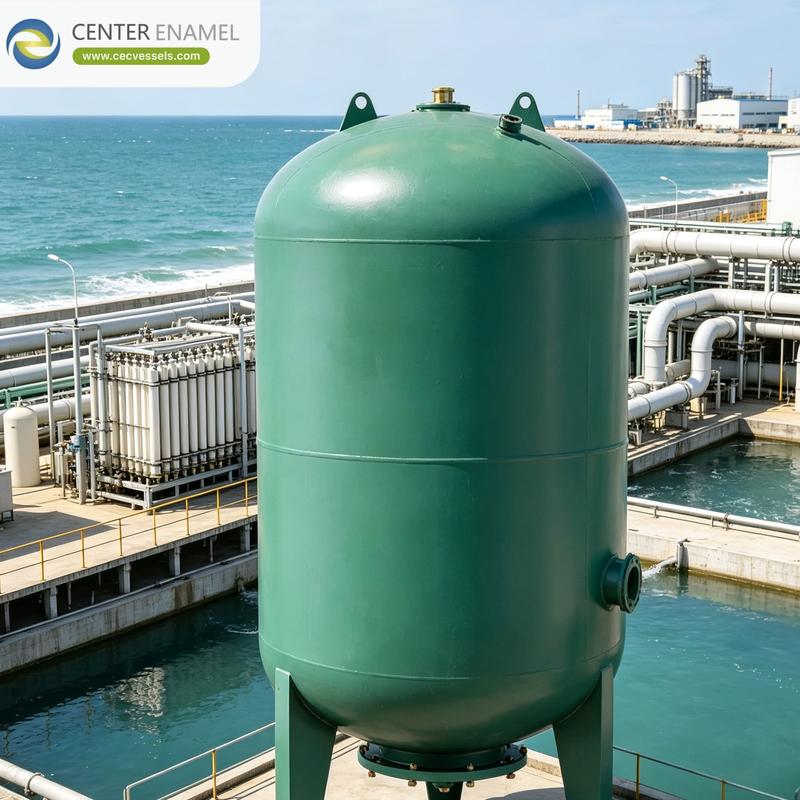
A synthesis reactor is a process vessel or system used to convert reactants into a desired chemical compound under controlled conditions. It may use mechanical agitation, heating or cooling jackets, continuous flow, or catalyst beds, depending on the reaction. The correct design depends on reaction kinetics, material properties, heat transfer, mixing, production capacity, and operating mode.
What Is a Synthesis Reactor?
A synthesis reactor is designed for chemical synthesis, the process of producing a target compound through one or more chemical reactions. The feed materials, reaction pathway, and required product specifications determine the reactor configuration and operating conditions.
Unlike a general storage vessel, a synthesis reactor must support the conditions required for the reaction to proceed. These conditions may include a defined temperature range, mixing intensity, reactant concentration, reaction time, catalyst contact, and controlled addition of feed materials.
The term synthesis reactor describes the process purpose rather than one single vessel geometry. A synthesis reactor may be a batch stirred tank, a semi-batch vessel, a continuous stirred tank reactor, a tubular reactor, or a catalytic reactor, depending on the chemistry and production method.
How Does a Synthesis Reactor Work?
A synthesis reactor works by bringing reactants together and maintaining the conditions needed to form the desired product. A typical process includes feed preparation, material charging or continuous feeding, mixing, temperature control, reaction, and product discharge.
In a batch synthesis process, the required materials are charged into the vessel and processed for a specified period. An agitator can improve material distribution, while a jacket or internal coil can supply or remove heat. Once the required reaction endpoint is reached, the product is discharged for subsequent separation or purification.
In a continuous synthesis process, feed materials enter the reactor while product exits during operation. The process is designed around flow rate, residence time, reaction kinetics, and the required product quality. Continuous operation can support steady production when the chemistry, equipment, and process-control strategy are suitable.
Main Types of Synthesis Reactors
Batch Synthesis Reactor
A batch synthesis reactor processes a defined charge of raw materials during each production cycle. Operators can adjust the recipe, temperature profile, mixing conditions, and processing time according to the product requirements. Batch systems are often considered for specialty chemicals, small-to-medium production campaigns, and processes that require product flexibility.
Jacketed Stirred Tank Reactor
A jacketed stirred tank reactor combines a vessel, agitation system, and heat-transfer jacket. The agitator distributes the reactants, while the jacket circulates a heating or cooling medium around the vessel wall. The required impeller, jacket area, and drive arrangement depend on viscosity, mixing objectives, heat duty, and material properties.
Continuous Synthesis Reactor
A continuous synthesis reactor receives feed and discharges product during normal operation. Depending on the design, the system may use a stirred tank, tubular flow path, or another reactor configuration. Engineers evaluate the required throughput, residence-time distribution, heat transfer, and process stability before choosing the arrangement.
Tubular or Plug Flow Reactor
A tubular reactor moves reacting materials through a tube or series of channels. A plug flow reactor is an idealized model in which axial back-mixing is neglected and fluid elements progress through the reactor in sequence. Real tubular equipment may deviate from this model because of dispersion, mixing, and flow conditions.
Fixed Bed Catalytic Reactor
A fixed bed reactor contains stationary solid particles, often a catalyst, through which the reacting fluid passes. This configuration is appropriate for selected catalytic synthesis processes. Design considerations include catalyst properties, flow distribution, heat transfer, pressure drop, and the need for catalyst replacement or regeneration.
These types are not all mutually exclusive. For example, a batch synthesis reactor can also be a jacketed stirred tank, while a continuous synthesis process may use a tubular or catalytic configuration.
Main Components of a Synthesis Reactor
Vessel Shell and Heads
The vessel forms the main process boundary and is designed according to the required volume, materials, operating conditions, and applicable engineering code. Nozzle locations and internal supports must accommodate the intended process arrangement.
Agitator and Impeller
An agitator provides bulk circulation and mixing. Impeller geometry is selected according to viscosity, phase distribution, shear requirements, and the desired flow pattern. Mixing performance should be evaluated against the process objective rather than assuming that a higher rotational speed always produces better results.
Heating and Cooling Jacket
A jacket allows a heat-transfer medium to circulate around the vessel. It can provide heating during a temperature ramp or remove heat generated by an exothermic reaction. The required heat-transfer duty depends on the material mass, heat capacity, reaction enthalpy, temperature difference, and available heat-transfer area.
Instrumentation and Feed Connections
Temperature sensors, feed nozzles, sampling points, and other instruments support process monitoring. Additional controls may regulate feed addition, agitation, liquid level, and the reaction endpoint according to the process design.
Seals and Materials
The shaft sealing arrangement and vessel materials must suit the chemicals, temperature, cleaning method, and operating conditions. Material selection should be based on verified compatibility and engineering review, not solely on a general designation such as stainless steel.
Important Design Factors for Synthesis Reactors
Reaction kinetics determine the rate at which reactants are converted under specific conditions. The design must provide enough contact time and appropriate conditions to meet the required conversion and selectivity.
Heat transfer is important when the reaction releases or absorbs significant heat. A preliminary sensible-heat calculation can use Q = m × Cp × ΔT, but reaction heat, phase changes, and heat losses must be evaluated separately where relevant.
Mixing and mass transfer influence reactant distribution and contact between phases. Viscosity, impeller geometry, vessel proportions, and operating speed can affect the overall mixing pattern. For gas-liquid or liquid-solid reactions, mass transfer may also influence the observed reaction rate.
Material compatibility is essential for reliable operation. The selected material must be evaluated against the actual chemical composition, concentration, temperature, cleaning conditions, and other service requirements.
Applications of Synthesis Reactors
Synthesis reactors are used in specialty chemicals, polymers, resins, pharmaceutical intermediates, agrochemicals, and other chemical manufacturing processes. Typical reaction families include polymerization, esterification, hydrogenation, oxidation, neutralization, and other transformations where applicable to the process chemistry.
Different applications require different vessel arrangements. A viscous resin process may need an agitator selected for the material's rheology, while a catalytic synthesis process may require a fixed bed and carefully controlled feed distribution. Equipment specifications should therefore follow the reaction requirements rather than relying on a generic reactor design.
How to Select a Synthesis Reactor
The selection process should begin with the reaction route and the target product. Engineers should establish the required production capacity, feed composition, operating temperature, design conditions, viscosity, heat-transfer duty, agitation requirements, and whether batch or continuous operation is preferred.
The review should also address cleaning and product changeover, material compatibility, catalyst handling if applicable, instrumentation, and downstream separation requirements. A complete process specification helps determine the vessel volume, internal components, material, and control arrangement.
Synthesis Reactor Manufacturing by Center Enamel
Center Enamel supports industrial vessel manufacturing projects that require equipment configured to a defined process specification. For a synthesis reactor project, the design review should consider the reaction materials, operating conditions, required mixing, heating and cooling duty, vessel material, applicable design standards, and inspection requirements.
To request a project-specific proposal, customers should provide the intended synthesis process, working volume, feed properties, target production rate, temperature requirements, agitation needs, and preferred operating mode. This information supports a more accurate assessment of the required reactor configuration.
Frequently Asked Questions
What is the difference between a synthesis reactor and a chemical reactor?
A synthesis reactor is a chemical reactor specifically used for producing a target compound through synthesis. Chemical reactor is the broader term and includes equipment used for many types of chemical transformations.
What type of reactor is used for chemical synthesis?
The choice may include a batch stirred tank, semi-batch reactor, continuous stirred tank, tubular reactor, or fixed bed reactor. The reaction pathway, kinetics, production capacity, and heat-transfer requirements determine the appropriate type.
Why is a jacket used in a synthesis reactor?
A jacket circulates a heating or cooling medium around the vessel wall. It helps control the process temperature and can supply or remove heat according to the reaction's thermal requirements.
How does an agitator improve synthesis?
An agitator circulates the contents and helps distribute reactants. Depending on the process, this can improve mixing, heat transfer, and contact between phases.
Which materials are suitable for synthesis reactors?
Material selection depends on chemical compatibility, concentration, temperature, cleaning procedures, and design conditions. Stainless steel, lined vessels, and other materials may be evaluated for a specific application.
What information is needed to specify a synthesis reactor?
Important information includes the reaction description, feed composition, target product, working volume, production rate, temperature profile, mixing requirements, material compatibility, and batch or continuous operating mode.


