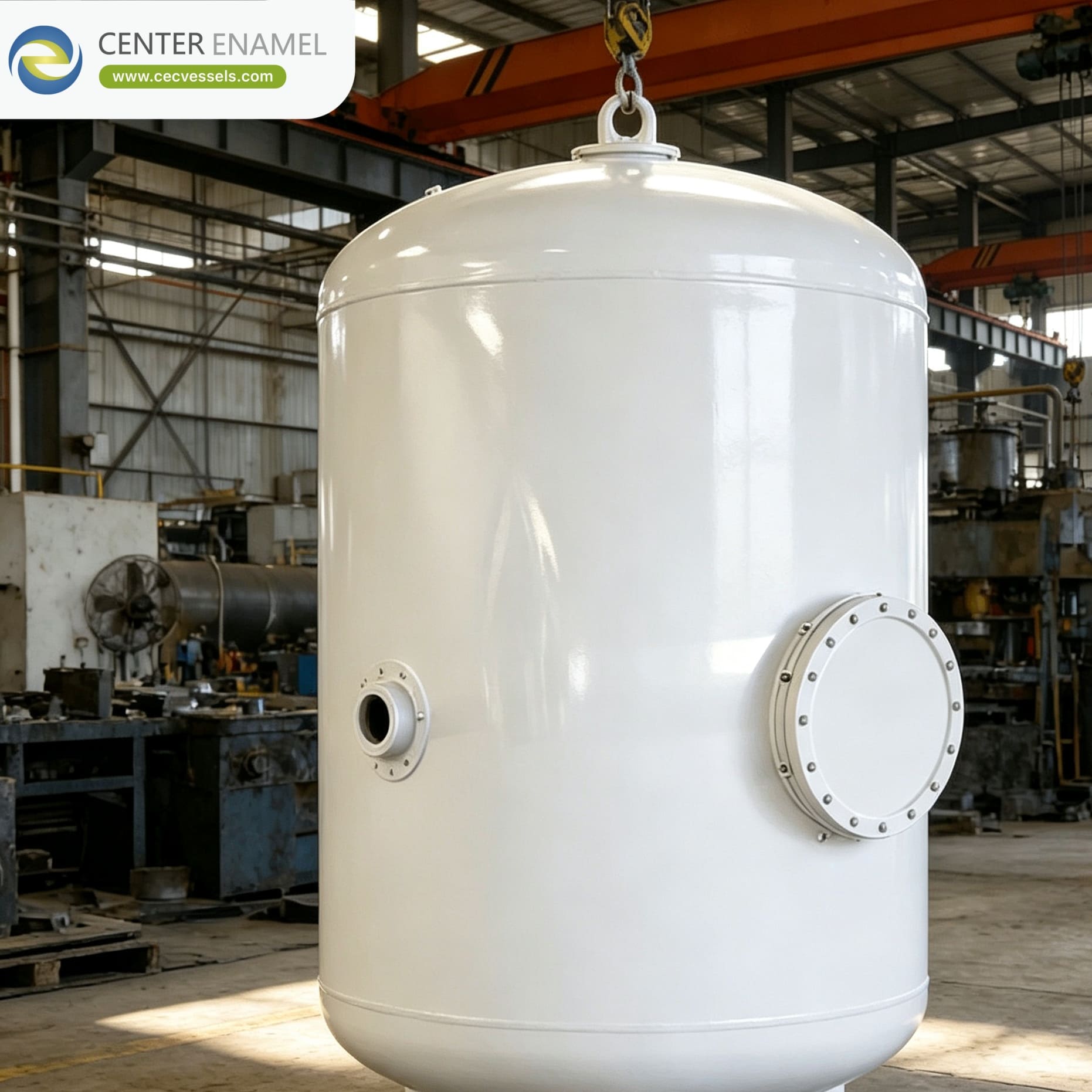
What Is an Evaporator in Chemical Engineering
An evaporator is industrial equipment used to remove part of a liquid solvent from a solution through evaporation. In chemical engineering, its primary purpose is to concentrate a liquid product by converting a portion of the solvent into vapor while retaining most nonvolatile substances in the remaining liquid. The meaning of evaporatoris closely related to thermal separation and concentration. These systems are widely used in chemical manufacturing, wastewater treatment, food processing, pharmaceutical production, and other industries that handle liquid mixtures. A typical evaporator includes a heat transfer section, a vapor-liquid separation section, and associated piping and control equipment. Depending on the process requirements, the vapor may be condensed for recovery, reused as a heating medium, or directed to another treatment stage. How Does the Evaporator Process Work?The evaporator processinvolves transferring heat to a liquid mixture so that part of its volatile component changes from liquid into vapor. Water is the most common solvent in many industrial applications, although other suitable solvents can also be processed. 1. Feed Liquid IntroductionThe process begins when the feed liquid enters the evaporator. The feed may contain dissolved salts, chemical compounds, suspended solids, or other materials that need to remain in the concentrated product. Before entering the equipment, the liquid may undergo filtration or other pretreatment, depending on its composition and the selected evaporator design. 2. Heat Transfer and EvaporationA heating medium, such as steam or a suitable thermal fluid, transfers energy to the process liquid through a heat transfer surface. As the liquid reaches the required evaporation conditions, part of the solvent vaporizes. The amount of liquid evaporated depends on the heat input, feed flow rate, boiling characteristics, and heat transfer area. Proper process design helps achieve the required concentration while maintaining stable operating conditions. 3. Vapor and Liquid SeparationThe generated vapor moves into a separation chamber or vapor-liquid separator. This section helps separate entrained liquid droplets from the vapor stream. The concentrated liquid remains in the process equipment or moves toward the product outlet, depending on the system configuration. The vapor can then be condensed, recovered, or reused where appropriate. 4. Concentrated Product CollectionThe remaining liquid contains a higher concentration of dissolved or suspended nonvolatile substances. It is collected as the concentrated product and transferred to storage or downstream processing equipment. This chemical evaporationprocess can reduce liquid volume, increase product concentration, and support subsequent operations such as crystallization or material recovery. Main Types of Chemical EvaporatorsDifferent chemical evaporatorsare designed to accommodate different liquid properties, production capacities, and energy requirements. The appropriate configuration depends on viscosity, heat sensitivity, solids content, and the desired concentration level. Single-Effect EvaporatorsA single-effect evaporator uses one main evaporation stage. The heating medium supplies the energy required to vaporize part of the solvent, and the generated vapor is separated from the concentrated liquid. This configuration has a relatively straightforward process layout and can be suitable for small or medium-scale production, batch processing, and applications where a single evaporation stage meets the required capacity. Multiple-Effect EvaporatorsA multiple-effect evaporator contains two or more evaporation stages. Vapor generated in one effect provides heating energy for another effect, allowing thermal energy to be reused. Compared with a single-effect system, a properly designed multiple-effect arrangement can reduce external steam consumption per unit of evaporated solvent. The number of effects depends on the required production capacity, available utilities, temperature conditions, and project economics. Multiple-effect evaporatorsare commonly considered for continuous industrial concentration processes where energy utilization is an important design factor. Falling Film EvaporatorsA falling film evaporator distributes liquid over the internal surfaces of vertical heat transfer tubes. The liquid flows downward as a thin film while heat passes through the tube walls, causing part of the solvent to evaporate. This design offers efficient heat transfer and relatively short liquid residence times. It can be suitable for certain heat-sensitive materials and liquids with appropriate flow characteristics. Forced Circulation EvaporatorsA forced circulation evaporator uses a pump to move process liquid through the heat exchanger and evaporation chamber. The circulating flow helps maintain liquid movement across heat transfer surfaces. This configuration is often considered for concentrated solutions, viscous liquids, and process streams containing solids, depending on their specific properties. The final design should account for circulation rate, heat transfer requirements, and product characteristics. Mechanical Vapor Recompression EvaporatorsA mechanical vapor recompression evaporator recovers generated vapor and uses a compressor to increase its temperature so that it can provide heating energy for continued evaporation. This approach recycles thermal energy within the system and can reduce the need for external steam. Electricity consumption, compressor selection, feed characteristics, and operating conditions should all be considered when evaluating this technology. Applications of Evaporator Chemistry in IndustryEvaporator chemistryinvolves applying evaporation principles to liquid mixtures with different chemical compositions and processing objectives. Equipment selection must reflect the properties of the feed and the required product quality. Chemical ManufacturingChemical plants use evaporators to concentrate aqueous solutions, recover solvents, and prepare intermediate products for further processing. Depending on the application, the equipment may handle inorganic salts, organic compounds, or other process liquids. Material selection and operating conditions should match the chemical composition and temperature requirements of the feed. Industrial Wastewater TreatmentIndustrial wastewater may contain dissolved salts and other nonvolatile substances. Evaporation removes part of the water, producing a concentrated liquid stream that can be directed to additional treatment or recovery operations. A suitable evaporation system can also reduce the volume of liquid requiring subsequent processing. The final arrangement depends on wastewater composition and the intended treatment route. Food and Beverage ProcessingFood processing facilities use evaporators to concentrate products such as fruit juices, dairy ingredients, and liquid food extracts. Falling film and multiple-effect technologies may be considered according to product viscosity, temperature sensitivity, and production requirements. The selected system should support the required product consistency and applicable hygiene standards. Pharmaceutical and Fine Chemical ProductionPharmaceutical and fine chemical manufacturers may use evaporation to concentrate process solutions or recover suitable solvents. Accurate control of temperature, residence time, and final concentration helps support consistent production. Equipment materials and cleaning arrangements should be selected according to the product formulation and applicable manufacturing requirements. Water Desalination and Salt RecoveryEvaporation can also support water desalination by separating water from dissolved salts. The generated vapor can be condensed to produce recovered water, while the remaining liquid becomes more concentrated. In salt recovery processes, further concentration may prepare the solution for crystallization and subsequent solid-liquid separation. What Factors Should Be Considered When Selecting an Evaporator?Choosing suitable chemical evaporatorsrequires an evaluation of the process, equipment, and operational requirements. First, identify the feed composition, including solvent content, dissolved solids, viscosity, and any components that may affect heat transfer. Second, define the required evaporation capacity and final product concentration. These values help determine the heat transfer area, circulation arrangement, and number of evaporation stages. Third, evaluate the thermal properties of the material. Heat-sensitive products may benefit from designs that provide shorter residence times or suitable operating temperatures. Fourth, compare energy sources and recovery opportunities. Multiple-effect evaporation and mechanical vapor recompression may improve energy utilization when they fit the project's operating conditions. Finally, consider construction materials, automation, maintenance access, equipment dimensions, and integration with existing production lines. A coordinated evaluation helps ensure that the selected system meets both process and installation requirements. Industrial Evaporation Solutions from Center EnamelCenter Enamel provides industrial equipment solutions for process applications involving liquid treatment, concentration, and related equipment integration. When planning an evaporation project, it is important to establish the feed characteristics, required output, energy supply, and downstream processing requirements before determining the system configuration. Understanding what evaporators areand how different designs operate helps engineering teams compare available technologies and select equipment suited to their applications. From single-effect systems to multiple-effect and vapor recompression configurations, the appropriate evaporatorcan support liquid concentration, solvent recovery, and water treatment across a wide range of industrial processes. Careful equipment selection and process planning provide a foundation for reliable operation and efficient resource utilization.
|