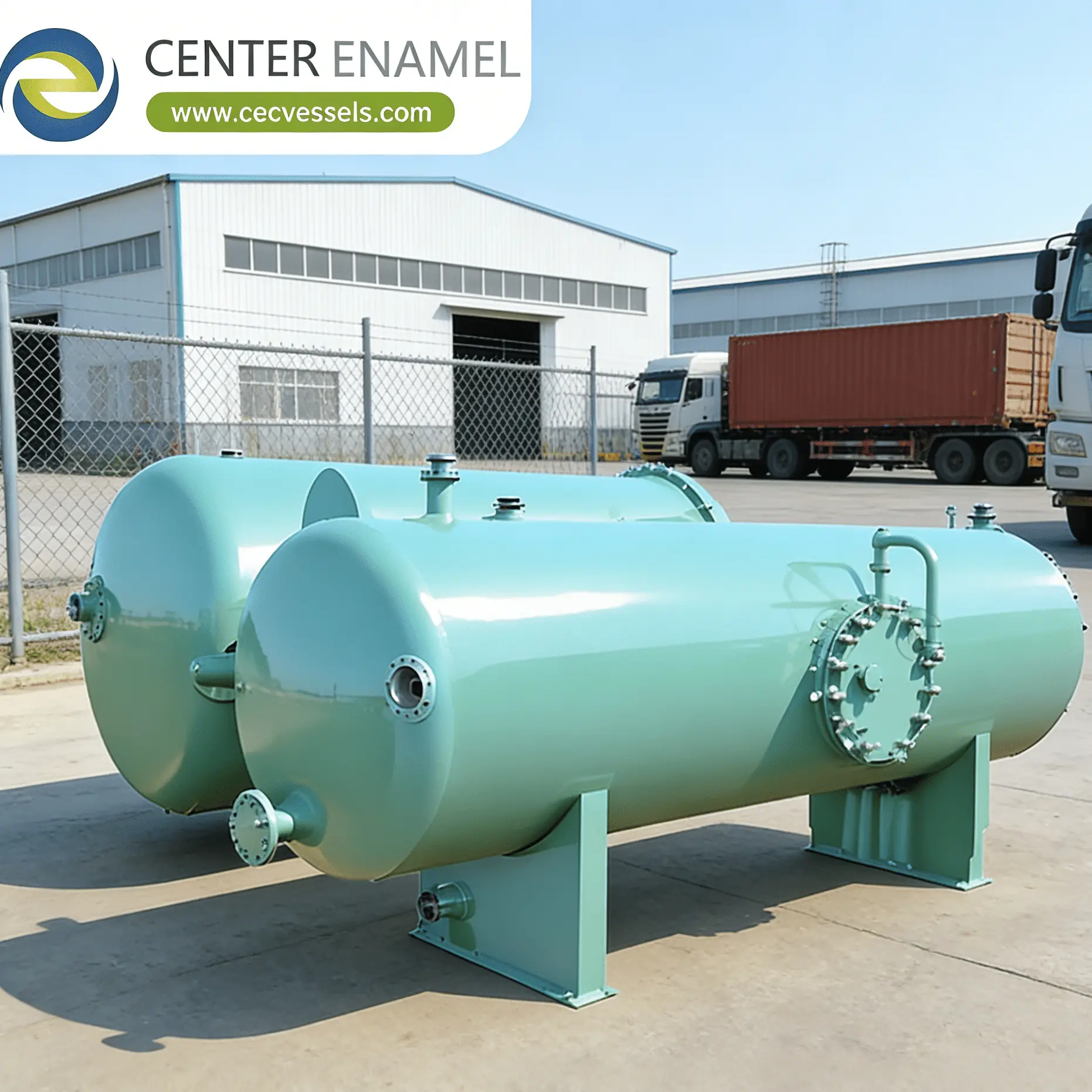
What Is an Industrial Fixed Bed Reactor?
An industrial fixed bed reactor is a type of continuous reactor designed to process reactants through a stationary reactor bed. In a typical system, solid catalyst particles are packed inside a vessel or tubular reactor, while gas or liquid reactants continuously pass through the bed. This design is widely used in chemical processing, petrochemical production, environmental applications, and other industrial processes where continuous reaction is required. What Is a Fixed Bed Reactor?A fixed bed reactor is a reactor in which solid particles, usually catalysts or biological media, remain stationary inside the reactor vessel. The packed material forms the reactor bed, creating a large surface area for interaction between the feed stream and the active material. Unlike a stirred reactor, the catalyst or packing material in a fixed bed reactor does not normally move with the process stream. Instead, the feed flows through the spaces between the particles. During this process, the reactants contact the active surface of the catalyst, allowing the desired chemical or biological reaction to take place. Fixed bed reactors can be designed for gas-phase, liquid-phase, or gas-liquid processes. Their relatively straightforward structure makes them suitable for both laboratory-scale research and larger industrial production systems. How Does an Industrial Fixed Bed Reactor Work?The working principle of an industrial fixed bed reactor is based on continuous flow through a stationary reactor bed. First, the raw material is introduced into the reactor through a controlled feed system. Depending on the process, the feed may be a gas, liquid, or combination of different phases. The feed then enters the reactor and flows through the packed bed. As the reactants move through the reactor bed, they come into contact with the catalyst or other active packing material. Chemical reactions occur at the available active sites, converting the feed components into the required products. After passing through the reactor bed, the product stream leaves the reactor and may continue to downstream equipment such as condensers, separators, coolers, or collection vessels. Industrial fixed bed systems can also include feed pumps, flow controllers, heating or cooling equipment, temperature sensors, and control systems. These components work together to maintain consistent operating conditions and support stable continuous processing. What Is a Reactor Bed?The reactor bed is one of the most important parts of a fixed bed reactor. It refers to the stationary layer of solid material packed inside the reactor. In catalytic applications, the reactor bed normally contains catalyst particles. The catalyst provides active surfaces where chemical reactions can occur. The size, shape, material, and arrangement of the particles can influence how the feed moves through the reactor and how effectively it contacts the catalyst. The reactor bed can be designed according to the specific process requirements. Factors such as catalyst type, particle size, bed height, feed characteristics, and desired production capacity can all influence the reactor configuration. For biological applications, the bed may contain suitable media that supports microorganisms. In this case, the term fixed bed bioreactor is often used. What Is a Fixed Bed Bioreactor?A fixed bed bioreactor is a specialized type of fixed bed system used for biological processes. Instead of relying only on a conventional chemical catalyst, the reactor can contain immobilized microorganisms or biological support media. The microorganisms grow on or attach to the surface of the packing material. When the liquid feed passes through the reactor bed, the microorganisms interact with the organic compounds or other substances in the feed. Fixed bed bioreactors can therefore provide a continuous environment for biological conversion. They are used in areas such as wastewater treatment, biotechnology, fermentation-related processes, and other biological applications. The packing material is particularly important because it provides the surface needed for microorganism attachment and helps maintain the biological reactor bed. Main Components of an Industrial Fixed Bed ReactorAlthough fixed bed reactor designs vary according to application, a typical industrial system may include several major components. The reactor vessel is the main body that contains the reactor bed. It can be manufactured in different shapes and materials according to the process requirements. The catalyst support or internal distribution system helps hold the packed material in the correct position. Feed distributors are also commonly used to help distribute the incoming stream across the reactor bed. The feed system controls the amount of material entering the reactor. Pumps, valves, flow meters, and other equipment may be used to provide a consistent feed rate. Temperature control equipment may also be incorporated when the reaction requires heating or cooling. Depending on the design, this can include jackets, external heating systems, heat exchangers, or other thermal control equipment. At the outlet, downstream equipment can collect, cool, separate, or further process the reaction products. Industrial Applications of Fixed Bed ReactorsIndustrial fixed bed reactors are used in many different sectors because they are well suited to continuous catalytic and biological processes. In the chemical industry, fixed bed reactors can be used for catalytic conversion, oxidation, hydrogenation, and other chemical reactions. In petrochemical processing, they are used in processes associated with refining and hydrocarbon conversion. Fixed bed technology is also used for catalyst evaluation and process development. In energy-related applications, fixed bed reactors can support fuel processing, biomass conversion, and synthetic fuel production. Some configurations are also used for catalytic processes related to hydrogen production. Environmental applications represent another important area. Fixed bed systems can be adapted for biological treatment or catalytic treatment depending on the composition of the process stream. For research and development, smaller fixed bed reactors allow engineers and researchers to evaluate catalysts, study reaction behavior, and collect process data before developing larger industrial systems. Advantages of an Industrial Fixed Bed ReactorOne important advantage of a fixed bed reactor is its continuous operating mode. Reactants can be continuously introduced while products are continuously removed, making the configuration suitable for ongoing industrial processing. Another advantage is the stationary catalyst arrangement. Because the catalyst remains inside the reactor bed, the system can provide consistent contact between the process stream and the catalyst surface. The compact structure of many fixed bed reactors also makes them practical for industrial installations. A tubular configuration can provide an extended contact path while maintaining a relatively straightforward reactor design. Fixed bed reactors can also be scaled for different applications. Laboratory units, pilot systems, and industrial reactors can use similar basic operating principles while being adapted to different capacities and process conditions. For these reasons, fixed bed reactor technology remains an established option for continuous chemical and biological processing. Fixed Bed Reactor vs. Other Reactor TypesFixed bed reactors differ from stirred tank reactors mainly in how the catalyst and reactants are handled. In a stirred tank reactor, the contents are mixed continuously, and the catalyst may be suspended in the reaction mixture depending on the process. In a fixed bed reactor, the catalyst remains stationary while the feed flows through the reactor bed. A fixed bed reactor also differs from a fluidized bed reactor. In a fluidized bed system, solid particles are suspended and move within the reactor as the process stream passes through them. In a fixed bed system, the particles remain packed in a defined location. The choice between these reactor types depends on the reaction characteristics, catalyst properties, feed composition, required capacity, and overall process design. Key Factors in Fixed Bed Reactor DesignWhen designing an industrial fixed bed reactor, engineers consider several factors. The first is the catalyst or packing material. Its chemical properties, particle size, shape, and required quantity can affect reactor performance. The reactor bed dimensions are also important. Bed height and diameter influence the available reaction area and the movement of the process stream. Feed distribution is another key consideration. The incoming material should be distributed appropriately across the reactor bed so that the available catalyst can be used effectively. Temperature management may also be required for processes that are sensitive to temperature changes. Appropriate heating or cooling arrangements can help maintain the desired reaction environment. Material selection is determined by the process medium, operating temperature, chemical compatibility, and expected service conditions. Choosing the Right Fixed Bed ReactorSelecting an industrial fixed bed reactor requires an understanding of the complete process rather than only the reactor vessel itself. Important information includes the feed composition, flow rate, reaction type, catalyst characteristics, desired production capacity, temperature range, and required residence time. For a fixed bed bioreactor, additional information about microorganisms, biological media, organic loading, liquid characteristics, and treatment objectives may be needed. A properly designed reactor bed should match the catalyst or biological media and provide suitable contact between the feed and active material. The feed system, temperature control system, product collection equipment, and instrumentation should also be considered as part of the complete reactor system. Fixed Bed Reactors for Continuous Industrial ProcessingAn industrial fixed bed reactor provides a practical structure for continuous chemical and biological processing. By keeping the catalyst or active media stationary and allowing the process stream to flow through the reactor bed, it creates a controlled environment for conversion. From chemical manufacturing and petrochemical processing to environmental treatment and biotechnology, fixed bed technology can be adapted to many applications. Understanding the reactor bed, feed system, catalyst characteristics, and process requirements is essential when selecting or designing a suitable system. With appropriate engineering and process integration, fixed bed reactors can provide a reliable platform for continuous production and scalable industrial applications.
|