What Is an Oxidation Reactor?
Modern industrial processes and municipal utilities constantly seek better ways to manage water resources and treat liquid streams. Among the various technologies developed over the decades, the oxidation reactor stands out as a fundamental component in advanced fluid treatment. These specialized vessels are engineered to bring specific reactants into close contact with target compounds, initiating chemical reactions that break down complex molecules into simpler, harmless components.
Understanding the core definition of an oxidation reactor requires looking at both its structural design and its operational purpose. At its most basic level, an oxidation reactor provides a controlled environment where oxidation agents—such as ozone, hydrogen peroxide, or air—can interact with dissolved or suspended impurities. By optimizing temperature, mixing patterns, and residence time, these systems ensure that the chemical reactions proceed smoothly and thoroughly. As industries grow more conscious of environmental stewardship and resource recovery, the role of the oxidation reactor continues to expand across multiple sectors, including municipal wastewater treatment, agricultural management, and general industrial processing.
The Fundamental Science Behind Oxidation
To fully appreciate what an oxidation reactor does, one must examine the chemistry that drives it. Oxidation is a chemical process involving the loss of electrons by a molecule, atom, or ion. In the context of fluid treatment, this process alters the chemical structure of target pollutants, rendering them less harmful, easier to precipitate, or completely mineralized into carbon dioxide and water.
Traditional oxidation methods often relied on ambient basins or long retention ponds where oxygen from the atmosphere slowly dissolved into the water. While simple, these legacy methods were slow, spatially demanding, and largely ineffective against stubborn synthetic compounds. Modern oxidation reactors revolutionize this concept by introducing concentrated oxidizers under carefully managed conditions. When powerful oxidizers like ozone are introduced into a specialized reactor vessel, they generate highly reactive radical species. These radicals possess a tremendous capacity to break apart resilient chemical bonds that would otherwise persist through conventional filtration stages.
Core Design Components and Features
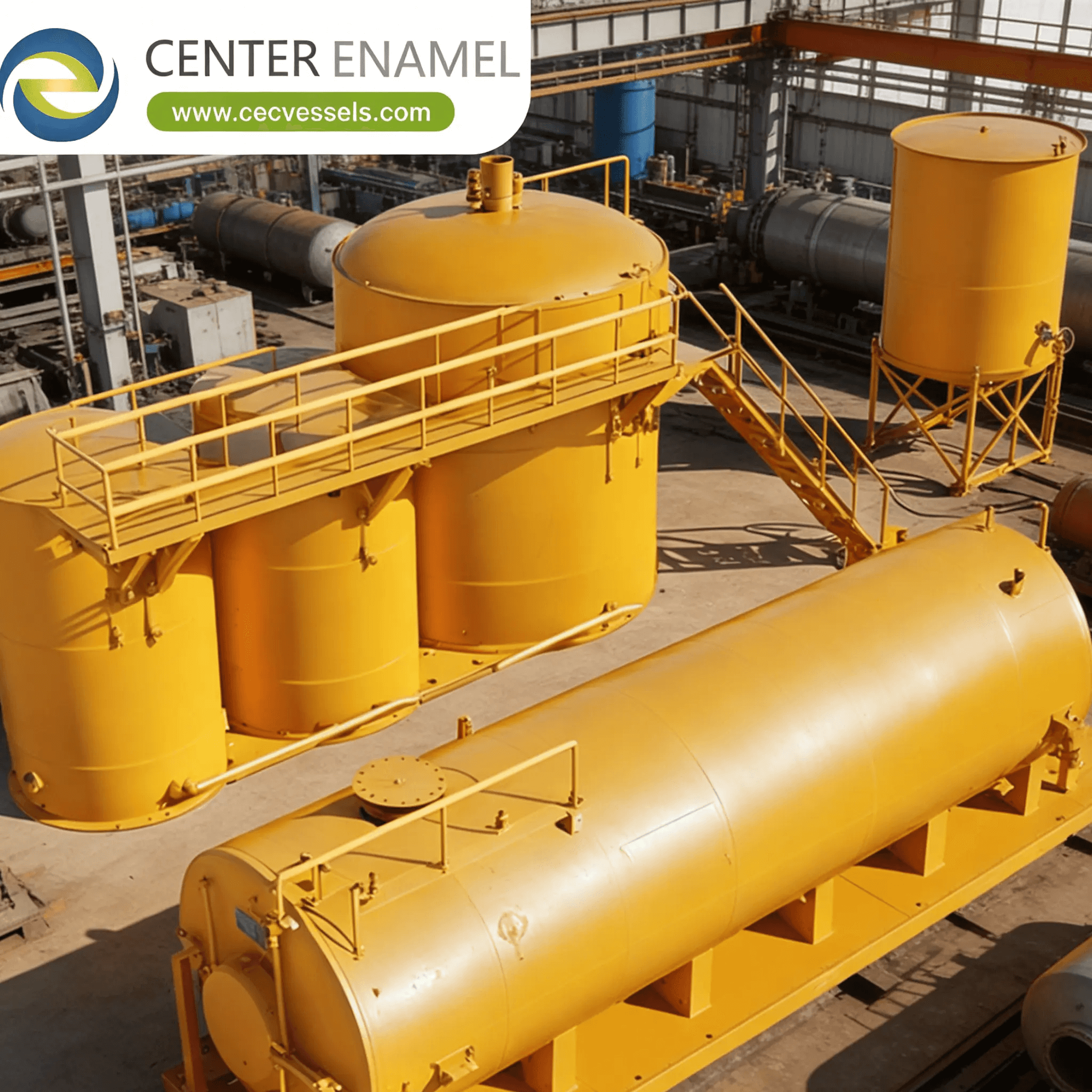
An efficient oxidation reactor is much more than a simple storage tank; it is a meticulously engineered system of valves, injectors, mixing elements, and containment structures. Several key design features typically characterize these advanced units:
Controlled Environment Geometry
The physical shape of the reactor is optimized to promote uniform fluid flow and prevent dead zones where liquid might stagnate. Smooth internal contours and specialized baffling help direct the flow path, ensuring that every drop of liquid receives equal exposure to the treatment agents.
Advanced Mixing Mechanisms Contact efficiency is everything in chemical processing. Modern oxidation reactors often incorporate multi-directional agitation, specialized static mixers, or dynamic internal structures. These elements create high turbulence on a micro-scale, enhancing mass transfer rates between the gaseous phase, liquid phase, and any suspended particles.
Gas-Liquid Contact Optimization When gases like ozone are utilized, achieving a high surface area for gas transfer is vital. Advanced reactor designs break the gas down into microbubbles. These microscopic bubbles dramatically increase the interfacial surface area between the gas and the liquid, allowing for rapid and complete dissolution of the oxidizer.
Scalability and Material Durability Because oxidation environments can be chemically active, reactors are constructed from corrosion-resistant materials such as specialized stainless steels, high-grade polymers, or coated composites. Furthermore, these units are designed to be scalable, ranging from compact modules for localized industrial skid mounts to massive municipal installations capable of processing thousands of cubic meters per day.
Operational Advantages in Modern Applications
The adoption of advanced oxidation reactors brings numerous technical and economic benefits to facility operators. Chief among these advantages is the significant reduction in fluid residence time. In older treatment frameworks, chemical reactions required hours of retention to reach completion. A well-designed oxidation reactor accelerates these kinetics drastically, often shortening contact requirements to mere minutes or even seconds. This rapid processing capability means that smaller equipment footprints can handle larger volumes of fluid, saving valuable physical space at plant sites.
Another major benefit is operational efficiency. By maximizing the utilization of the oxidant—such as maintaining high ozone concentrations in a microbubble state—the system ensures that fewer raw consumables are wasted. This translates directly to lower operating expenditures over the lifespan of the equipment. Additionally, many modern oxidation reactors are engineered for seamless integration into automated facility networks. Operators can monitor performance parameters, adjust flow rates, and track maintenance indicators through digital interfaces, ensuring consistent performance with minimal manual oversight.
Diverse Sector Applications
Oxidation reactors find utility across a broad spectrum of industries where fluid purification is paramount.
Municipal Wastewater Treatment Communities around the world face the challenge of upgrading aging infrastructure to handle complex modern pollutants. Oxidation reactors are frequently deployed in municipal plants to address persistent organic compounds, color bodies, microscopic pathogens, and unwanted odors. By breaking down these complex burdens before final discharge or reuse, these reactors help municipalities meet stringent environmental compliance standards.
Industrial and Manufacturing Facilities Industrial manufacturing processes often generate wastewater laden with specialized oils, emulsified compounds, and specific chemical byproducts. An oxidation reactor provides a robust mechanism to crack these complex emulsions and alter target constituents into forms that can be easily separated or rendered inert. This allows factories to recycle a larger percentage of their internal process water, thereby lowering overall freshwater consumption.
Agricultural Operations Large-scale agricultural facilities and livestock operations produce significant volumes of nutrient-rich water that require careful management. Oxidation reactors assist in breaking down organic loads, reducing biological oxygen demand, and addressing specific odor-causing compounds, contributing to cleaner operational cycles and better environmental stewardship.
Integration with Complementary Technologies An oxidation reactor rarely operates in absolute isolation. In most comprehensive fluid treatment schemes, it functions as a central link within a multi-stage train of technologies. For instance, an oxidation reactor is frequently paired with initial physical separation units, such as media filters or dissolved air flotation systems, which remove larger suspended solids upfront. By clearing out gross particulate matter first, the fluid entering the oxidation reactor is cleaner, allowing the chemical oxidation step to focus entirely on dissolved and reactive contaminants without interference.
Following the oxidation stage, fluids may pass through polishing steps such as advanced membrane filtration or activated carbon adsorption to capture any remaining trace fractions. This holistic approach ensures that each technology in the treatment train performs the task it is best suited for, culminating in an overall process that is reliable, robust, and economically viable. Maintenance, Safety, and Best Practices Ensuring the long-term reliability of an oxidation reactor requires adherence to established maintenance schedules and operational best practices. Although modern reactors are designed for durability and low maintenance—often featuring self-cleaning attributes or streamlined internal geometries—routine inspections remain essential. Operators should regularly check sealing components, verify the integrity of gas injection nozzles, and calibrate monitoring sensors to maintain peak performance.
Safety is another critical consideration in any facility utilizing reactive gases or specialized chemical processes. Proper ventilation, reliable gas-detection alarms, and comprehensive operator training programs form the foundation of a safe working environment. By adhering strictly to manufacturer guidelines and maintaining a proactive approach to equipment upkeep, facility managers can prevent unexpected downtime and ensure continuous, dependable operation for many years.
Future Trends in Oxidation Reactor Technology As engineering practices evolve, the design and application of oxidation reactors continue to see continuous innovation. Researchers and manufacturers are exploring new ways to enhance mass transfer efficiency further, reduce energy consumption, and integrate smart automation features.
One notable trend is the integration of Internet of Things (IoT) sensors and remote monitoring capabilities. Modern plant operators increasingly demand the ability to track reactor performance metrics in real-time from mobile devices or central control rooms. This data-driven approach allows for predictive maintenance, quick troubleshooting, and automated adjustments to changing fluid compositions. Furthermore, ongoing developments in materials science promise even more resilient internal surfaces that can withstand harsh chemical environments with virtually zero degradation.
The oxidation reactor remains a cornerstone of advanced fluid treatment and environmental engineering. By providing a controlled, highly reactive environment that accelerates chemical destruction, these vessels transform how industries and municipalities handle complex water challenges. Through thoughtful design, efficient gas-liquid contact, and seamless integration with complementary technologies, the oxidation reactor delivers high-capacity performance, reduced footprints, and lasting economic value for modern operations across the globe.
|