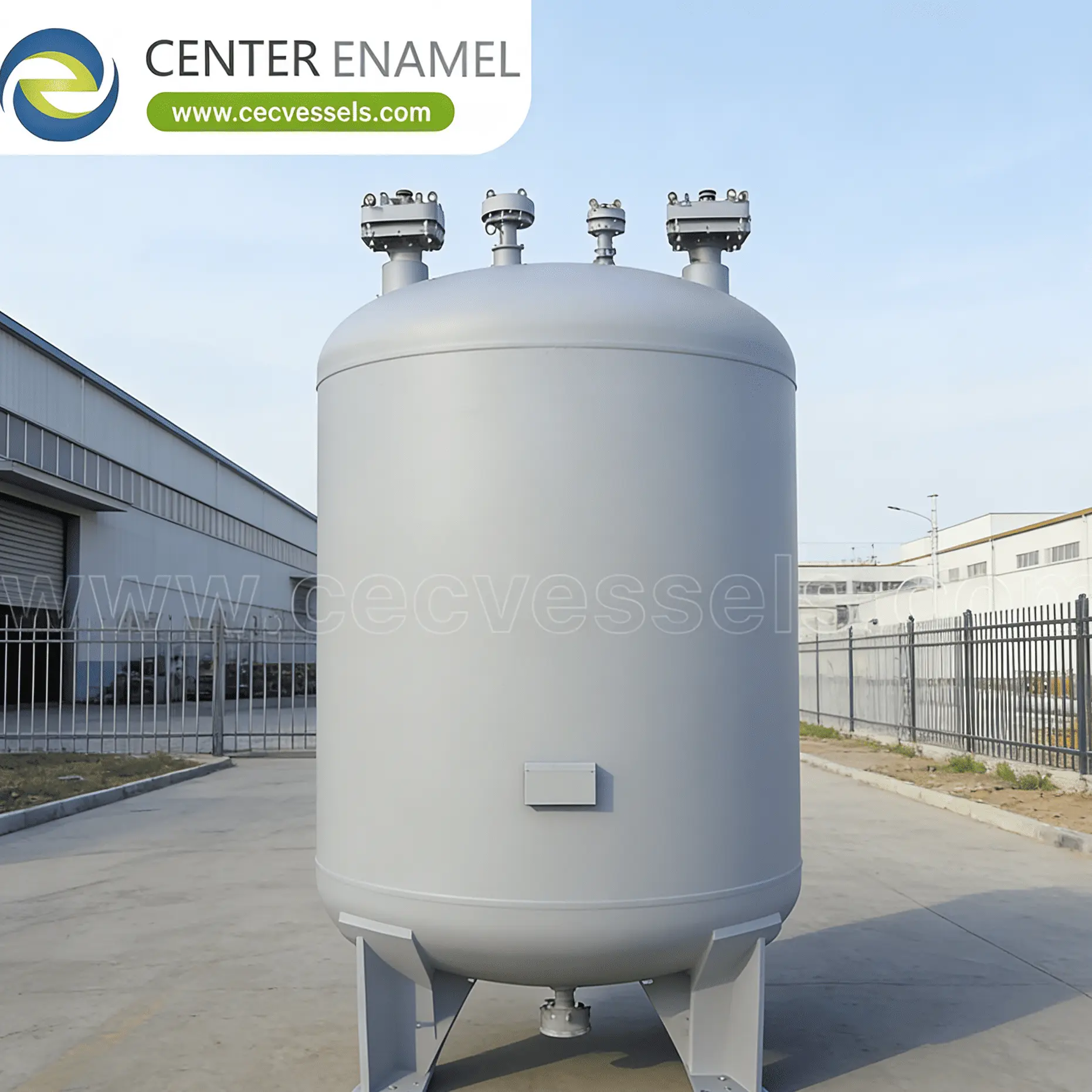
What Is Shell and Tube in a Heat Exchanger
At its heart, a shell and tube heat exchanger relies on thermal conduction and convection. Heat naturally moves from a warmer substance to a cooler substance. By keeping the two fluids separated by solid metallic walls, the device allows thermal energy to transfer without the fluids mixing together. This separation is crucial for maintaining purity and safety in process engineering.
The primary function of any shell and tube type heat exchangers is to either cool down a hot process fluid or heat up a cold fluid using available utility streams. Because of their modular construction and adaptability, these units can handle massive flow rates and large temperature ranges with remarkable stability and dependable thermal performance.
Key Components of a Shell and Tube Heat Exchanger
To truly appreciate how a shell heat exchanger operates, one must look closely at its physical components. Each part plays a specific role in ensuring smooth fluid flow, optimal heat transfer, and long-term mechanical integrity.
The Shell
The shell forms the outer enclosure of the assembly. It is typically cylindrical in shape and fabricated from rolled metal plates or pipes. The shell houses the tube bundle and directs the shell-side fluid from the inlet nozzle to the outlet nozzle. It must be robust enough to contain the fluid and withstand operating temperatures consistently.
The Tube Bundle
Inside the shell lies the tube bundle, which is the heart of the heat transfer process. The bundle consists of numerous parallel tubes made of metals such as copper, stainless steel, titanium, or brass. The choice of material depends on thermal conductivity and compatibility with the operating fluids.
Tube Sheets
Tube sheets are thick, perforated metal discs located at each end of the shell. The tubes are inserted into these holes and securely fastened, usually by rolling or welding, to prevent any leakage between the shell side and the tube side. The tube sheets hold the entire tube bundle securely in position.
Baffles
Baffles are metal plates placed at regular intervals inside the shell. Their main purpose is to direct the flow of the shell-side fluid back and forth across the tube bundle. This cross-flow action increases turbulence, which significantly enhances the overall heat transfer coefficient and prevents stagnant zones.
Channels and Bonnets
Channels or bonnets are attached to the ends of the shell and tube heat exchanger to direct the fluid entering and leaving the tubes. A front channel might have partitions to route the fluid through multiple passes, increasing the residence time and heat transfer efficiency.
Detailed Working Principles
The operation of a shell and tube heat exchanger is governed by fluid dynamics and thermodynamics. Two distinct fluid streams interact within the unit: the tube-side fluid and the shell-side fluid.
Fluid Flow Arrangements
There are different flow configurations available in shell and tube type heat exchangers, each offering distinct advantages depending on operational requirements.
Parallel Flow: Both the hot and cold fluids enter the exchanger at the same end and travel in the same direction. While straightforward, it results in a lower average temperature difference compared to other methods.
Counter Flow: The fluids enter from opposite ends and flow in opposite directions. This arrangement provides the highest thermal efficiency and allows for maximum heat recovery because the temperature profile remains favorable throughout the length of the tubes.
Cross Flow: In certain designs, fluid streams intersect perpendicularly, often enhanced by the presence of baffles inside the shell to promote uniform mixing.
Number of Tube Passes
To optimize heat transfer, engineers can design exchangers with single or multiple tube passes. In a single-pass unit, the fluid travels straight through the tubes from one end to the other. In a multi-pass unit, partition plates in the channel heads force the fluid to reverse direction and flow through the tube bundle multiple times. This increases the fluid velocity, improves heat transfer efficiency, and reduces the required physical footprint of the equipment.
Detailed Exploration of Shell and Tube Heat Exchangers
As we delve deeper into the mechanical and thermal characteristics of these devices, we uncover why they remain the industry standard. Their design flexibility allows engineers to customize surface areas, tube diameters, and pass configurations to meet exact thermal loads.
Material Selection and Thermal Conductivity
Selecting the right materials for a shell and tube heat exchanger is vital for long-term reliability. The choice depends heavily on the chemical properties of the working fluids. For instance, corrosive liquids require titanium or specialized stainless steel alloys, whereas clean water applications can utilize copper-nickel or carbon steel. High thermal conductivity ensures that heat passes rapidly through the tube walls, minimizing energy loss.
The Role of Baffle Design in Fluid Dynamics
Baffles do much more than simply hold tubes in place; they dictate the flow pattern within the shell. By forcing the fluid to flow transversely across the tubes rather than longitudinally, baffles create beneficial turbulence. This turbulence disrupts the thermal boundary layer on the outer surface of the tubes, allowing more heat to transfer in a shorter distance. Engineers carefully calculate baffle spacing and cut percentages to optimize fluid flow and thermal performance.
Applications Across Industries
Shell and tube heat exchangers are ubiquitous in modern industry due to their reliability and scalability. They serve numerous functions across diverse sectors.
Power Generation
In power plants, these units are essential for condensing steam from turbines, cooling generator lubricants, and preheating boiler feed water. Their ability to manage large volumes of water and steam makes them indispensable for efficient energy conversion.
Chemical and Petrochemical Processing
Chemical plants rely heavily on shell and tube heat exchangers to control temperatures during chemical reactions, cool down product streams before storage, and recover waste heat from hot effluents. Their robust construction handles diverse chemical compositions effectively.
HVAC and Refrigeration
Large commercial buildings, district cooling systems, and industrial refrigeration plants use shell and tube type heat exchangers as condensers and evaporators. They facilitate the heat rejection and absorption cycles necessary for climate control and cold storage.
Marine and Offshore Engineering
Ships and offshore platforms utilize seawater-cooled heat exchangers to cool engine jacket water, lubricating oils, and hydraulic fluids. Corrosion-resistant materials like cupro-nickel ensure longevity even in marine environments.
Manufacturing and Industrial Processes
From metal processing and pulp-and-paper mills to food and beverage production, temperature regulation is crucial. Shell and tube units provide steady thermal control across batch and continuous manufacturing lines.
Design Considerations and Engineering Practices
Designing an efficient shell and tube heat exchanger requires balancing multiple engineering parameters. The goal is to achieve maximum thermal effectiveness while ensuring mechanical durability and ease of maintenance.
Thermal Rating and Sizing
Engineers use specialized software and fundamental heat transfer equations to determine the required surface area, tube length, and shell diameter. Factors such as specific heat capacity, mass flow rates, inlet and outlet temperatures, and fouling factors are all factored into the mathematical model.
Expansion and Thermal Stress
When fluids experience significant temperature changes, metal components expand or contract. Fixed tube sheet designs must account for thermal expansion, sometimes incorporating an expansion joint on the shell to prevent undue mechanical stress on the tube-to-tubesheet joints. Alternatively, floating head designs allow the tube bundle to expand freely inside the shell without restrictions.
Maintenance and Cleaning Accessibility
Over time, deposits, scaling, or biological growth can accumulate on tube surfaces, reducing heat transfer efficiency. Regular maintenance is essential. Exchangers with removable tube bundles or U-tube configurations allow maintenance personnel to clean the inside of tubes and inspect the bundle thoroughly. Cleaning methods include mechanical brushing, chemical cleaning, and gentle water flushing.
Advantages of Shell & Tube Heat Exchangers
The enduring popularity of the shell and tube heat exchanger stems from several key benefits that set it apart from other heat transfer technologies.
Robust Mechanical Construction
The cylindrical geometry and thick metallic walls provide inherent structural strength. This robustness allows the units to operate reliably over extended periods under continuous industrial duty cycles.
Scalability and Versatility
These exchangers can be manufactured in virtually any size, from small compact units for laboratory use to massive industrial giants weighing several tons. They accommodate a wide range of temperatures and fluid types, from gases and viscous oils to light liquids.
Easy Servicing and Repair
Standardized components and modular construction mean that maintenance technicians can easily replace worn tubes, clean fouled surfaces, or swap out gaskets without needing entirely new equipment.
Cost-Effectiveness
Due to standardized manufacturing processes and widespread availability of materials, shell and tube units offer an economical solution for large-scale thermal management.
Advanced Thermal Design Insights
Further exploring the intricate engineering behind these devices reveals the importance of optimization in thermal network design. Engineers continuously refine shell and tube configurations to minimize pumping power while maximizing thermal duty. By carefully analyzing fluid viscosity, velocity profiles, and thermal resistance across the boundary layers, designers can tailor each unit to precise specifications. This meticulous attention to detail ensures that every shell & tube heat exchanger operates at peak effectiveness throughout its lifecycle.
Furthermore, advancements in computational fluid dynamics have allowed researchers to visualize flow patterns inside the shell with unprecedented clarity. These simulations help in positioning baffles and support plates to avoid localized vibration and flow stagnation, resulting in smoother operation and extended equipment longevity. Such ongoing innovations reinforce the position of shell and tube heat exchangers as dependable workhorses in modern industrial engineering.
Future Trends and Sustainability in Heat Exchanging
As global industries increasingly focus on energy efficiency and sustainability, the role of thermal management equipment becomes even more critical. Shell and tube heat exchangers are being redesigned with advanced alloys and enhanced surface geometries to promote superior heat transfer rates with minimal energy input. Waste heat recovery systems, which heavily rely on these robust exchangers, enable facilities to capture thermal energy that would otherwise be lost to the environment. This recovered energy can then be redirected to preheat incoming process streams or utilized for district heating networks, significantly reducing overall fuel consumption and lowering greenhouse gas emissions.
The integration of smart monitoring technologies is also transforming how these units are operated and maintained. Sensors embedded within the shell and tube assemblies monitor temperature differentials, pressure drops, and flow rates in real time. Predictive maintenance algorithms analyze this continuous stream of data to detect early signs of fouling or mechanical wear, allowing facility operators to schedule cleaning or servicing before any performance degradation occurs. This proactive approach not only maximizes operational uptime but also extends the operational lifespan of the equipment, ensuring sustainable and reliable performance for decades to come.
The shell and tube heat exchanger remains a cornerstone of thermal engineering. By understanding its fundamental structure, comprising the shell, tube bundle, baffles, and tube sheets, engineers can harness its power for efficient thermal management. Whether applied in power generation, chemical processing, or HVAC systems, these devices exemplify simplicity, reliability, and enduring engineering excellence. As industrial technologies evolve, the shell and tube heat exchanger will undoubtedly continue to play a vital role in energy conservation and process optimization across the globe.
|