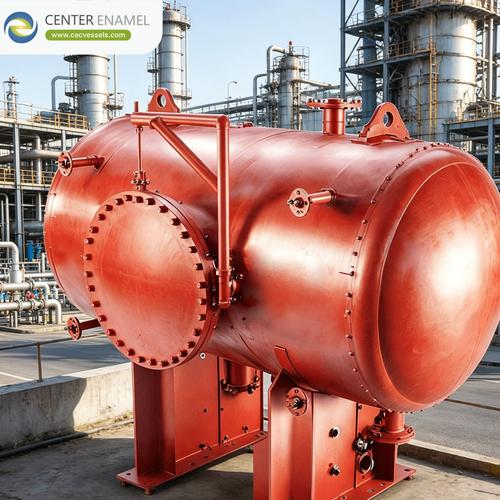
Steam methane reforming (SMR) is a process that produces hydrogen by reacting methane, commonly supplied as natural gas, with steam at elevated temperatures over a catalyst. The process produces a hydrogen-rich gas mixture that is further processed to meet the required hydrogen purity. In oil refineries, hydrogen is used in processes such as hydrotreating and hydrocracking to remove impurities and support the conversion of heavier petroleum fractions into more valuable products.
What Is Steam Methane Reforming?
Steam methane reforming is a widely used hydrogen production technology based on the reaction between methane and steam. In a typical SMR plant, a nickel-based catalyst promotes the reforming reaction, while heat supplied by a fired furnace provides the energy required for the endothermic reaction.
Natural gas is a common methane source, although the actual feed composition depends on the plant. Before entering the reformer, the feed generally undergoes pretreatment to remove sulfur compounds that could damage the reforming catalyst. Steam is then mixed with the treated feed, and the mixture is heated before entering catalyst-filled reformer tubes.
The primary product of the reforming reaction is synthesis gas, a mixture containing hydrogen and carbon monoxide, along with other components depending on operating conditions. Additional processing is normally required to increase hydrogen production and remove unwanted components.
SMR refers specifically to the steam reforming reaction and its associated reforming operation. A complete hydrogen production plant may also include feed pretreatment, steam generation, heat recovery, water-gas shift reactors, gas purification, and hydrogen compression.
How Does the SMR Process Work?
A typical SMR hydrogen production process consists of several connected stages. The precise configuration depends on feed composition, hydrogen demand, plant design, and the required product purity.
1. Natural Gas Feed Pretreatment
Natural gas supplies methane for the reforming reaction. Before entering the catalyst system, the feed is treated as necessary to remove sulfur compounds and other contaminants that could affect catalyst performance.
The pretreatment stage prepares the feed for reforming. Its design depends on the composition of the incoming gas and the requirements of the selected catalyst.
2. Steam Generation and Feed Preheating
Water is converted into steam and mixed with the treated methane-containing feed. The steam-to-carbon ratio is selected according to the process design, feed composition, catalyst requirements, and operating conditions.
Heat exchangers may recover energy from hot process streams to preheat the feed or generate steam. Effective heat integration reduces the amount of additional fuel required by the overall hydrogen production plant.
3. Steam Methane Reforming Reaction
The preheated feed enters catalyst-filled tubes inside a reformer furnace. The furnace supplies the heat needed for the endothermic reaction, while the catalyst promotes the conversion of methane and steam into hydrogen and carbon monoxide.
The main reforming reaction is:
CH4 + H2O ⇌ CO + 3H2
This reaction illustrates the formation of carbon monoxide and hydrogen from methane and steam. Actual plant performance depends on temperature, pressure, catalyst condition, feed composition, and the steam-to-carbon ratio.
4. Water-Gas Shift Reaction
The gas leaving the reformer contains carbon monoxide that can react with additional steam in a downstream water-gas shift reactor. This reaction converts carbon monoxide into carbon dioxide and produces more hydrogen.
The water-gas shift reaction is:
CO + H2O ⇌ CO2 + H2
The shift stage is separate from the primary steam reforming reaction. Its purpose is to increase hydrogen yield and convert carbon monoxide into a component that can be removed during downstream purification.
5. Gas Cooling and Heat Recovery
After the relevant reaction stages, the process gas is cooled to support downstream treatment. Heat recovery equipment can transfer energy from hot gas streams to feed preheating, steam generation, or other suitable duties.
Cooling may also cause water vapor to condense, allowing liquid water to be separated before further gas purification. The arrangement depends on the process design and the temperature requirements of the following equipment.
6. Hydrogen Purification
The gas mixture is processed to obtain hydrogen at the purity required by the refinery. A pressure swing adsorption system is one common purification option. Depending on the plant configuration, other gas separation or purification technologies may also be used.
The purification system separates hydrogen from remaining components such as carbon dioxide, carbon monoxide, methane, and other gases. The resulting hydrogen stream is then delivered to the appropriate downstream system.
Hydrogen compression and distribution may be included in the wider plant, but they are downstream operations rather than part of the core reforming reaction.
What Equipment Is Used in an SMR Unit?
A steam methane reforming unit contains several types of process equipment. Each component performs a specific function within the overall hydrogen production system.
Reformer Furnace
The reformer furnace provides the heat required for the endothermic steam methane reforming reaction. Catalyst-filled tubes are installed inside the furnace, and the feed mixture flows through these tubes as the reaction takes place.
Furnace design must account for heat distribution, tube materials, catalyst requirements, operating conditions, and the expected production duty. The reformer furnace is central to the SMR process because the reaction cannot proceed at the required production rate without an appropriate heat supply.
Catalytic Reformer Tubes
Reformer tubes contain the catalyst that promotes the conversion of methane and steam. Nickel-based catalysts are commonly used for conventional steam methane reforming, subject to the selected process technology and feed conditions.
The tubes must withstand the intended operating environment and thermal cycling. Their design and material selection influence equipment reliability, heat transfer, and long-term operation.
Heat Exchangers and Waste Heat Recovery Equipment
Heat exchangers recover energy from hot process streams and transfer it to other streams that require heating. In an SMR plant, they may support feed preheating, steam generation, or other heat integration duties.
Waste heat recovery improves the energy utilization of the overall process by reducing the amount of useful heat that must be supplied independently. The exact arrangement depends on the plant's thermal balance and process configuration.
Steam Generation Equipment
Steam generation equipment supplies the steam required for reforming and may also support other process duties. Boilers, heat recovery steam generators, and associated water-treatment systems may be used depending on the facility design.
Steam quality, availability, and flow control are important because the steam supply affects the reforming operation and catalyst protection strategy.
Water-Gas Shift Reactors
Water-gas shift reactors convert carbon monoxide and steam into carbon dioxide and additional hydrogen. Depending on the plant design, the shift reaction may occur in one or more stages operating under different temperature conditions.
These reactors complement the reformer by improving hydrogen yield. They should not be confused with the catalyst tubes where the primary methane reforming reaction occurs.
Gas Purification Equipment
Gas purification equipment removes components that do not meet the required hydrogen product specification. A pressure swing adsorption system is commonly used in conventional hydrogen plants, while other technologies may be selected for particular applications.
The purification system is designed around the composition of the incoming gas, the required hydrogen purity, product recovery objectives, and downstream operating requirements.
Why Do Refineries Need Hydrogen?
Hydrogen is an important utility and reactant in many modern refinery operations. Refinery demand depends on crude oil composition, product specifications, processing configuration, and the extent of upgrading required.
Hydrotreating uses hydrogen to help remove sulfur, nitrogen, and other undesirable compounds from petroleum streams. Depending on the process and catalyst, hydrotreating can improve product quality and support compliance with fuel specifications.
Hydrocracking uses hydrogen and a catalyst to convert heavier hydrocarbon molecules into lighter products. It can help refineries produce transportation fuels and other valuable products from suitable heavy feedstocks.
Hydrogen may also be used in other refinery treatment and conversion operations. A refinery's hydrogen balance includes production, consumption, recovery, and distribution across connected process units.
An SMR plant can provide a dedicated hydrogen source when the available supply from other sources or refinery by-product streams is insufficient. The plant's required capacity depends on the refinery's hydrogen demand, operating schedule, product slate, and integration with existing systems.
How Is SMR Different From Other Hydrogen Production Methods?
SMR is one of several technologies used to produce hydrogen. The most suitable option depends on feedstock availability, energy costs, carbon management requirements, plant scale, and the required hydrogen product.
Steam methane reforming uses methane and steam and requires external heat for the primary reforming reaction. It is widely used where natural gas is available and a continuous hydrogen supply is required.
Autothermal reforming (ATR) combines partial oxidation with reforming reactions. Heat generated by oxidation helps supply the energy required by the overall process. ATR has different oxygen supply, reactor design, and heat integration requirements from conventional SMR.
Water electrolysis produces hydrogen by using electricity to split water. It does not require methane as a feedstock, but its economics and environmental performance depend substantially on electricity cost, electricity source, equipment, and operating conditions.
SMR can also be combined with carbon capture systems to reduce some carbon dioxide emissions associated with hydrogen production. The overall emissions reduction depends on the capture rate, energy supply, process configuration, and treatment of emissions across the full system.
These technologies should be compared using consistent boundaries, including feedstock production, energy consumption, hydrogen recovery, carbon emissions, and operating cost.
What Factors Affect SMR Unit Performance?
The performance of a steam methane reforming unit depends on the interaction between reaction conditions, catalyst performance, heat transfer, and downstream purification.
Feed composition and pretreatment influence the suitability of the feed for the catalyst system. Contaminants such as sulfur compounds must be managed according to the catalyst supplier's requirements.
Steam-to-carbon ratio affects reaction conditions, hydrogen production, and carbon formation risk. The appropriate ratio must follow the process design and catalyst requirements rather than a universal operating value.
Heat-transfer performance affects the ability of the reformer furnace to supply the energy required for the endothermic reaction. Furnace operation, tube condition, heat distribution, and feed preheating all influence the overall thermal performance.
Catalyst condition affects reaction activity and conversion. Catalyst selection, feed cleanliness, operating conditions, and maintenance practices influence catalyst life and plant performance.
Downstream gas treatment affects the final hydrogen purity and recovery. Water-gas shift conversion, gas cooling, contaminant removal, and purification must be coordinated with the refinery's hydrogen specifications.
Frequently Asked Questions About SMR in Refinery
What does SMR stand for in a refinery?
SMR usually stands for steam methane reforming when the subject is refinery hydrogen production. It is a process that reacts methane with steam over a catalyst to produce a hydrogen-rich gas.
What is the main purpose of steam methane reforming?
The main purpose of SMR is to produce hydrogen from a methane-containing feedstock. Refineries use hydrogen in processes such as hydrotreating and hydrocracking.
Is SMR the same as a complete hydrogen production plant?
No. SMR is the core reforming operation. A complete hydrogen production plant may also include feed pretreatment, steam generation, heat recovery, water-gas shift reactors, gas purification, and hydrogen compression.
What is the role of a catalyst in SMR?
The catalyst promotes the reaction between methane and steam. Nickel-based catalysts are commonly used in conventional SMR, and the feed must be treated as required to protect the catalyst from contaminants.
Why are heat exchangers used in an SMR plant?
Heat exchangers recover energy from hot process streams and transfer it to other streams. They can support feed preheating and steam generation, helping improve overall energy utilization.
Does SMR produce pure hydrogen directly?
No. The reforming reaction produces a gas mixture containing hydrogen and other components. Additional reaction and purification stages are generally needed to achieve the required hydrogen purity.
Understanding SMR in Refinery Hydrogen Production
Steam methane reforming is an established technology for producing hydrogen from methane and steam. The core reaction takes place in heated catalyst-filled tubes, while downstream water-gas shift conversion and gas purification increase hydrogen yield and meet product specifications.
For refinery operators and equipment suppliers, understanding the difference between the reformer and the complete hydrogen plant is essential when evaluating process requirements. Reformer furnaces, catalyst tubes, heat exchangers, steam systems, shift reactors, and purification equipment each have distinct functions within an integrated hydrogen production system.


