What Is the Best Separation Method for Oil and Water
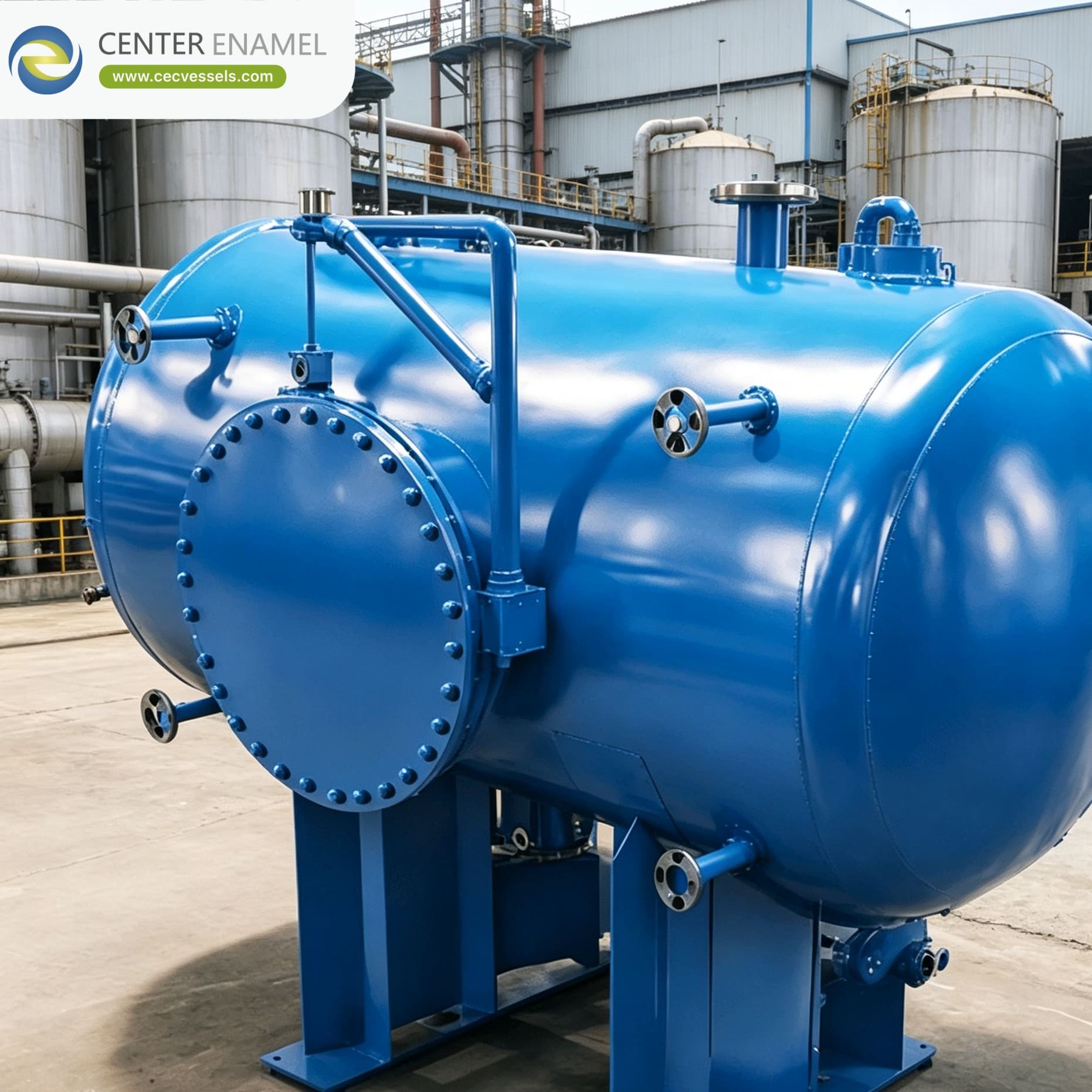
Oil and water are commonly found together in industrial processes, especially in oil and gas production. Because they have different physical properties and densities, several separation methods can be used to obtain cleaner oil and water streams. The best method depends on the fluid composition, droplet size, flow conditions, and required separation performance. Understanding Oil and Water SeparationBefore selecting a separation method, it is important to understand why oil and water can be separated. Oil and water generally have different densities and do not naturally remain as one uniform liquid. When the mixture is allowed to remain relatively still, the heavier water tends to move downward while the lighter oil moves upward. However, industrial oil and water mixtures may contain very small water droplets dispersed in oil or small oil droplets dispersed in water. These mixtures are often called emulsions. In oil and gas applications, produced fluids can contain oil, water, gas, and solids, so separation is normally carried out in stages. This means that separating oil from wateris not always a simple matter of allowing the liquids to stand. Equipment design and operating conditions play an important role in achieving effective separation. Gravity Separation: A Common Starting PointGravity separation is one of the most widely used approaches for oil-water separation. The principle is straightforward: oil and water have different densities, so gravity causes them to move at different rates. When a mixture enters a suitable separator and its velocity is reduced, water droplets can settle downward while oil moves upward. With sufficient residence time and relatively calm conditions, the two liquids can form separate layers. For many industrial systems, gravity separation provides a simple foundation because it does not require complex separation media. A properly designed oil-water separator can provide enough volume and residence time for the liquids to separate naturally. Gravity separation is especially useful when the water droplets are relatively large and the difference in density between the two liquid phases is significant. How Retention Time Supports SeparationRetention time is closely related to gravity separation. It refers to the amount of time the oil-water mixture remains inside the separation vessel before leaving. If the liquid moves too quickly through the equipment, water droplets may not have enough time to settle. Increasing the available separation volume can provide more time for droplets to move according to their density. A larger or taller vessel can therefore provide greater retention time and support the settling process. The exact vessel dimensions depend on factors such as flow rate, liquid properties, temperature, and the desired separation level. For this reason, when considering how to separate water from oil, residence time should be considered together with vessel design rather than as an independent factor. Using Heat to Improve Oil-Water SeparationTemperature can also affect the separation process. Heating an oil-water mixture can reduce the viscosity of the oil, allowing dispersed water droplets to move more easily through the continuous oil phase. As the oil becomes less viscous, water droplets can settle more readily under gravity. Heating can therefore be incorporated into systems where temperature adjustment is suitable for the process. A heater treater is one example of equipment that uses temperature as part of the separation process. According to Kimray, increasing temperature can reduce oil viscosity and help promote the release and separation of water from an oil emulsion. However, heating is not necessarily required for every application. The decision depends on the properties of the mixture and the overall process design. Coalescence for Smaller Water DropletsWhen water is finely dispersed in oil, gravity alone may require more time because small droplets settle slowly. Coalescence provides another way to improve separation. During coalescence, small water droplets come together to form larger droplets. Larger droplets have greater settling behavior under gravity, allowing them to move toward the water layer more efficiently. Industrial separation equipment may use inlet devices, plates, or mist elimination components to encourage droplets to combine. As droplets become larger, they can separate from the surrounding liquid more easily. This principle is useful when designing equipment for oil water separation oil and gas, particularly when the incoming stream contains dispersed liquid phases that need additional separation assistance. Chemical Demulsifiers and Oil-Water SeparationAnother method involves the use of chemical demulsifiers. These chemicals are designed to assist the separation of oil and water by acting at the interface between the two liquids. Demulsifiers can weaken the interfacial film around dispersed droplets, making it easier for water droplets to combine. Once larger droplets form, gravity can help them settle from the oil phase. Chemical treatment may be used together with other separation methods rather than as a standalone process. The appropriate chemical type and dosage depend on the characteristics of the particular oil-water mixture. Kimray notes that demulsifier treatment can enhance coalescence and may reduce the amount of heat or retention time needed for separation. How Do I Separate Oil from Water in Industrial Systems?For anyone asking how do i separate oil from water, the first step is to identify the characteristics of the mixture. A basic separation system may begin with gravity separation. If the mixture contains relatively large water droplets, gravity may provide a practical solution. If the droplets are smaller, additional retention time, heating, coalescence, or chemical treatment may be considered. In an oil and gas process, the separation system may also need to handle gas and suspended solids. In this situation, a properly designed separator can provide different separation zones within the same vessel. The inlet section can reduce liquid velocity and distribute the incoming mixture. The main separation area provides residence time for oil and water to move into different layers. Additional internal components may help promote droplet coalescence or remove entrained liquid. The final configuration should therefore be selected according to the process conditions rather than relying on one universal separation method. Oil-Water Separation Equipment from Center EnamelCenter Enamel provides industrial process equipment designed for liquid separation and related process applications. For oil-water separation systems, separator design can be adapted according to factors such as flow rate, liquid density, viscosity, operating temperature, and required separation performance. A well-designed separation vessel can combine several principles, including gravity separation, controlled retention time, and droplet coalescence. This integrated approach can make the separation process more consistent while allowing the equipment to suit different industrial applications. For companies looking for equipment for separating oil from water, selecting the appropriate vessel structure and internal configuration is an important part of the process design. Choosing the Right Oil-Water Separation MethodSo, what is the best separation method for oil and water? There is no single method that fits every application. Gravity separation is a common foundation because the density difference between oil and water naturally supports layer formation. Retention time can give droplets more time to settle, while heating can reduce oil viscosity and assist movement. Coalescence can help combine smaller droplets, and demulsifiers can support the separation of stable emulsions. In practice, several of these principles may be combined in one separation system. The most suitable configuration depends on the properties of the liquids, flow conditions, droplet size, temperature, and required outlet quality. Understanding these factors makes it easier to determine how to separate water from oiland select an appropriate industrial separation solution. With suitable equipment design, oil-water mixtures can be separated through a controlled combination of physical and process-based methods.
|