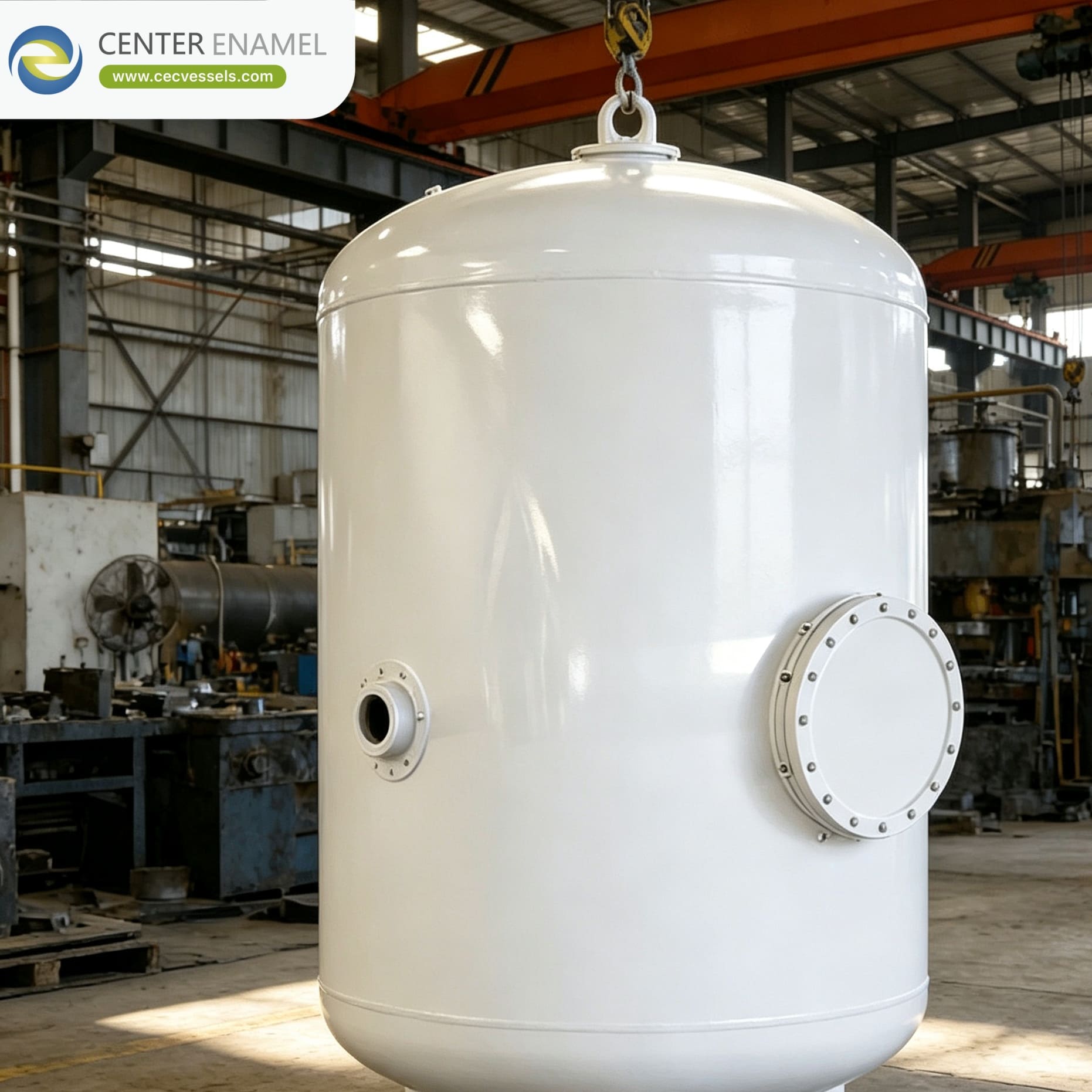
What Is the Difference Between a Reactor and a Reaction Vessel
In chemical manufacturing, the terms Reactorand Reaction Vesselare often used interchangeably. However, they can have slightly different meanings depending on the engineering context. A Reaction Vesselgenerally refers to the physical container where chemical reactions take place. A Reactoroften refers to the complete processing unit, including the vessel, agitator, heating and cooling systems, instruments, and control equipment. In simple terms, the reaction vessel is the main container, while the reactor can represent the entire reaction processing system. Both are essential in industrial chemical production, where controlled mixing and temperature management are required. What Is a Reaction Vessel?A Reaction Vesselis an industrial container designed to hold raw materials and provide an enclosed space for chemical reactions. It is commonly manufactured from stainless steel, carbon steel, glass-lined steel, or special alloys according to the chemical properties of the processed materials. The main purpose of a reaction vessel is to provide sufficient space and suitable operating conditions for materials to undergo chemical or physical transformations. Typical features include:
lVessel Body:Contains raw materials and reaction products. lHeating and Cooling Jacket:Provides a heat transfer surface for temperature regulation. lAgitator:Mixes materials to improve uniformity. lInlet and Outlet Nozzles:Allow material feeding and product discharge. lManhole:Provides access for inspection and maintenance. lTemperature Sensors:Monitor internal process conditions.
A reaction vessel can be supplied as a basic container or customized with additional components according to the production process. What Is a Reactor?A Reactoris equipment designed to carry out and control a chemical reaction under specified operating conditions. In industrial manufacturing, a reactor usually includes the reaction vessel and supporting equipment required for material mixing, temperature regulation, feeding, discharge, and process monitoring. A complete reactor system may contain:
lReaction Vessel:Provides the main space for the chemical reaction. lAgitation System:Includes a motor, gearbox, shaft, and impeller. lHeating and Cooling System:Controls the reaction temperature through jackets or internal coils. lFeeding System:Transfers raw materials into the reactor. lInstrumentation:Monitors temperature, liquid level, flow, and other process parameters. lControl System:Coordinates equipment operation and maintains the required process conditions. lDischarge System:Transfers finished products to downstream equipment.
Depending on the production requirements, reactors can be designed for batch, semi-batch, or continuous operation. Reactor vs. Reaction Vessel: What Are the Main Differences?Although these terms are closely related, their main differences involve equipment scope, function, structure, and engineering design.
The distinction is particularly useful during equipment selection, technical communication, and project planning. However, terminology varies between manufacturers and industries. In many industrial projects, a jacketed and agitated reaction vessel is also commonly called a reactor. What Are the Common Types of Reactors?Reactors can be classified according to their operating methods, internal structures, and reaction requirements. 1. Batch ReactorA Batch Reactorprocesses a fixed quantity of raw materials in one production cycle. The ingredients are charged into the vessel, mixed, and processed for a specified period. After the reaction is completed, the finished product is discharged. Batch reactors are commonly used in:
lSpecialty chemical manufacturing lPharmaceutical production lResin and polymer processing lFine chemical synthesis
They offer flexibility when manufacturers need to produce different formulations or product grades using the same equipment. 2. Continuous Stirred-Tank Reactor (CSTR)A Continuous Stirred-Tank Reactoroperates with continuous material feeding and product discharge. An agitator maintains mixing inside the vessel, while the operating system regulates flow rate, temperature, and other process parameters. CSTR equipment is commonly used in chemical production processes that require stable and continuous operation. 3. Plug Flow Reactor (PFR)A Plug Flow Reactortypically consists of a tubular structure through which reactants flow continuously. Chemical reactions take place as materials travel through the reactor. Its design is suitable for processes that require controlled residence time and continuous production. Common applications include petrochemical processing and continuous chemical synthesis. 4. Jacketed ReactorA Jacketed Reactorfeatures an external jacket surrounding the main vessel. Heating or cooling media circulate through the jacket to regulate the temperature of the materials inside. Common jacket configurations include:
lFull jacket lHalf-pipe jacket lDimple jacket lInternal heating or cooling coils Jacketed reactors are widely used in chemical, pharmaceutical, and food processing industries. What Are the Main Components of an Industrial Reactor Vessel?An industrial Reactor Vesselintegrates several mechanical and process components to support consistent production. Vessel BodyThe vessel body is the main container for reaction materials. Its capacity, diameter, height, and internal geometry are determined by the required production volume and process characteristics. Agitation SystemThe agitation system consists of a motor, gearbox, shaft, and impeller. Different agitator types are selected according to material viscosity and mixing requirements. Common options include anchor, paddle, turbine, propeller, and helical ribbon agitators. Heating and Cooling SystemThe thermal management system maintains the required reaction temperature. Steam, hot water, thermal oil, cooling water, or glycol solutions can be used as heat transfer media, depending on the process. Instrumentation and Control SystemTemperature sensors, level indicators, flow meters, and automated control devices help operators monitor the reaction process. The system can also integrate variable-frequency drives to adjust agitator speed according to production requirements. What Materials Are Used for Reactors and Reaction Vessels?Material selection is an important part of Reactor Vesseldesign because different chemicals require different levels of corrosion resistance and material compatibility.
The final material should be selected according to chemical composition, operating temperature, cleaning requirements, and applicable manufacturing standards. What Are the Industrial Applications of Reactors and Reaction Vessels?Both Reactorsand Reaction Vesselsare essential pieces of equipment in various manufacturing industries. Chemical IndustryChemical manufacturers use reactors for polymerization, esterification, neutralization, hydrogenation, crystallization, and other chemical synthesis processes. Pharmaceutical IndustryIn pharmaceutical production, reaction vessels are used for active pharmaceutical ingredient synthesis, intermediate production, and formulation processing. Stainless steel construction and suitable internal surface finishes are common equipment requirements. Food and Beverage IndustryReactors and reaction vessels support ingredient mixing, syrup preparation, liquid blending, and temperature-controlled food processing. Petrochemical IndustryIndustrial reactors are used in resin production, polymer manufacturing, chemical conversion, and other petrochemical processes. Battery Material ManufacturingIn the new energy industry, reaction vessels are used for preparing battery materials, mixing chemical ingredients, and carrying out material synthesis processes. Equipment configuration depends on the required reaction conditions and production capacity. How to Choose Between a Reactor and a Reaction Vessel?The choice depends on the actual equipment requirements and the scope of the manufacturing project. A Reaction Vesselmay be sufficient when the primary requirement is a container for holding and processing materials. A complete Reactor Systemis more appropriate when the process requires integrated mixing, heating, cooling, material feeding, and automated control. Before selecting equipment, manufacturers should evaluate the following factors:
lProcessing Capacity:Determine the required working volume and production output. lMaterial Properties:Identify chemical composition, viscosity, density, and material compatibility. lReaction Type:Define whether the process requires batch, semi-batch, or continuous operation. lTemperature Requirements:Determine the required heating and cooling range. lAgitation Requirements:Select the appropriate impeller and motor configuration. lMaterial Selection:Choose suitable construction materials according to the process. lAutomation Level:Define the required instrumentation and control functions. lSystem Integration:Consider connections with pumps, heat exchangers, separators, and downstream processing equipment.
A detailed understanding of the production process helps manufacturers select the appropriate equipment configuration. Frequently Asked Questions About Reactors and Reaction VesselsQ1: Are a reactor and a reaction vessel the same thing? They are closely related and often used interchangeably. Technically, a reaction vessel usually refers to the main container, while a reactor can describe the complete reaction processing equipment. Q2: Can a reaction vessel work without an agitator? Yes. Some reaction processes do not require mechanical agitation. However, an agitator is commonly installed when uniform mixing, material circulation, or improved heat transfer is necessary. Q3: Is every reactor a reaction vessel? In conventional chemical processing, a reactor generally contains a reaction chamber or vessel where the reaction takes place. However, reactor designs can also include tubular and other specialized configurations. Q4: What is the difference between a batch reactor and a continuous reactor? A batch reactor processes a fixed quantity of materials during each production cycle. A continuous reactor receives raw materials and discharges products continuously during operation. Q5: What is the most common material for industrial reactor vessels? Stainless steel 304 and 316L are widely used in industrial manufacturing. Other materials, including carbon steel, duplex stainless steel, and special alloys, can be selected according to process requirements. Q6: Can a reaction vessel be customized? Yes. Reaction vessels can be customized in capacity, dimensions, jacket structure, agitator type, material, nozzle arrangement, and control system to meet specific production requirements. Selecting the Right Reactor Equipment for Your Production ProcessUnderstanding the difference between a Reactorand a Reaction Vesselhelps manufacturers define equipment requirements more accurately. A reaction vessel provides the main container for processing materials, while a complete reactor system integrates additional equipment for mixing, heating, cooling, and process control. For industrial applications, the most suitable solution depends on reaction characteristics, production capacity, material compatibility, and automation requirements. Proper equipment selection and customized engineering help improve production consistency and support efficient chemical manufacturing.
|