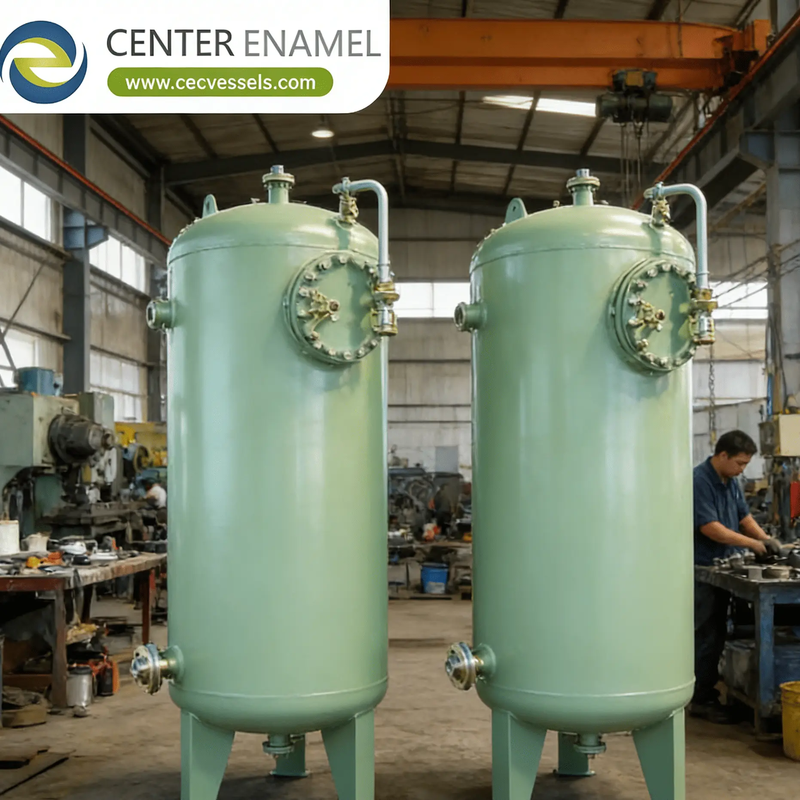
An oil-water separator is a treatment device that separates oil, water, and suspended solids from industrial wastewater by using differences in density, gravity, flow control, and, when required, coalescence. Oil-water separators are widely used in refineries, petrochemical plants, chemical facilities, manufacturing sites, and industrial wastewater treatment systems.
How Does an Oil-Water Separator Work?
An oil-water separator works by reducing wastewater velocity and creating controlled conditions that allow oil droplets to rise while heavier suspended solids settle. The separation process is mainly affected by oil and water density, oil droplet size, wastewater flow rate, temperature, and available residence time.
In a gravity oil-water separator, oil with a lower specific gravity than water moves toward the surface, while heavier solids move toward the bottom. The separated water remains between these layers and is discharged for further treatment or reuse. API-type separators commonly target relatively large free-oil droplets, with published technical references describing approximately 150 micrometers as a typical design separation range for API separators.
For example, if an industrial wastewater stream contains free oil and suspended solids, the separator can use inlet diffusers and baffles to reduce turbulence and maintain a low-velocity flow path. This gives oil droplets sufficient time to rise and solids sufficient time to settle before the treated water leaves the vessel.
What Are the Main Types of Oil-Water Separators?
Oil-water separators can be classified according to their separation mechanism, internal configuration, and application. Common types include gravity oil-water separators, API separators, coalescing oil separators, horizontal separators, and vertical separators.
Gravity Oil-Water Separator
A gravity oil-water separator uses the density difference between oil, water, and suspended solids as the primary separation mechanism. The wastewater is maintained at a controlled flow velocity so free oil can rise and heavier solids can settle.
This configuration is generally suitable for wastewater containing free-floating oil rather than oil that is fully emulsified or dissolved. EPA technical guidance similarly distinguishes free-oil separation from the removal of emulsified or dissolved contaminants.
API Oil-Water Separator
An API oil-water separator is a gravity separator designed for industrial oily wastewater, particularly in petroleum refining and related process industries. API-type separators use inlet and outlet sections, baffles, skimming equipment, and solids collection areas to separate oil and suspended solids.
Published technical references describe API separators as targeting oil droplets around 150 micrometers and larger, although actual performance depends on flow rate, droplet characteristics, wastewater properties, and separator design.
Coalescing Oil Separator
A coalescing oil separator uses internal coalescing media to combine smaller oil droplets into larger droplets. Larger droplets have a higher rise velocity under gravity, allowing them to separate from the water more readily.
Coalescing systems can use inclined plates, corrugated plates, tubes, or other media. The exact media spacing, surface area, flow rate, and oil droplet size should be selected according to the wastewater characteristics and required effluent quality.
Horizontal Oil-Water Separator
A horizontal oil-water separator provides a relatively long horizontal flow path and a large separation surface area. This configuration is commonly considered when the process requires sufficient separation area and residence time for oil droplets to rise.
Horizontal separators can be designed with multiple chambers, baffles, skimming systems, sludge collection zones, and coalescing elements depending on the required treatment performance.
Vertical Oil-Water Separator
A vertical oil-water separator uses a vertical flow arrangement to reduce the equipment footprint where available floor space is limited. The internal arrangement can include inlet distributors, baffles, separation zones, oil collection sections, and bottom sludge outlets.
The selection between vertical and horizontal configurations depends on flow rate, oil loading, available space, required separation performance, and project-specific design conditions.
What Are the Main Components of an Oil-Water Separator?
The main components of an industrial oil-water separator include the shell or tank body, inlet diffuser, baffles, separation chamber, coalescing media when required, oil skimmer, water outlet, and sludge outlet.
1. Separator Shell
The separator shell provides the primary containment structure for the wastewater and separated phases. For industrial applications, material selection can include carbon steel or stainless steel such as 304 or 316 stainless steel, depending on wastewater chemistry, chloride concentration, temperature, corrosion conditions, and design requirements.
When the separator is designed as a pressure vessel, applicable pressure-vessel design requirements must be incorporated into the shell thickness, material selection, welding, inspection, and testing. ASME BPVC Section VIII provides rules for the construction of pressure vessels, including design and fabrication requirements.
2. Inlet Diffuser
The inlet diffuser distributes incoming wastewater and reduces localized turbulence. Controlled inlet conditions are important because excessive turbulence can disturb the oil layer and reduce the effectiveness of gravity separation.
The diffuser should therefore be designed according to the required flow rate, inlet velocity, vessel geometry, and wastewater characteristics.
3. Internal Baffles
Baffles control the wastewater flow path and reduce short-circuiting inside the separator. They can also help maintain a stable separation zone by reducing turbulence and directing the wastewater through the intended treatment area.
Baffle configuration is normally determined according to flow rate, vessel dimensions, inlet arrangement, and required residence time.
4. Coalescing Media
Coalescing media increases the effective contact area available for small oil droplets to collide and combine. The resulting larger droplets can rise toward the oil collection zone more easily.
The media type, spacing, surface area, and hydraulic loading should be selected according to the target oil droplet size and wastewater composition.
5. Oil Skimmer
An oil skimmer or weir removes the oil layer collected at the upper part of the separator. The separated oil can then be transferred to an oil storage or recovery system.
Skimming capacity should be matched to the expected oil loading and operating flow rate.
6. Sludge Outlet
A sludge outlet removes suspended solids and settled contaminants from the bottom of the separator. Regular solids removal is important because excessive sludge accumulation reduces the effective separation volume and can interfere with hydraulic performance.
What Design Parameters Are Important for an Oil-Water Separator?
Oil-water separator design should be based on measurable process parameters rather than vessel volume alone. Important inputs include wastewater flow rate, peak flow rate, oil concentration, oil density, water density, oil droplet size, suspended-solids concentration, wastewater temperature, viscosity, required effluent quality, operating pressure, and residence time.
For example, an engineering specification may define the normal flow rate in m3/h, peak flow rate in m3/h, oil concentration in mg/L, target oil droplet size in micrometers, operating temperature in °C, design pressure in MPa, and vessel volume in m3.
Center Enamel currently describes its oil-water separator solutions as customizable, with available volume capacities starting above 1 m3 and pressure configurations selected according to the process requirements. The current product page also identifies carbon steel and stainless steel as material options.
What Industries Use Oil-Water Separators?
Oil-water separators are used wherever industrial wastewater contains free oil, hydrocarbons, or oil-associated suspended solids that need to be separated before downstream treatment, discharge, or recovery.
Oil Refining
Refineries generate oily wastewater from process areas, equipment drainage, storage operations, and other plant systems. API-type oil-water separators are widely associated with primary treatment of refinery wastewater.
Petrochemical and Chemical Processing
Petrochemical and chemical plants can use oil-water separators to remove free oil and hydrocarbon phases before wastewater enters additional physical, chemical, or biological treatment systems.
Manufacturing
Manufacturing facilities may generate oily wastewater from machining, equipment cleaning, process operations, and maintenance activities. Separator selection depends on the oil type, concentration, flow rate, and required discharge quality.
Food and Beverage Processing
Food and beverage wastewater can contain fats, oils, and grease rather than petroleum hydrocarbons. The separator configuration should therefore be selected according to the specific characteristics of the wastewater rather than assuming that every oil-water separator is suitable for every oil type.
Wastewater Treatment
Oil-water separators can serve as a primary or pretreatment stage before downstream technologies such as dissolved air flotation, filtration, or biological treatment. EPA guidance identifies oil/grit and oil/water separators as pretreatment systems that can remove free oil and coarse solids but are not designed to remove every dissolved or emulsified contaminant.
What Materials Are Used for Oil-Water Separators?
Carbon steel and stainless steel are common material options for industrial oil-water separators. The appropriate material depends on the wastewater chemistry, chloride concentration, operating temperature, pressure, corrosion allowance, fabrication requirements, and project service conditions.
For corrosive wastewater, stainless steel such as 304 or 316 may be considered. Carbon steel can be selected for applications where the process chemistry and corrosion-control strategy are compatible with the material.
Material selection should always be confirmed against the actual process composition and design conditions rather than based only on the separator application.
What Standards Apply to Oil-Water Separators?
The applicable standard depends on whether the separator is an atmospheric treatment tank, a process vessel, or a pressure vessel and on the destination market.
For pressure-vessel applications, ASME BPVC Section VIII provides construction rules for pressure vessels. ASME identifies Section VIII as covering pressure-vessel construction, while Section V addresses nondestructive examination and Section IX addresses welding and brazing qualifications within the relevant certification framework.
For China-market pressure vessels, GB/T 150 provides the relevant pressure-vessel standard framework. For European projects, EN 13445 is a key standard for unfired pressure vessels.
The current Center Enamel page identifies ASME BPVC, GB/T 150.1-150.4-2024, and BS EN 13445 among the standards used for its pressure-vessel solutions.
How Is an Oil-Water Separator Maintained?
Oil-water separator maintenance typically includes oil removal, sludge removal, inspection of inlet and outlet components, inspection of baffles, and cleaning or replacement of coalescing media when applicable.
For pressure-vessel applications, inspection programs may also include visual inspection, thickness measurement, and applicable nondestructive testing. The inspection interval should be determined according to the equipment design, operating conditions, applicable code, and site maintenance program.
Sludge accumulation should be controlled because excessive solids can reduce the effective separation volume. Coalescing media should also be inspected because fouling can increase hydraulic resistance and reduce separation performance.
Why Choose Center Enamel for Oil-Water Separators?
Center Enamel provides customized oil-water separator and industrial pressure-vessel solutions based on project-specific process and mechanical requirements. Current product configurations include carbon steel and stainless steel vessels, with customizable volume, pressure, temperature, dimensions, and internal components.
The engineering process can incorporate vessel geometry, fluid characteristics, flow distribution, material selection, internal components, welding, inspection, and testing. Center Enamel states that its fabrication process includes automated welding and CNC machining and that separator vessels undergo hydrostatic pressure testing and helium leak testing according to the applicable project requirements.
For a new oil-water separator project, the key information normally required for preliminary engineering includes flow rate, peak flow rate, oil concentration, oil type, oil density, oil droplet size, suspended-solids concentration, operating temperature, operating pressure, required effluent quality, material requirements, and applicable design standards.
Frequently Asked Questions About Oil-Water Separators
What is an oil-water separator?
An oil-water separator is a treatment device designed to separate oil and water by exploiting differences in density and controlled hydraulic conditions. Depending on the design, it can also remove suspended solids and use coalescing media to improve oil separation.
How does an oil-water separator work?
An oil-water separator slows wastewater flow and provides a controlled separation zone. Free oil rises because it is generally less dense than water, while heavier suspended solids settle. Baffles, diffusers, skimmers, and coalescing media can improve hydraulic control and separation performance.
What is an API oil-water separator?
An API oil-water separator is a gravity separator associated with petroleum and industrial wastewater treatment. It uses controlled flow, density differences, baffles, oil skimming, and solids collection to separate free oil and suspended solids. Published technical references commonly associate API separators with oil droplets around 150 micrometers and larger.
What is a coalescing oil separator?
A coalescing oil separator uses internal media to combine smaller oil droplets into larger droplets. The larger droplets can rise more readily under gravity, improving the removal of dispersed free oil compared with simple gravity separation.
Can an oil-water separator remove emulsified oil?
A conventional gravity separator is generally intended for free oil and is not sufficient for all emulsified or dissolved oil. EPA guidance distinguishes free-oil separation from emulsified and dissolved contaminants, which may require additional treatment technologies.
What information is required to design an oil-water separator?
Typical design inputs include flow rate in m3/h, peak flow rate, oil concentration in mg/L, oil droplet size in micrometers, oil and water density, wastewater temperature in °C, suspended-solids concentration, operating pressure in MPa, required effluent quality, vessel material, and applicable design code.
Is an oil-water separator a pressure vessel?
Not necessarily. Oil-water separators exist in multiple configurations, including atmospheric gravity separators and pressure-vessel designs. When the equipment is designed to contain pressure, the applicable pressure-vessel code and certification requirements must be considered.
What materials can be used for an oil-water separator?
Common industrial materials include carbon steel and stainless steel such as 304 and 316 stainless steel. The final material should be selected according to wastewater chemistry, corrosion conditions, temperature, pressure, and project specifications.
How often should an oil-water separator be maintained?
There is no universal maintenance interval because operating conditions vary. Maintenance frequency should be determined from oil loading, solids accumulation, flow conditions, coalescing-media fouling, inspection requirements, and the applicable equipment code or site maintenance program.
What standards can be used for oil-water separator pressure vessels?
Depending on the project and market, pressure-vessel designs may reference standards such as ASME BPVC Section VIII, GB/T 150, or EN 13445. The applicable standard should be confirmed according to equipment classification, project location, operating conditions, and client requirements.
Oil-Water Separator Manufacturer
Center Enamel provides engineered oil-water separator and industrial pressure-vessel solutions for chemical processing, petrochemical applications, wastewater treatment, manufacturing, and other industrial fluid-management systems.
To request an oil-water separator proposal, provide the required flow rate, oil concentration, oil type, droplet size, operating temperature, pressure, vessel volume, material requirements, and applicable design standard. Our engineering team can use these parameters to develop a project-specific separator configuration.


