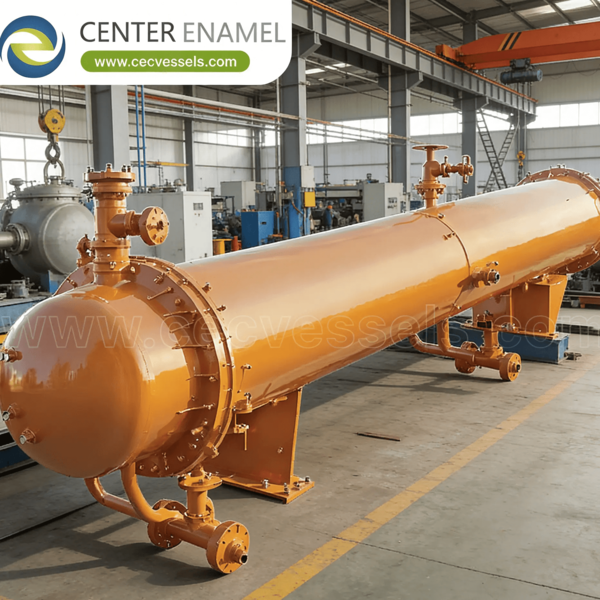
A condenser tube transfers heat from vapor to a cooling medium, allowing the vapor to condense into liquid while keeping the two fluids separated by the tube wall. Its main purposes are heat removal, condensate recovery, and efficient temperature control in industrial processes.
What Is the Main Purpose of a Condenser Tube?
The primary purpose of a condenser tube is to provide a heat transfer surface for converting vapor into liquid. During condensation, vapor releases latent heat as it changes phase. The tube wall transfers this heat to a cooling medium, such as water or another suitable fluid, enabling continuous condensation under appropriate operating conditions.
In industrial systems, condenser tubes support heat recovery, solvent recovery, process cooling, and vapor condensation. Their performance depends on heat transfer area, temperature difference, fluid flow rate, tube material, and surface condition. Engineers consider these factors when determining the required condenser capacity and selecting an appropriate tube configuration.
How Does a Condenser Tube Work?
A condenser tube working principle involves heat transfer between two fluid streams separated by a solid tube wall. In a typical shell-and-tube condenser, one fluid flows inside the tubes while the other flows through the shell. The exact arrangement depends on process requirements and equipment design.
Heat moves from the warmer vapor or process fluid through the tube wall to the cooler medium. When the vapor loses sufficient latent heat, it condenses into liquid. The cooling medium absorbs the transferred heat and carries it away from the condensation zone.
The temperature difference between the two fluid streams is an important factor in condenser performance. For example, cooling water entering at 25°C and leaving at 35°C experiences a 10°C temperature increase. These figures are illustrative operating conditions, not a guaranteed design specification. Actual performance depends on flow rate, heat duty, temperature profiles, and the thermal properties of both fluids.
What Are the Main Components of a Condenser Tube System?
A shell and tube condenser commonly includes a tube bundle, tube sheets, shell, inlet and outlet connections, and supporting components. Each part contributes to heat transfer, fluid distribution, mechanical support, or separation between the process fluid and cooling medium.
The tube bundle provides the primary heat transfer surface. Tube sheets hold the tubes in position and separate the relevant fluid spaces. The shell directs fluid around the tube bundle, while inlet and outlet connections allow process fluids and cooling media to enter and leave the equipment.
Baffles may be used in shell-and-tube designs to guide shell-side flow and support the tubes. Their spacing and configuration influence flow distribution, heat transfer, and pressure drop. The appropriate arrangement depends on the condenser geometry, fluid properties, and operating requirements.
Which Materials Are Used for Condenser Tubes?
Condenser tube material selection depends on the chemical composition of the process fluid, cooling medium, operating temperature, corrosion resistance requirements, and maintenance expectations. Common material options include stainless steel, copper alloys, and titanium, depending on the application.
304 stainless steel may be suitable for certain general industrial services where its corrosion resistance meets the process requirements. 316L stainless steel offers improved resistance to some forms of corrosion because of its molybdenum content, but it is not suitable for every chemical environment. Actual compatibility must be evaluated against fluid composition, temperature, concentration, and operating conditions.
Copper alloys may be selected for particular water-cooled heat exchange applications because of their thermal conductivity. Titanium can be considered for some demanding cooling-water environments when corrosion resistance is a key selection factor. Material selection should be confirmed through engineering review rather than relying on material grade alone.
What Factors Affect Condenser Tube Heat Transfer?
Condenser tube heat transfer depends on several interacting factors, including heat transfer surface area, temperature difference, flow velocity, tube geometry, fluid properties, and surface cleanliness. Improving one factor does not necessarily improve overall performance if another factor limits heat transfer.
A larger effective heat transfer area can support greater condensation capacity when other operating conditions remain comparable. Tube length, outside diameter, wall thickness, and tube count all influence the available surface area and overall equipment dimensions.
Flow velocity affects fluid-side heat transfer and friction losses. Excessive or insufficient velocity may influence the balance between heat transfer, energy consumption, and equipment operating requirements. Engineers therefore evaluate flow conditions together with the allowable pressure drop and fluid characteristics.
Fouling creates an additional thermal resistance between the process fluid and cooling medium. Deposits may reduce heat transfer performance and increase cleaning requirements. Appropriate water treatment, inspection schedules, and cleaning procedures help maintain condenser operation.
Where Are Condenser Tubes Used?
Industrial condenser tubes are used in chemical processing, petroleum refining, solvent recovery, pharmaceutical manufacturing, power generation, and other applications involving vapor condensation or heat removal.
In chemical plants, condenser tubes can recover liquid products from process vapors and support temperature control in reaction and separation systems. In solvent recovery units, they help convert solvent vapor into reusable liquid, supporting material recovery and process efficiency.
In distillation systems, condenser tubes cool overhead vapor to produce liquid distillate or provide reflux for the separation process. In utility systems, condensers remove heat from steam or other working fluids as part of the overall thermal cycle.
The required tube material, surface area, and configuration vary according to the process fluid, condensation load, cooling medium, and required outlet temperature. Equipment selection should therefore begin with a defined process duty rather than a generic equipment size.
How Do You Select a Condenser Tube?
Selecting a suitable industrial condenser tube requires a clear understanding of the process conditions and performance targets. Engineers typically review the following factors before finalizing the equipment design.
First, identify the vapor composition, condensation temperature, inlet flow rate, and expected condensate production rate. These values establish the basic process duty and help determine the required heat transfer capacity.
Second, define the cooling medium, including its inlet temperature, available flow rate, and permitted outlet temperature. For example, a cooling-water system operating between 25°C and 35°C has a 10°C water-side temperature rise. The actual cooling requirement must be calculated from the process heat load and fluid properties.
Third, select a tube material based on chemical compatibility, corrosion resistance, thermal requirements, and applicable design conditions. Engineers should also consider tube diameter, length, wall thickness, tube arrangement, and the available installation space.
Finally, evaluate maintenance access, cleaning methods, inspection requirements, and applicable engineering standards. A properly selected condenser tube system should match the required thermal duty while remaining compatible with the wider process equipment and plant operating conditions.
How Can Condenser Tubes Be Maintained?
Condenser tube maintenance helps preserve heat transfer performance and equipment reliability. Common maintenance activities include inspecting tube surfaces, checking for leaks, monitoring cooling-water quality, and evaluating changes in operating temperatures and flow rates.
A gradual reduction in heat transfer performance may indicate fouling, scaling, reduced flow, or changes in process conditions. Comparing operating data against the established baseline helps maintenance teams identify when further inspection is appropriate.
Cleaning methods should be selected according to the tube material, deposit type, and equipment design. Mechanical cleaning or compatible chemical cleaning may be appropriate in different applications. Maintenance procedures should follow the equipment manufacturer's recommendations and the plant's established operating requirements.
How Does Center Enamel Support Industrial Condenser Projects?
Center Enamel provides industrial equipment solutions for process applications that require reliable heat transfer, fluid handling, and equipment integration. Condenser-related project requirements should be evaluated according to the process medium, operating temperatures, required thermal duty, material compatibility, and installation conditions.
When planning an industrial condenser project, buyers should prepare process flow information, vapor and cooling-medium specifications, required inlet and outlet temperatures, expected flow rates, and relevant material requirements. These details help equipment suppliers assess the application and identify an appropriate engineering approach.
Frequently Asked Questions About Condenser Tubes
What Is the Main Function of a Condenser Tube?
The main function of a condenser tube is to transfer heat from vapor to a cooling medium so the vapor can condense into liquid. The tube wall also keeps the two fluid streams separated.
How Does a Condenser Tube Transfer Heat?
A condenser tube transfers heat through the tube wall by thermal conduction, while convection transfers heat between the wall and the fluids on either side. During condensation, vapor releases latent heat as it changes into liquid.
Which Materials Are Commonly Used for Condenser Tubes?
Common options include 304 stainless steel, 316L stainless steel, copper alloys, and titanium. The appropriate material depends on fluid chemistry, temperature, corrosion resistance, and project requirements.
What Factors Determine Condenser Tube Size?
Condenser tube sizing depends on heat duty, vapor flow rate, condensation conditions, cooling-medium temperature, heat transfer coefficients, allowable pressure drop, and available installation space.
What Is the Difference Between a Condenser Tube and a Heat Exchanger Tube?
A heat exchanger tube is a general term for a tube that transfers heat between fluids. A condenser tube is used in a condensation application where vapor releases heat and changes into liquid.
How Can Condenser Tube Efficiency Be Improved?
Performance may be improved by maintaining clean heat transfer surfaces, ensuring appropriate fluid flow, selecting compatible materials, and designing sufficient heat transfer area for the required operating conditions.
What Information Is Needed to Specify an Industrial Condenser?
Important information includes process fluid composition, vapor flow rate, condensation temperature, cooling-medium conditions, required condensate output, material requirements, and installation constraints.


