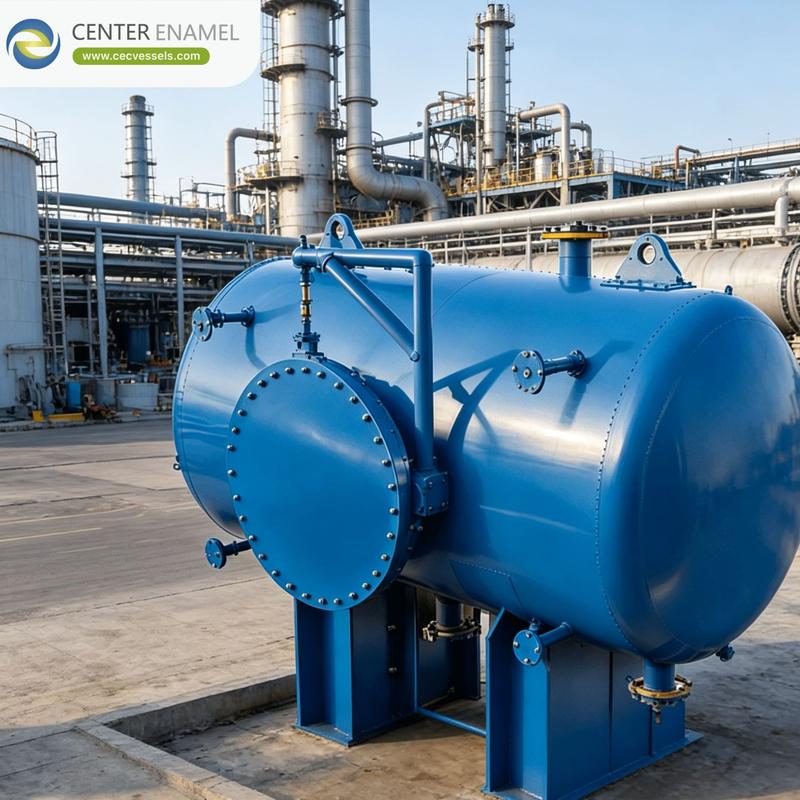
Thermal processes in an oil refinery use controlled heat transfer to change crude oil temperature, separate petroleum components by boiling point, or provide the heat required for chemical conversion. Common examples include crude oil preheating, furnace heating, distillation, heat exchange, and vapor condensation. Equipment and operating conditions depend on the refining unit and the purpose of each process.
What Does Thermal Processing Mean in an Oil Refinery?
Thermal processing in an oil refinery refers broadly to refinery operations that use heat to condition feedstocks, separate components, or support chemical reactions. Heat may be supplied by fired heaters, transferred from another process stream through a heat exchanger, or released or absorbed during a process reaction.
Thermal processing is not a single refining method. It includes several distinct operations with different objectives. Crude oil preheating prepares feed for distillation, furnace heating raises the feed to a specified temperature, distillation separates components according to their volatility, and thermal conversion processes use heat to change hydrocarbon molecules chemically.
Understanding these distinctions helps engineers select appropriate equipment and establish the required temperature, pressure, flow rate, and heat-transfer capacity for each refining unit.
What Are the Main Types of Thermal Processes in an Oil Refinery?
Oil refinery thermal processes include feed preheating, furnace heating, distillation, heat recovery, condensation, and selected chemical conversion processes. Each operation performs a different function within the refinery production sequence.
1. Crude Oil Preheating
Crude oil preheating raises the temperature of incoming crude oil before it enters the main distillation heating system. Refineries commonly use heat exchangers to recover heat from hot process streams and transfer that energy to the incoming feed.
This heat recovery arrangement reduces the amount of additional fuel required by the fired heater under suitable operating conditions. The required preheating temperature depends on crude oil properties, exchanger performance, process configuration, and downstream unit requirements.
A crude preheating train may contain several shell-and-tube heat exchangers connected in series. Engineers evaluate exchanger duty, pressure drop, fouling behavior, and temperature approach when designing or optimizing the system.
2. Furnace Heating
Furnace heating in an oil refinery uses a fired heater to raise process streams to the temperatures required by downstream operations. Fuel combustion releases thermal energy, which passes through the heater's radiant and convection sections to the process fluid flowing through tubes.
In a crude distillation unit, the fired heater raises the preheated crude to the temperature needed for the subsequent flash and separation process. The exact outlet temperature depends on crude composition, operating pressure, heater design, and the requirements of the distillation column.
Fired heater performance depends on heat-transfer surface area, combustion conditions, process flow, tube condition, and heat recovery. Temperature monitoring and suitable control systems help maintain the required operating range.
3. Crude Oil Distillation
Crude oil distillation separates crude oil into fractions according to differences in volatility and boiling behavior. The heated feed enters a distillation column, where vapor-liquid contact and temperature gradients allow lighter components to concentrate in the upper sections and heavier components to remain toward the lower sections.
Typical products and intermediate streams include refinery gas, naphtha, kerosene-range material, gas oil, and atmospheric residue. Actual product cuts depend on crude composition and column operating conditions.
Distillation is primarily a physical separation process rather than a chemical conversion process. Heat provides the energy needed to vaporize part of the feed, while the column's internal trays or packing support contact between rising vapor and descending liquid.
4. Vacuum Distillation Heating
Vacuum distillation heating prepares atmospheric residue for separation under reduced pressure. Lowering the operating pressure reduces the boiling temperatures required for vaporization, helping separate additional fractions without relying solely on higher temperatures.
The feed is heated before entering the vacuum distillation column, where vapor-liquid separation produces lighter vacuum distillates and heavier residue streams. The specific product distribution depends on the feed properties and unit design.
Vacuum distillation combines thermal conditioning with physical separation. It is distinct from thermal cracking, which intentionally changes hydrocarbon molecules through chemical reactions.
5. Thermal Cracking and Other Heat-Driven Conversion
Thermal cracking uses heat under specified operating conditions to break larger hydrocarbon molecules into smaller molecules. Unlike ordinary distillation, thermal cracking is a chemical conversion process rather than simply a separation based on boiling point.
Examples of heat-driven conversion technologies include visbreaking and delayed coking. Visbreaking reduces the viscosity of selected heavy refinery streams, while delayed coking converts suitable heavy residual feedstocks into lighter products and petroleum coke.
These processes require specialized reactor or heater arrangements, controlled residence time, and operating conditions designed for the intended conversion. They should not be treated as interchangeable with crude preheating or distillation.
6. Heat Recovery and Process Heat Integration
Refinery heat recovery transfers energy from hot process streams to colder streams that require heating. Heat exchangers allow these streams to exchange thermal energy without necessarily mixing with each other.
For example, hot products leaving a distillation unit may preheat incoming crude oil before the crude enters a fired heater. The recovered heat reduces the external heating duty required to reach the target feed temperature.
Heat integration depends on stream temperatures, heat capacity, flow rates, fouling characteristics, exchanger configuration, and minimum allowable temperature differences. A well-designed heat recovery network balances energy savings with operating flexibility and maintainability.
7. Vapor Condensation
Vapor condensation in an oil refinery removes heat from vapor streams so that part or all of the vapor changes into liquid. Condensers commonly use cooling water, air, or another suitable cooling medium to transfer heat away from the process stream.
In a distillation system, overhead vapor may be cooled in a condenser to produce liquid for collection, reflux, or downstream processing. The required condenser duty depends on vapor flow rate, composition, inlet condition, condensation pressure, and outlet temperature.
Condensation is a heat-transfer and phase-change operation. It often supports distillation and product recovery, but it is not the same as the chemical reactions that may occur in other refinery units.
Which Equipment Is Used in Refinery Heat Transfer?
Oil refinery heat-transfer equipment moves thermal energy between process fluids or supplies heat directly to a process stream. The main equipment types include shell-and-tube heat exchangers, fired heaters, condensers, reboilers, and selected air-cooled exchangers.
Shell-and-Tube Heat Exchangers
A shell-and-tube heat exchanger transfers heat between two fluid streams through a tube wall. One stream flows through the tubes while the other flows through the shell-side space, subject to the exchanger's configuration.
These exchangers are widely used in crude preheating, product cooling, process heat recovery, and other refinery services. Design considerations include heat-transfer duty, pressure drop, materials, fouling tendency, tube layout, and cleaning requirements.
Fired Heaters
A refinery fired heater supplies heat through fuel combustion. Process fluid flows through heater tubes while thermal energy transfers from combustion gases to the tube surfaces and then into the fluid.
Fired heaters are commonly used before crude distillation, vacuum distillation, and selected conversion processes. Their design depends on the required process duty, fuel properties, feed characteristics, tube materials, and operating conditions.
Condensers
A refinery condenser removes latent heat and, where required, sensible heat from a vapor stream. The vapor condenses as energy passes to the cooling medium.
Condensers are used in distillation overhead systems, vapor recovery arrangements, and other process services requiring vapor-to-liquid conversion. Their sizing depends on the vapor composition, flow rate, condensation conditions, cooling-medium properties, and required outlet state.
Reboilers
A reboiler supplies heat to the lower section of a distillation column, generating vapor that rises through the column and supports vapor-liquid separation. Depending on the design, heat may be supplied by steam or another hot process stream.
Reboiler duty affects vapor traffic, column separation performance, and energy consumption. The selection depends on process requirements, fluid properties, available heating media, and the column's hydraulic operating range.
Air-Cooled Heat Exchangers
An air-cooled heat exchanger removes heat from a process stream by transferring it to ambient air, typically using finned tubes and fans. It can be used for refinery product cooling and other services where air cooling is appropriate.
Its performance depends on ambient temperature, airflow, finned surface area, process-fluid properties, and the required outlet temperature. Air-cooled equipment may reduce cooling-water demand, although its suitability varies with climate and process conditions.
How Do Heat Exchangers and Condensers Support Refining?
Heat exchangers and condensers support oil refining by recovering energy, adjusting process temperatures, and changing vapor streams into liquids when required. They contribute to the thermal balance of refinery units without performing the same function as a fired heater or a chemical conversion reactor.
A heat exchanger can transfer energy from a hot product stream to incoming crude oil, reducing the external heating duty. A condenser removes heat from overhead vapor, allowing the vapor to condense for reflux, product recovery, or further treatment.
The two equipment types have different primary objectives. A heat exchanger is a general device for transferring thermal energy between streams, while a condenser is designed specifically for a service involving vapor condensation, although condensers are themselves a type of heat exchanger.
Equipment performance depends on heat-transfer area, overall heat-transfer coefficient, stream flow rates, temperature differences, pressure drop, and fouling behavior. Engineers use process calculations to determine the required duty and evaluate the operating range.
What Is the Difference Between Thermal Processing and Distillation?
Thermal processing is a broad term for operations that use heat to condition, separate, or chemically convert process materials. Distillation is a specific physical separation process that uses differences in volatility to separate components through vapor-liquid equilibrium.
Crude preheating and furnace heating prepare the feed for distillation, while the distillation column performs the separation. Thermal cracking, by contrast, changes hydrocarbon molecules through heat-driven chemical reactions.
This distinction matters when selecting equipment. Heat exchangers and fired heaters provide or transfer thermal energy, distillation columns separate components, and conversion units are designed for particular chemical reactions.
What Factors Affect Thermal Process Efficiency in an Oil Refinery?
Refinery thermal process efficiency depends on how effectively energy is transferred, recovered, and used to meet the required process conditions. The main factors include stream temperatures, flow rates, equipment surface area, fluid properties, fouling, insulation, and process control.
1. Heat-Transfer Area and Temperature Difference
Heat-transfer area and temperature difference determine how much energy can pass between process streams under given conditions. Equipment must provide sufficient surface area and a suitable temperature driving force to achieve the required thermal duty.
A smaller temperature difference may require more heat-transfer area, while the available area is constrained by equipment dimensions, materials, and installation requirements.
2. Fouling and Fluid Properties
Heat exchanger fouling occurs when unwanted deposits accumulate on heat-transfer surfaces. Deposits can add thermal resistance, reduce heat-transfer performance, and increase pressure drop.
Crude composition, suspended solids, fluid temperature, flow conditions, and surface characteristics influence fouling behavior. Equipment design and maintenance planning should account for the properties of the actual process streams.
3. Heat Recovery and Energy Integration
Heat recovery in refineries reduces the need for external heating by transferring energy from hot streams to colder streams. The achievable recovery depends on stream temperatures, flow rates, heat capacity, process constraints, and the configuration of the heat exchanger network.
Engineers evaluate the balance between recovered heat, pressure drop, operating flexibility, and fouling behavior when optimizing heat integration.
4. Insulation and Heat Loss
Thermal insulation reduces unwanted heat loss from equipment and piping to the surrounding environment. Proper insulation can help maintain process temperatures and reduce energy demand, particularly in hot process services.
Insulation requirements depend on surface temperature, ambient conditions, material properties, equipment geometry, and applicable site standards.
5. Operating Conditions and Process Control
Process temperature and flow control help maintain the thermal conditions required for stable refinery operation. Variations in feed composition, flow rate, heating-medium supply, or cooling-medium temperature can affect equipment duty and downstream separation performance.
Instrumentation and control systems monitor relevant temperatures, pressures, flow rates, and other process variables. The control strategy should reflect the design limits and operating requirements of the individual refinery unit.
What Is the Role of Thermal Processing in Different Refinery Units?
Thermal processing across refinery units provides the heating, cooling, vaporization, and condensation required for different stages of petroleum processing. The exact function depends on whether the unit is designed for physical separation, product conditioning, or chemical conversion.
Crude distillation unit: Uses crude preheating, fired heating, vaporization, and fractionation to separate crude oil into different boiling-range streams.
Vacuum distillation unit: Heats atmospheric residue and separates additional fractions under reduced pressure.
Visbreaking unit: Applies controlled thermal conversion to reduce the viscosity of selected heavy refinery streams.
Delayed coking unit: Uses heat and controlled residence conditions to convert suitable heavy residual feedstocks into lighter products and petroleum coke.
Product recovery systems: Use heat exchangers and condensers to cool streams, recover liquids, and support downstream processing.
Process heat recovery networks: Transfer energy between hot and cold streams to reduce external heating and cooling requirements.
These applications demonstrate that refinery thermal processing includes both physical operations and selected chemical conversion processes. The process objective determines the equipment arrangement and operating conditions.
Frequently Asked Questions About Thermal Processes in Oil Refineries
1. What Is a Thermal Process in an Oil Refinery?
A thermal process in an oil refinery uses heat to change the temperature or phase of a petroleum stream, separate components, or support chemical conversion. Examples include crude preheating, furnace heating, distillation, condensation, and thermal cracking.
2. What Is the Difference Between Thermal Processing and Thermal Cracking?
Thermal processing is a broad category covering heat-related operations, including heating, heat exchange, distillation, and conversion. Thermal cracking is a specific chemical conversion process in which heat causes larger hydrocarbon molecules to break into smaller molecules.
3. Why Is Crude Oil Heated Before Distillation?
Crude oil is heated before distillation to provide the thermal energy needed for partial vaporization and subsequent separation in the distillation column. Preheating often recovers energy from hot process streams, while a fired heater supplies the additional heat required by the unit.
4. What Is the Function of a Heat Exchanger in an Oil Refinery?
A refinery heat exchanger transfers thermal energy between process streams or between a process stream and a heating or cooling medium. It is used for feed preheating, product cooling, heat recovery, and temperature adjustment.
5. What Is the Function of a Condenser in a Refinery?
A refinery condenser removes heat from vapor to produce liquid. It is commonly used in distillation overhead systems and other process applications requiring condensation and liquid recovery.
6. How Does Vacuum Distillation Use Thermal Energy?
Vacuum distillation heats the feed and separates components at reduced pressure, allowing vaporization at lower temperatures than would be required at higher pressure for comparable boiling behavior. This supports the recovery of additional fractions from atmospheric residue.
7. How Can Refineries Improve Thermal Efficiency?
Refinery thermal efficiency can be improved through heat recovery, appropriate heat exchanger design, control of fouling, suitable insulation, and effective process temperature control. The available improvements depend on the unit configuration, stream properties, and operating requirements.
8. Which Equipment Is Used in Refinery Thermal Processes?
Common refinery thermal process equipment includes shell-and-tube heat exchangers, fired heaters, condensers, reboilers, air-cooled heat exchangers, and distillation columns. Thermal conversion units use additional specialized equipment according to their process requirements.
Understanding Thermal Processes in Oil Refining
Thermal processes in oil refining provide the energy transfer, heating, vaporization, condensation, and selected chemical conversion required throughout a refinery. Crude preheating and heat recovery improve energy utilization, fired heaters supply process heat, distillation separates components by volatility, and thermal cracking changes hydrocarbon molecules.
For refinery operators and equipment buyers, identifying the specific process objective is the first step in selecting suitable equipment. Feed properties, flow rates, required temperatures, pressure conditions, heat-transfer duty, and downstream requirements establish the basis for equipment design and process integration.


